The Story
Why it exists.
The beginning
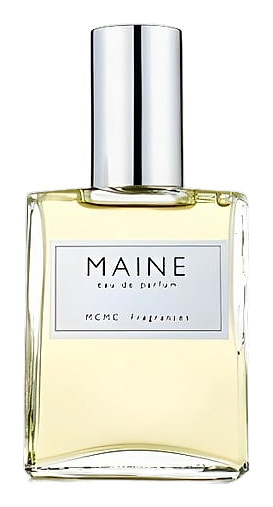
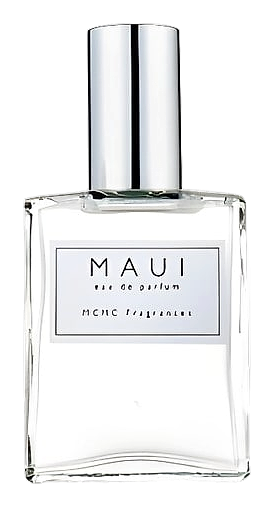
Maui is one of MCMC's earliest works, released in 2009. The fragrance was named for the Hawaiian island where ancient traditions mingle with modern surf culture. It belongs to MCMC's Stories Collection, a grouping that brings together individual fragrances under a shared conceptual umbrella. Each scent in the line carries its own character and its own sense of place. Maui is the one that reaches toward the Pacific, a composition built around tropical warmth and the kind of floral presence that feels both lush and restrained. From the moment it was introduced, it offered something different from the typical tropical genre: a scent that pulls its weight from green bamboo, sea water, and white florals rather than the heavier, sweeter notes that often dominate that territory.
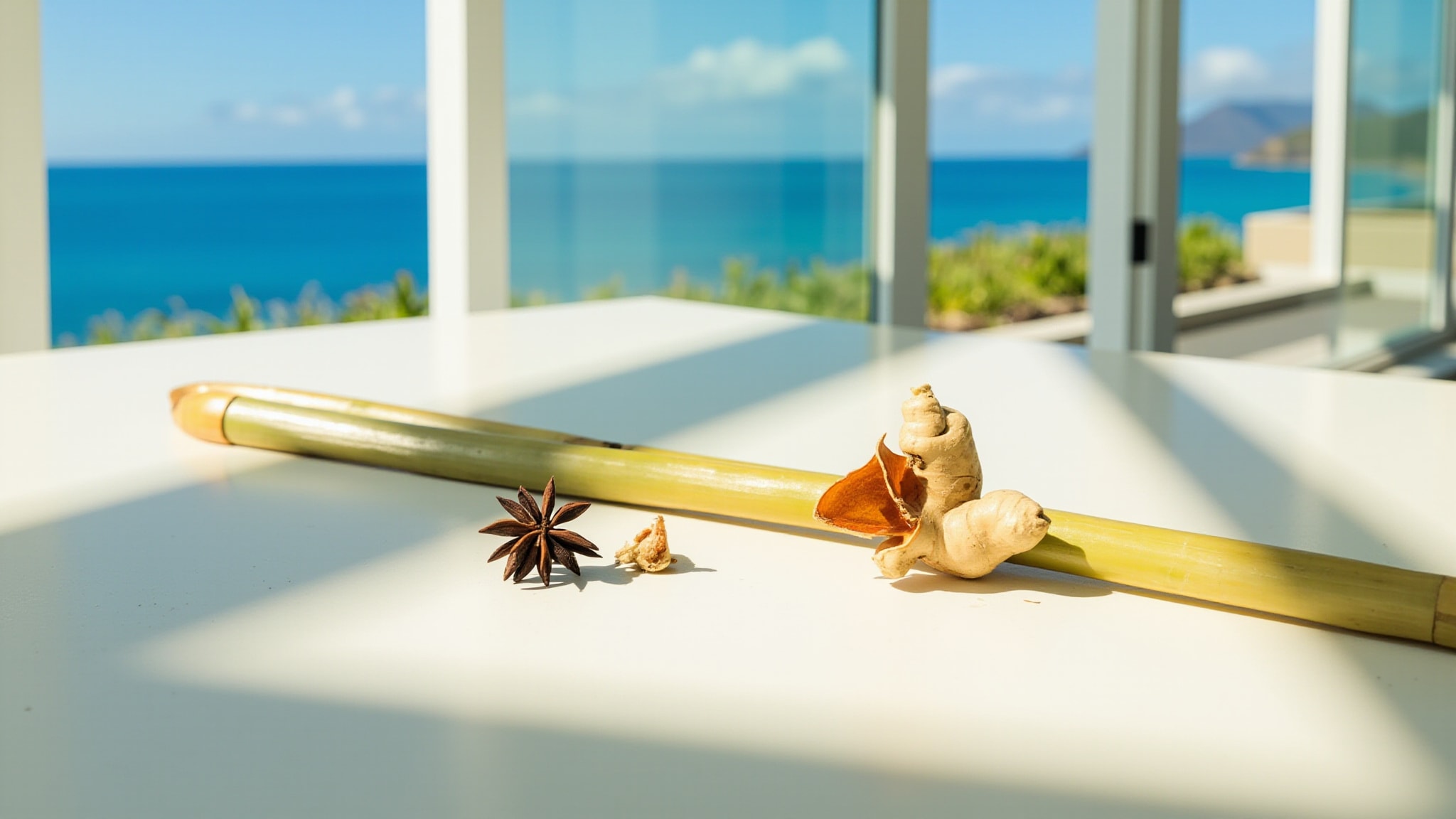
The composition makes an unusual choice for a tropical-themed floral. Rather than leaning on coconut, pineapple, or the heavier white florals that dominate the genre, it builds around frangipani, tuberose, and green bamboo, with star anise and ginger opening the door. The ginger here reads as young and fresh, paired with the licorice snap of star anise to create an opening that feels both spicy and clean, with a brightness that cuts through any tropical heaviness before it can settle in. Star anise arrives first with that sweet-liquorice snap, followed quickly by ginger's sappy warmth.
The evolution
Maui opens with a kick. Star anise leads first, that sweet-liquorice snap arriving before the ginger has fully formed, and for the first ten or fifteen minutes the fragrance reads almost culinary. Then the green bamboo shows up and shifts the temperature, cooling the composition down and pulling it away from the spice rack toward something greener and more aquatic. The florals arrive in stages. Frangipani comes first, slightly waxy and sun-warmed, then tuberose, which is the bolder of the two, creamy with just enough of its carnal edge to keep things interesting. The interplay between these two white florals creates the composition's central tension: frangipani's smooth, almost soapy warmth set against tuberose's fuller, more indolic presence. As the hours pass, the composition settles into its true character.
Cultural impact
Maui occupies an unusual niche in the tropical-floral category, distinguished by its restraint where many tropical fragrances lean on sweetness. The composition centers on bamboo, sea water, and a ginger-anise opening that reads more botanical than beachy, offering a different take on what a tropical scent can be. Rather than loading up on coconut, vanilla, or the heavier white florals that often dominate the genre, Maui pulls its weight from greener, more aquatic elements, with frangipani and tuberose providing floral warmth without syrup.