
The Story
Why it exists.
The beginning
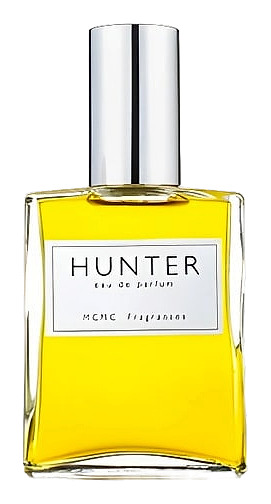
Anne McClain named Hunter after a childhood friend, someone she built maple sugar cabins with in Vermont. The name is literal. The memory is specific. A particular stretch of cold nights, green forest, shared work, and the particular warmth of being known by someone. She translated that feeling into a bottle: Balsam Fir, Tobacco Absolute, Bourbon Vanilla. Not as a concept. As a place she actually lived in.
What makes Hunter unusual is the structure. Most vanilla fragrances lean soft. Most conifer fragrances lean sharp. Hunter does neither, it holds the two notes in tension, letting the Balsam Fir open green and alive while the Bourbon Vanilla lingers underneath like heat rising from wood. The Tobacco Absolute isn't smokey in the typical sense. It's aromatic, dark, and grounding, the thing that keeps the fir from being too bright and the vanilla from being too sweet. Three ingredients. Nothing decorative. The brand's natural perfumery background shows: this doesn't smell assembled. It smells grown.
The evolution
The opening hits green and bright, Balsam Fir arriving like cold air off a forest. It cuts. It stings slightly. Then the tobacco arrives, maybe 20 minutes in, pushing the fir toward something warmer, darker, more aromatic. Not smokey. Herbaceous. The vanilla doesn't announce itself so much as settle, it was there the whole time, underneath, gradually taking over as the fir recedes and the tobacco softens. By hour three, it's vanilla and tobacco close to the skin, intimate and warm. The longevity is genuinely good, 8 to 10 hours on most skin, more than enough for a full day and into the night.
Cultural impact
Hunter earned a loyal following in the indie fragrance community for its honest, understated character, the kind of scent that earns its reputation through wear rather than marketing. The 2009 launch places it squarely in the era when indie perfumery began building its audience outside mainstream channels. It remains in production.