
The Story
Why it exists.
The beginning
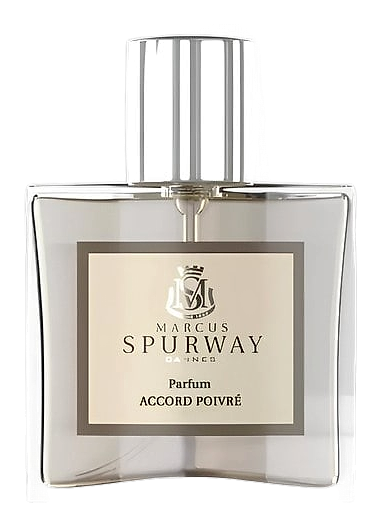
There is a quiet confidence in the way this composition sets its terms. It doesn't shout for attention, and it doesn't beg for approval either. Instead, it offers something rarer in men's fragrance: a sense of architecture, of materials placed with intention and left to speak for themselves. The perfumer behind it has clearly studied which raw materials carry conviction and which collapse under the weight of trend cycles, and the result here reads as the product of that education rather than any desire to chase novelty. Seduction without spectacle is the operative phrase, and the juice lives up to it. Urban, not pastoral. Spiced, not aggressive.
The chestnut accord is the structural decision that defines everything else in the composition. In fragrance, chestnut carries a warmth that reads as almost edible, a sweetness that sits in the space between marzipan and roasted nut rather than anywhere near crystalline sugar. Paired with vanilla and amberwood at the base, the accord reshapes the fougère skeleton into something with gourmand leanings, though it stops short of crossing into pastry territory or dessert imitation.
The evolution
The opening belongs to a bright, almost fizzy exchange between pink pepper and cardamom, with mint cutting through like a blade of cold air. There is a clarity to the top notes that feels deliberate, each element introduced cleanly before the next arrives, and the transition into the heart phase happens with a smoothness that suggests careful calibration. Lavender makes its entrance and the composition settles into a recognizable aromatic register, clean and herbal, with sage and melon softening the sharper edges and lending a subtle fruitiness to the middle. That aromatic core holds its shape with a steady, approachable quality, neither too sharp nor too soft, occupying a middle ground that feels built for daily rotation rather than special occasion. Then the base begins to surface.
Cultural impact
Accord Poivré sits at a particular intersection within contemporary fragrance: the territory where spiced fougères and aromatic gourmands overlap, drawing on the structural conventions of one and the material warmth of the other. The use of chestnut as a base element is a choice with deep roots in older perfumery traditions, where roasted nut accords served as anchors for winter compositions and added an edible, almost gourmand character to otherwise classic structures.
The House
Marcus SpurwayMarcus Spurway is a French perfume house whose lineage stretches back to the early nineteenth century. Today the brand releases contemporary collections that reference its historic roots while speaking in a modern olfactory language. Its 2024 lineup—Tonka Obscure, Héros, Amande Noire, Mandarine Épices, Iris Impérial, Néroli Suprême, Ambre Blanc, Mandarine Ylang, Orchidée de Nuit and Pomme Vétiver—shows a commitment to both classic ingredients and daring compositions.
The Creator
Marcus SpurwaySpecific notes and techniques are not documented in the available research, so it would be premature to assign Spurway a fixed signature. Still, the company’s combined focus on perfumery, cosmetics, and home fragrance suggests an interest in scent that works across textures an…