The Story
Why it exists.
The beginning
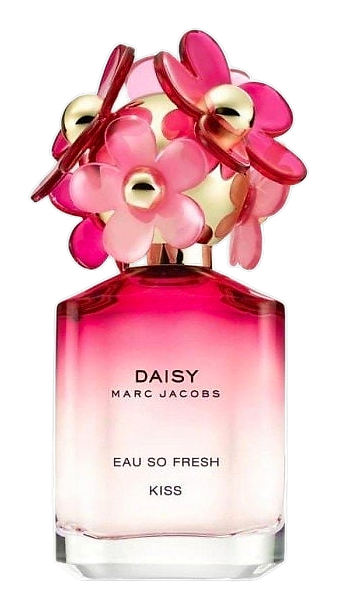
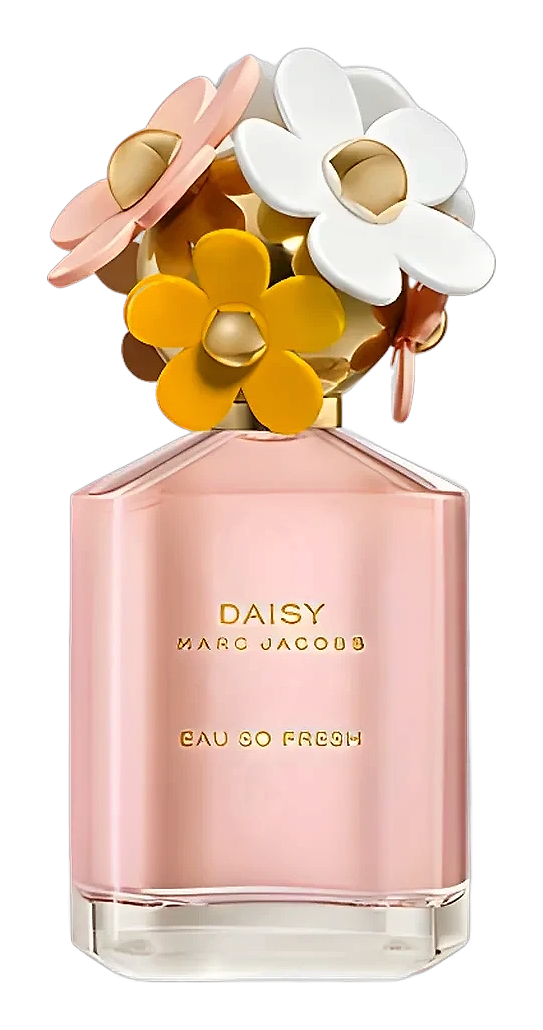
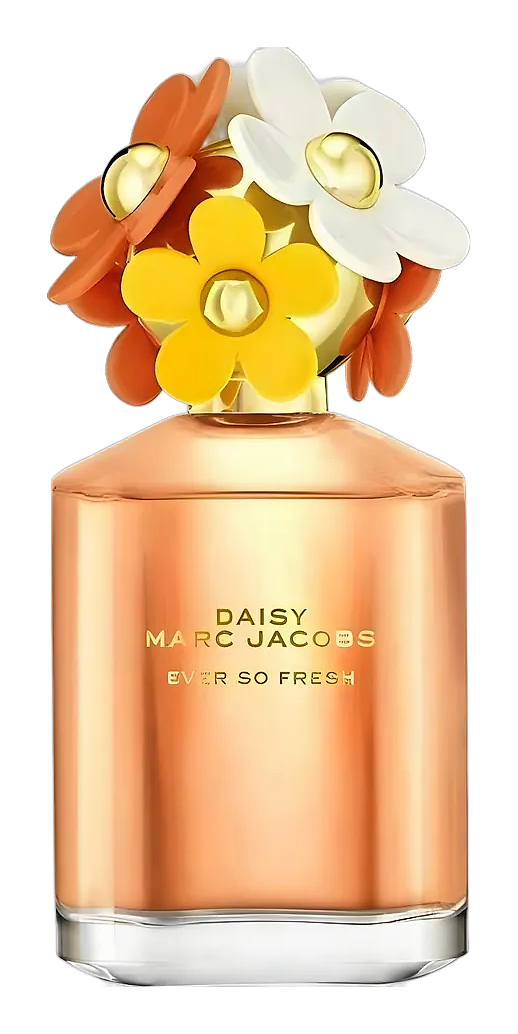
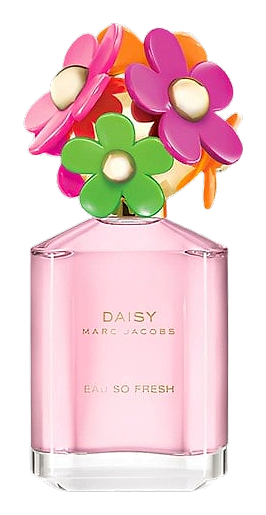
Daisy Eau So Fresh Sunshine arrived in 2012 as part of the Sunshine Edition, a limited collection that dressed Marc Jacobs' most beloved fragrances in the season's brightest colors. The original Daisy Eau So Fresh had already established itself as the playful, fruity-floral counterpoint to the original Daisy. This edition pushed further, amplifying the fruity notes until they became the defining feature. Harry Frémont, the nose behind the fragrance, built it around a more pronounced strawberry note, joined by pink grapefruit and apple blossom, before settling into a softer floral heart. It was designed for someone who wanted the Daisy spirit but with more energy, more sun, more fruit.
The strawberry note here is worth pausing on. It's big and juicy, not the synthetic candy strawberry of cheaper fragrances, but something rounder, almost sun-warmed. Paired with pink grapefruit, it creates a tart-sweet opening that doesn't apologize for itself. The apple blossom bridges the top and heart, keeping the transition smooth. Violet leaf in the heart adds a green, slightly cool note that stops the florals from becoming too soft. Oakmoss in the base gives it structure, a quiet earthiness that keeps the fruit from floating away entirely.
The evolution
The opening hits fast, strawberry and pink grapefruit, bright and tart. The grapefruit sparkle doesn't last long, maybe twenty minutes, but it sets the tone. Strawberry carries through the heart, stronger than you'd expect, almost holding the composition together. Rose and jasmine arrive quietly, soft and traditional, before violet leaf adds a cool green counterpoint. The drydown is where oakmoss and amber take over, a warm, slightly woody finish that lingers close to the skin. Moderate sillage throughout. On most skin, expect three to four hours before it fades to a whisper. The next morning, a faint trace of amber and oakmoss on the wrist.
Cultural impact
Daisy Eau So Fresh Sunshine sits within the broader Daisy family but pushes further into fruit. It's a limited edition that amplifies what made the original work, bright, sunny, feminine without being precious. Wearers describe it as the scent of someone who chooses joy over formality. The strawberry-grapefruit opening has a tartness that cuts through the sweetness, making it more interesting than a standard fruity fragrance. Spring and summer are its natural seasons.
The House
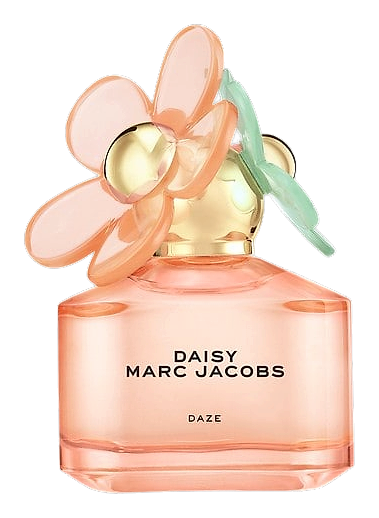
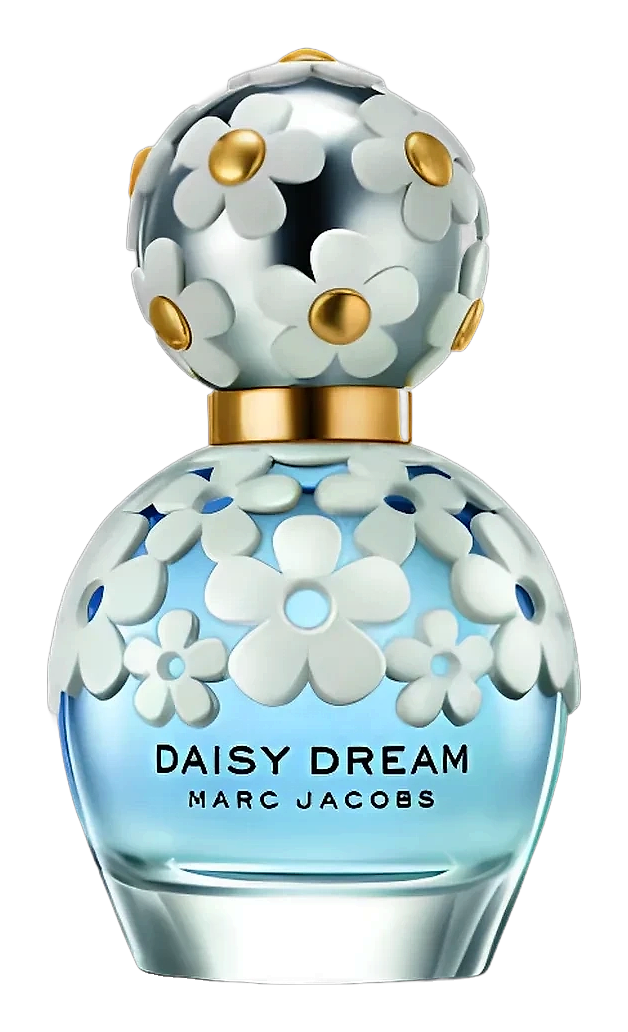
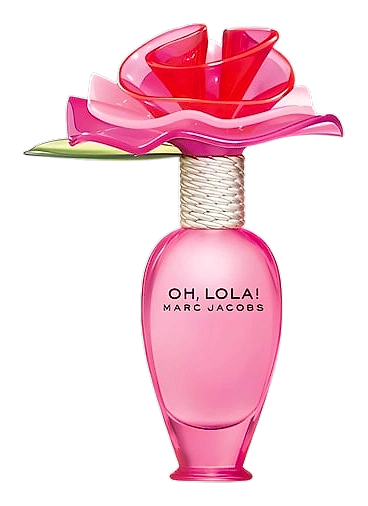
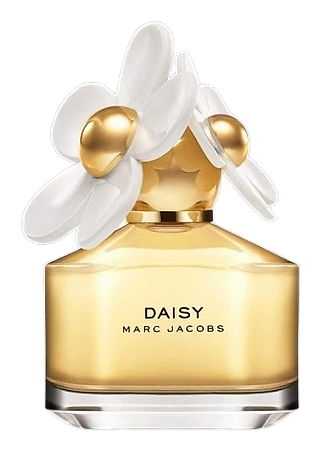
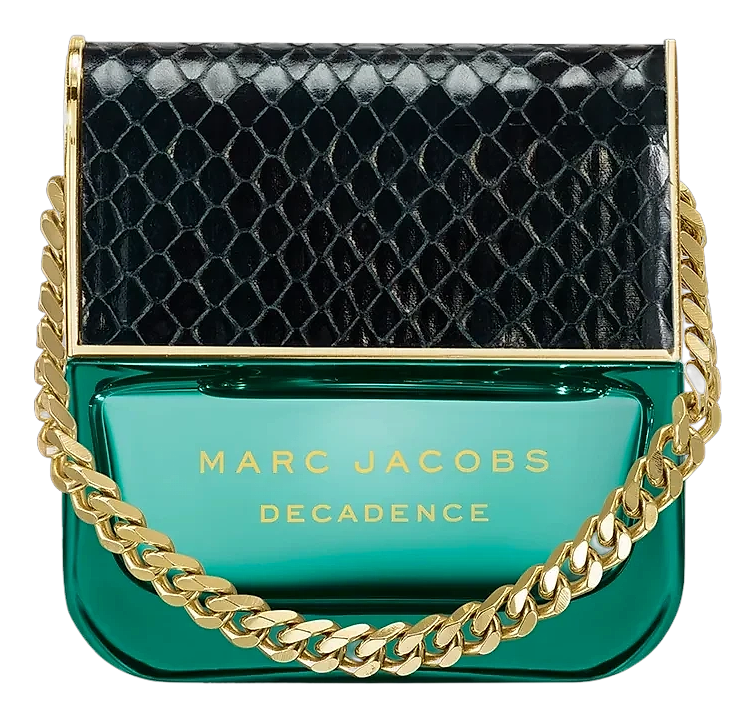
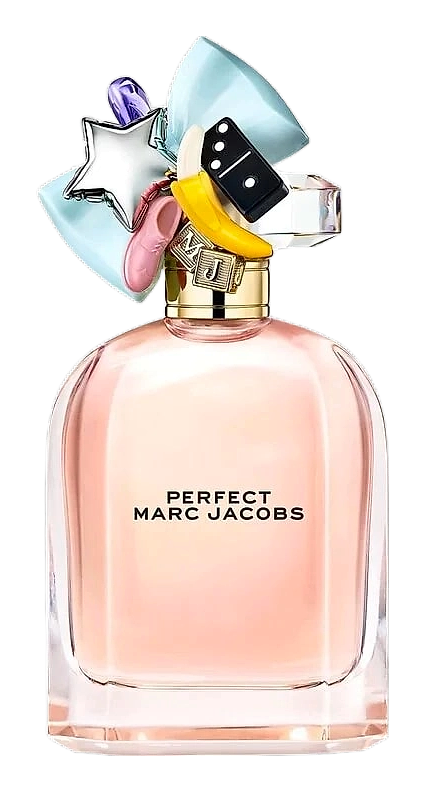
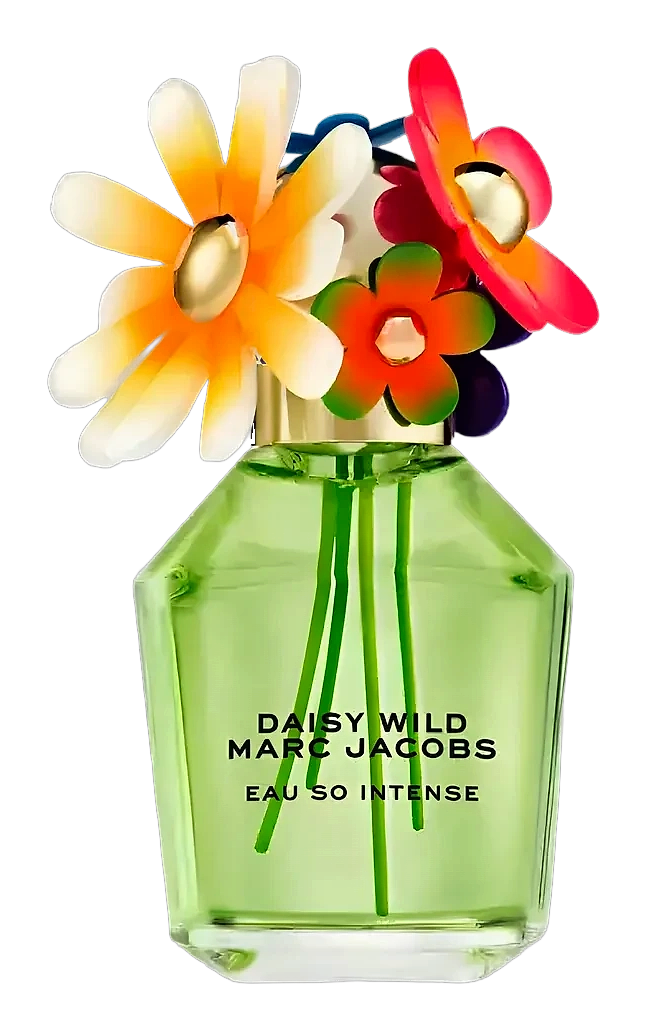
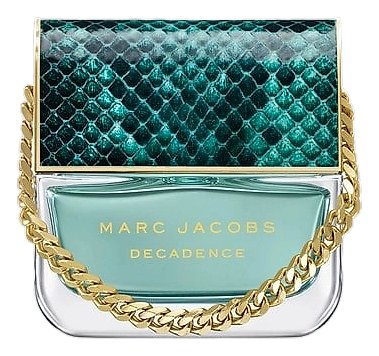
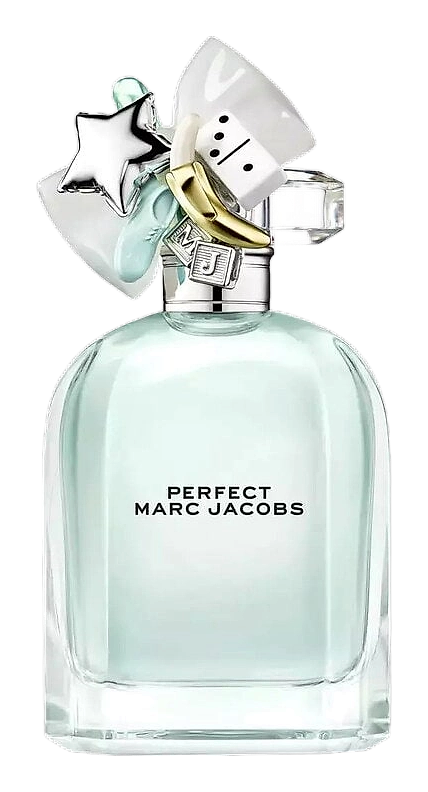
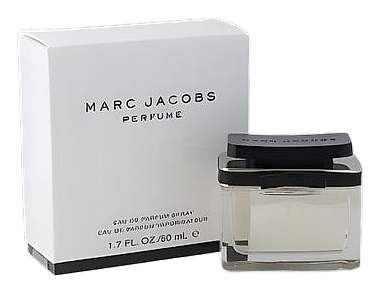
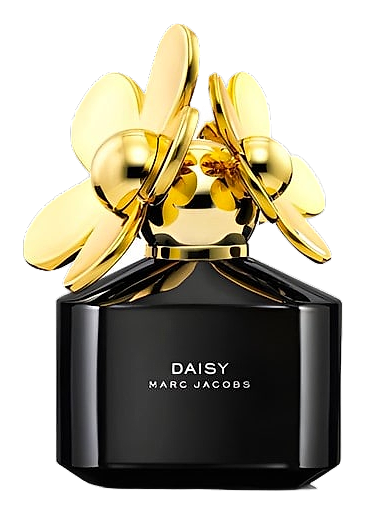
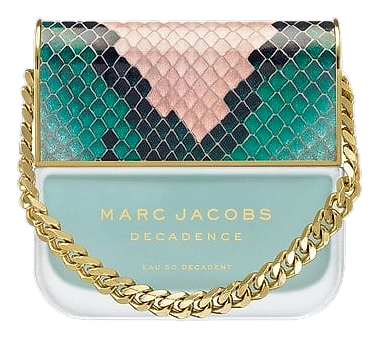
Marc JacobsMarc Jacobs fragrances, produced under license by Coty, launched in 2001 with Marc Jacobs for Women, followed by a companion men's scent in 2002. The brand has since built an extensive portfolio of fragrances anchored by signature lines including Daisy (2007), Lola (2009), Decadence (2015), and Perfect (2020). Daisy, named after Daisy Buchanan from F. Scott Fitzgerald's The Great Gatsby, quickly became a defining success for the brand, spawning numerous flankers and variations across multiple collections. The line's visual identity, with its oversized daisy cap atop a clean bottle, became one of the most recognizable silhouettes in contemporary perfumery. Decadence introduced a handbag-shaped bottle on a gold tasselled chain, a notably unconventional vessel for fragrance at the time of its launch. The brand has collaborated with a broad roster of perfumers over the years, including Annie Buzantian, Ann Gottlieb, Steve DeMercado, Loc Dong, Alberto Morillas, and Calice Becker, among many others. Marc Jacobs fragrances are available at major department stores worldwide and online.
The Creator
Harry FrémontFrémont's style resists easy categorization. He works fluently across woody, floral, amber, and leather territories, with an especially strong command of vetiver and musks that has become something of a signature.