The Story
Why it exists.
The beginning
Steve DeMercado designed Blush in 2004 as an olfactive poem dedicated to jasmine, the star jasmine that dominates the composition. Where other fragrances treat jasmine as a supporting player or mask it behind heavier bases, DeMercado built outward from it: bergamot and citrus to lift the top, multiple white flowers to amplify the heart, and a cosy cashmere wood base to ground it all without weighing it down. The result is a fragrance that takes its name seriously, a blush-pink femininity that doesn't apologize for being floral.
What makes Blush unusual is the banana note. It's subtle, more of a tropical whisper than a full tropical burst, but it does something interesting to the jasmine: it keeps it from going soapy or vintage. The combination of jasmine and banana reads as fresh, almost green, like jasmine petals crushed with their stems rather than sitting in a perfumed abstract. Then the honeysuckle and tuberose arrive to deepen the floral heart, and the star anise adds a faint aniseed lift that most wearers never consciously notice but which keeps the whole thing from going flat.
The evolution
The opening announces jasmine immediately, bright, clean, almost bracing. Bergamot and a whisper of banana soften the entry without diluting it. Within the first hour, the honeysuckle and orange blossom arrive to deepen the floral heart, and the composition becomes less about the initial brightness and more about a continuous white floral presence. The drydown is where cashmere wood and musk take over, creating a powdery warmth that stays close to the skin. On most skin types, the full arc runs six to eight hours, with the jasmine still detectable in the drydown phase if you're paying attention.
Cultural impact
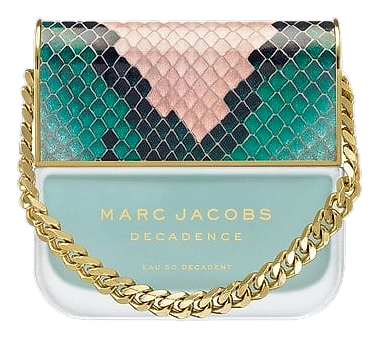
Blush occupies a specific corner of the Marc Jacobs portfolio: not the statement fragrance of Daisy, not the maximalist presence of Decadence, but something quieter and more personal. Wearers describe it as the scent of someone who walks into a room and doesn't need to announce themselves, clean, ultra-feminine, and inoffensive in the best sense. It found its audience among people who wanted jasmine without the indolic intensity of traditional white floral fragrances.
The House
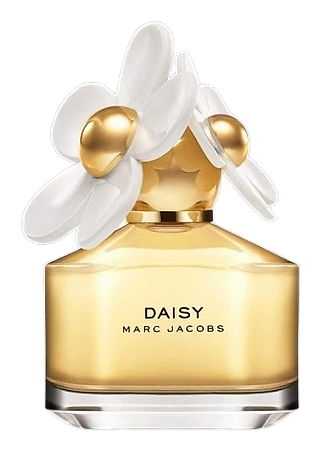
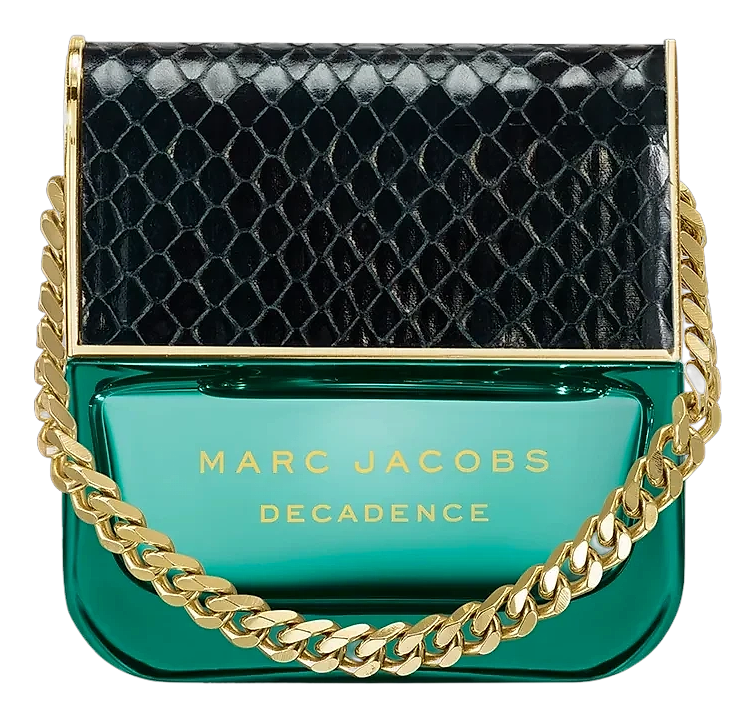
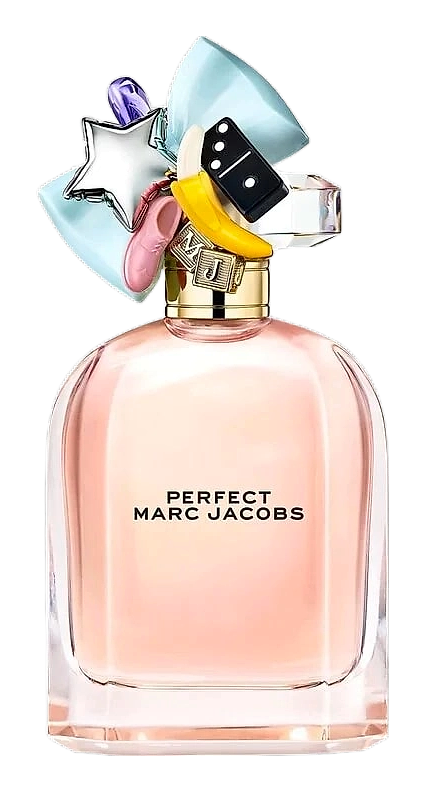
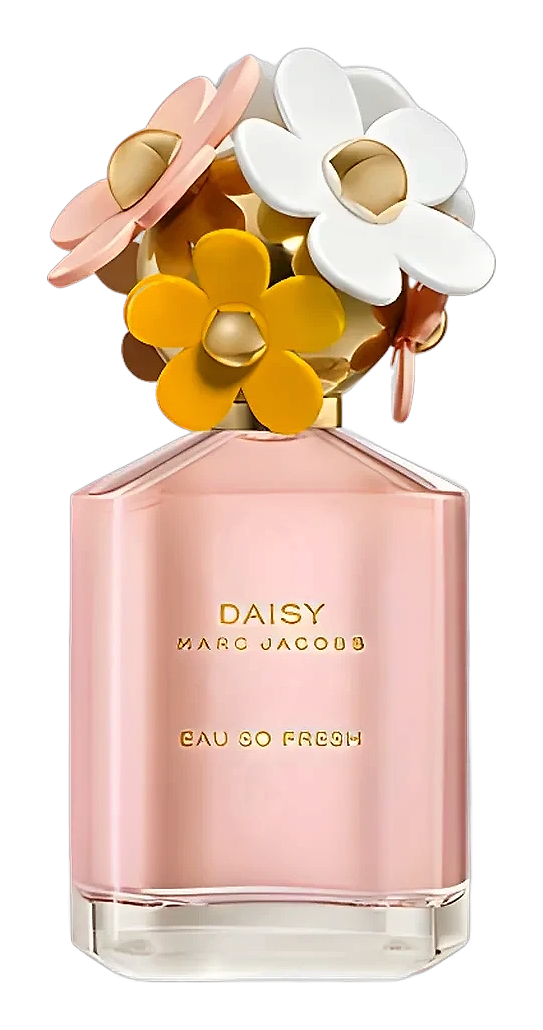
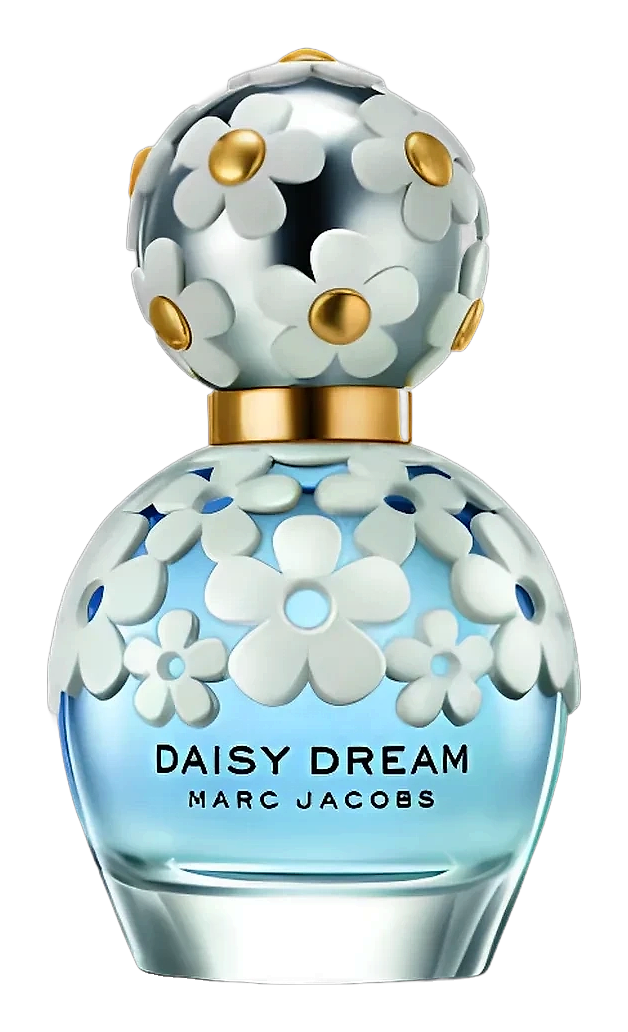
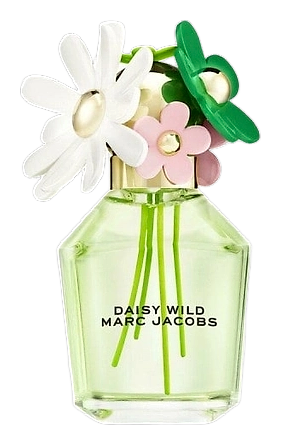
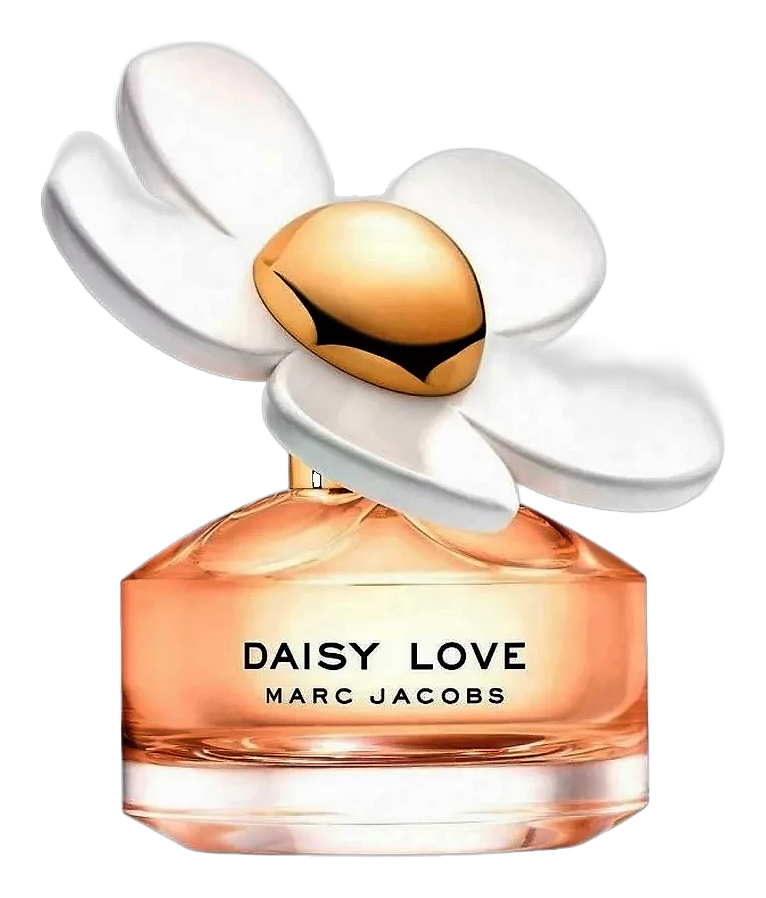
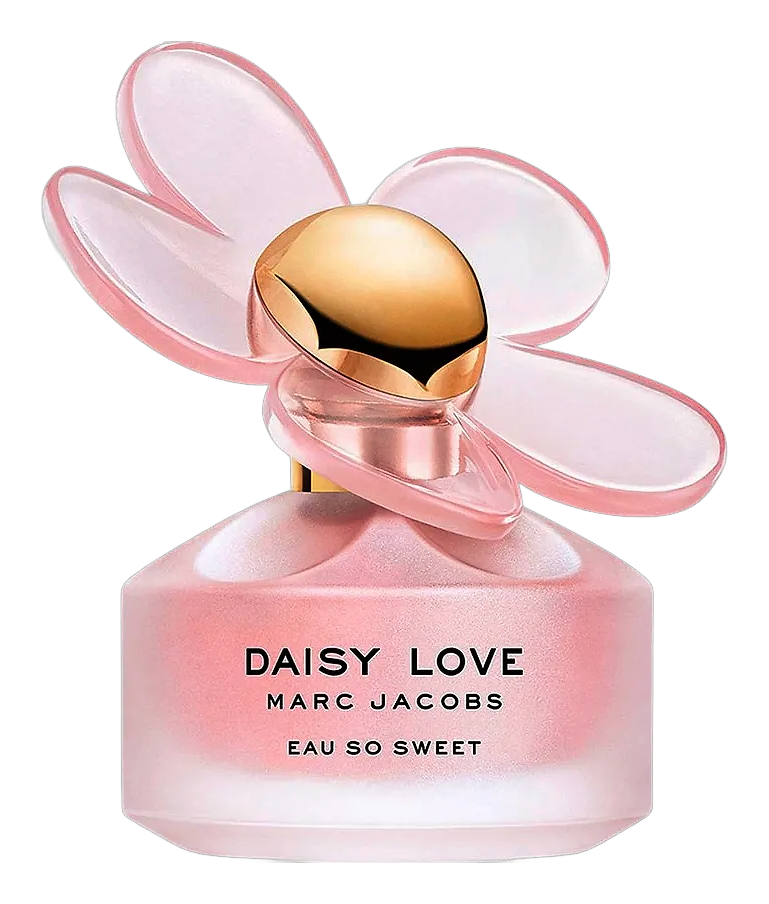
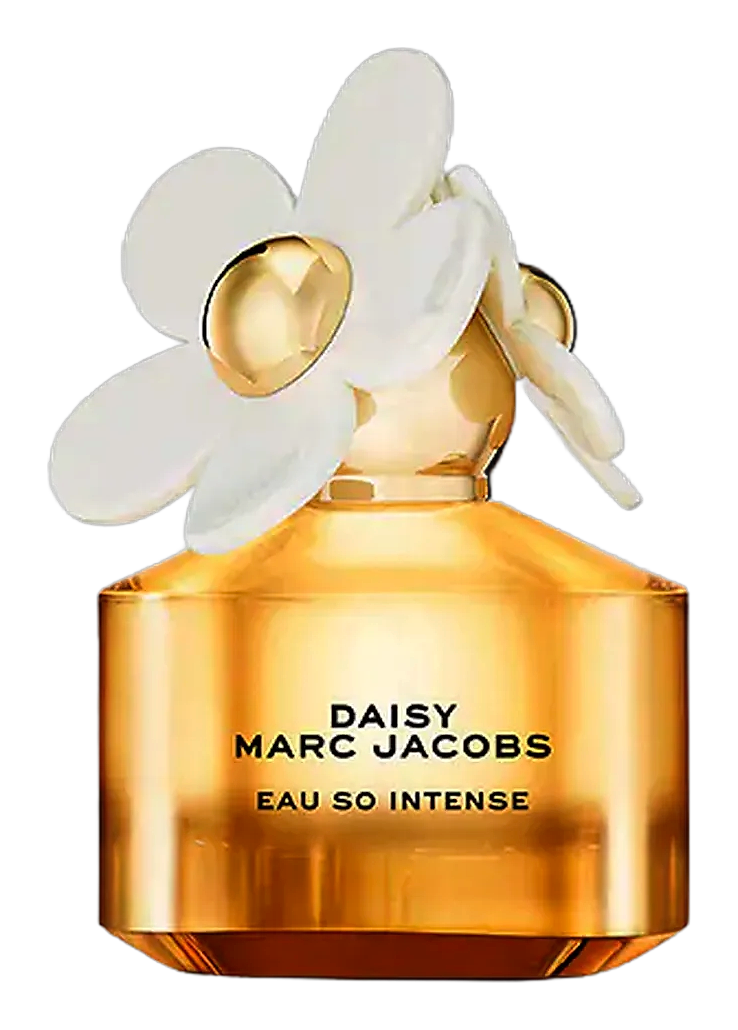
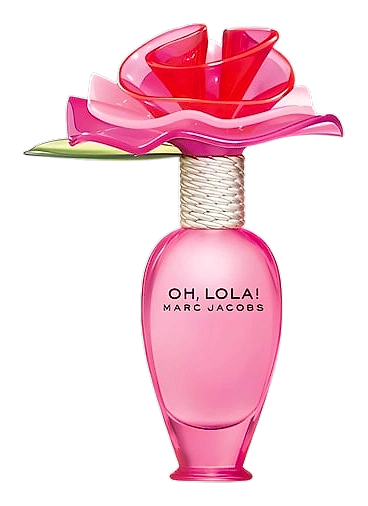
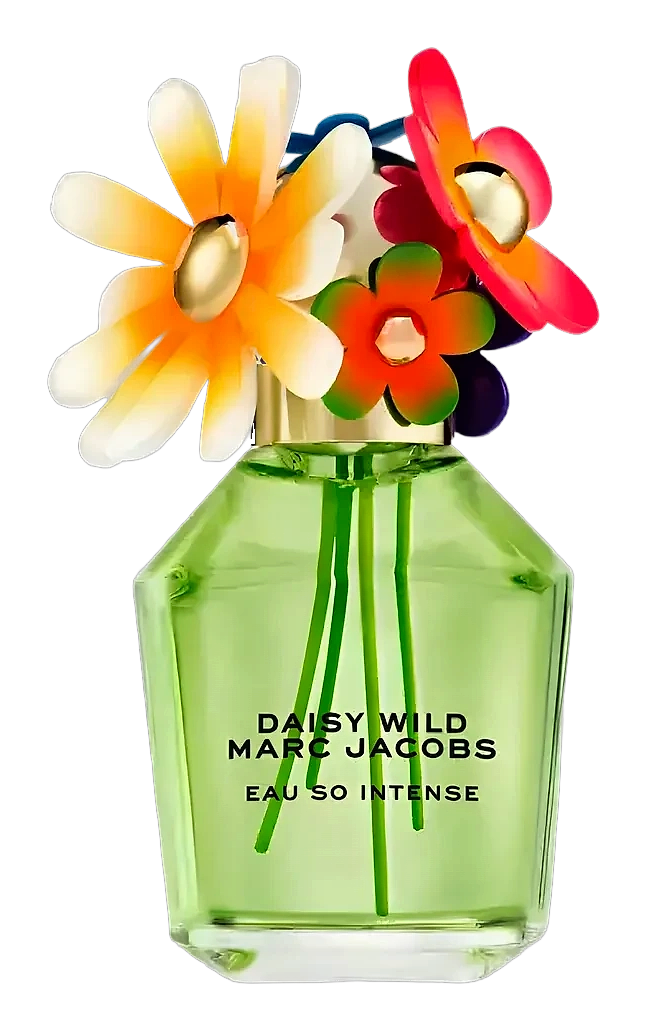
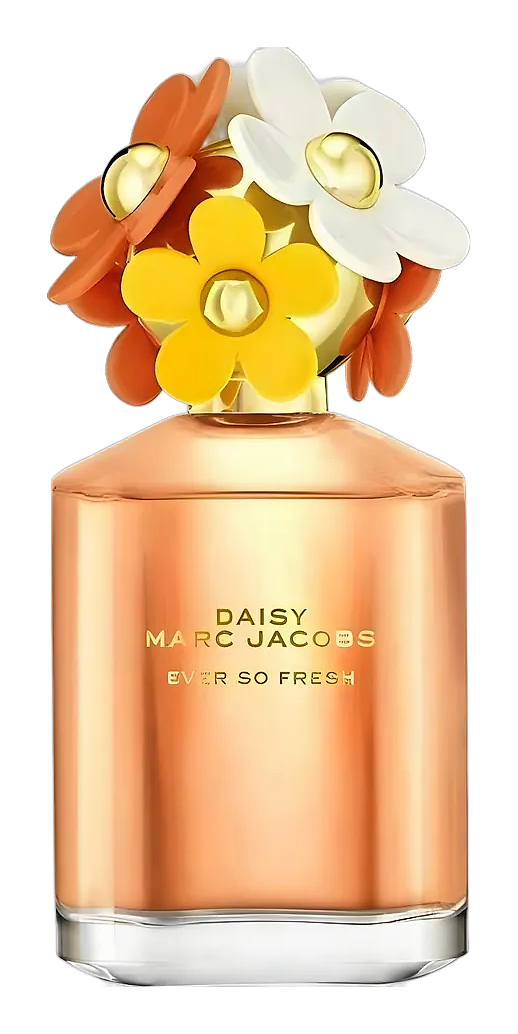
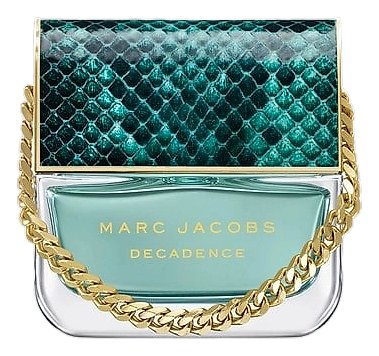
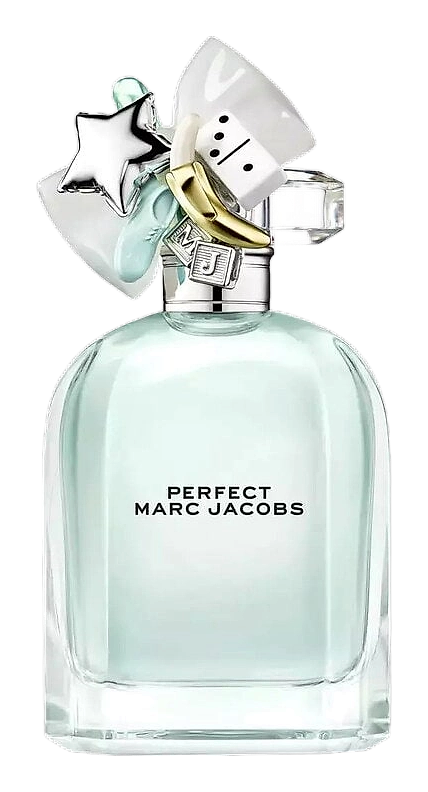
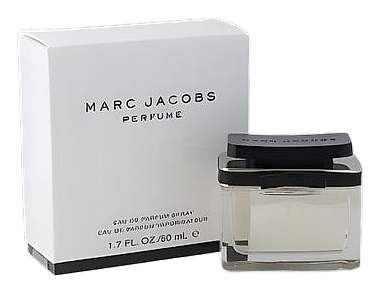
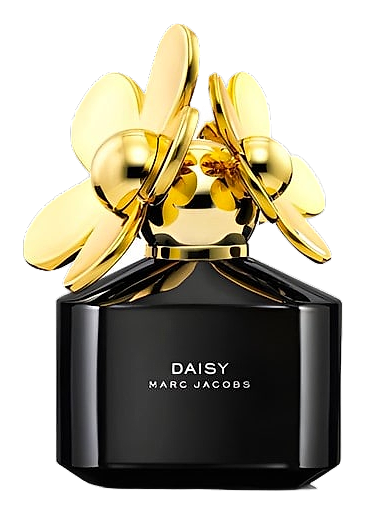
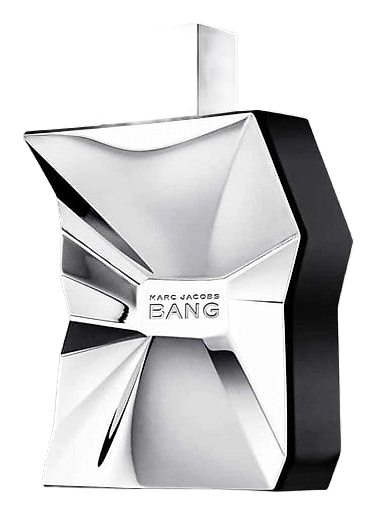
Marc JacobsMarc Jacobs fragrances, produced under license by Coty, launched in 2001 with Marc Jacobs for Women, followed by a companion men's scent in 2002. The brand has since built an extensive portfolio of fragrances anchored by signature lines including Daisy (2007), Lola (2009), Decadence (2015), and Perfect (2020). Daisy, named after Daisy Buchanan from F. Scott Fitzgerald's The Great Gatsby, quickly became a defining success for the brand, spawning numerous flankers and variations across multiple collections. The line's visual identity, with its oversized daisy cap atop a clean bottle, became one of the most recognizable silhouettes in contemporary perfumery. Decadence introduced a handbag-shaped bottle on a gold tasselled chain, a notably unconventional vessel for fragrance at the time of its launch. The brand has collaborated with a broad roster of perfumers over the years, including Annie Buzantian, Ann Gottlieb, Steve DeMercado, Loc Dong, Alberto Morillas, and Calice Becker, among many others. Marc Jacobs fragrances are available at major department stores worldwide and online.
The Creator
Steve DeMercadoSteve favors a clean, linear structure that highlights a dominant theme while supporting it with subtle accents. He often starts with a strong heart—rose, jasmine, or a citrus burst—and builds a supportive base of woods, amber, or musk that adds depth without overwhelming the…