The Story
Why it exists.
The beginning
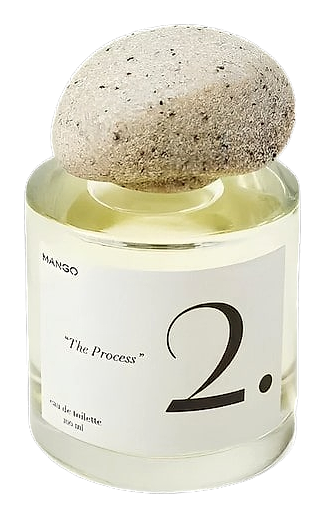
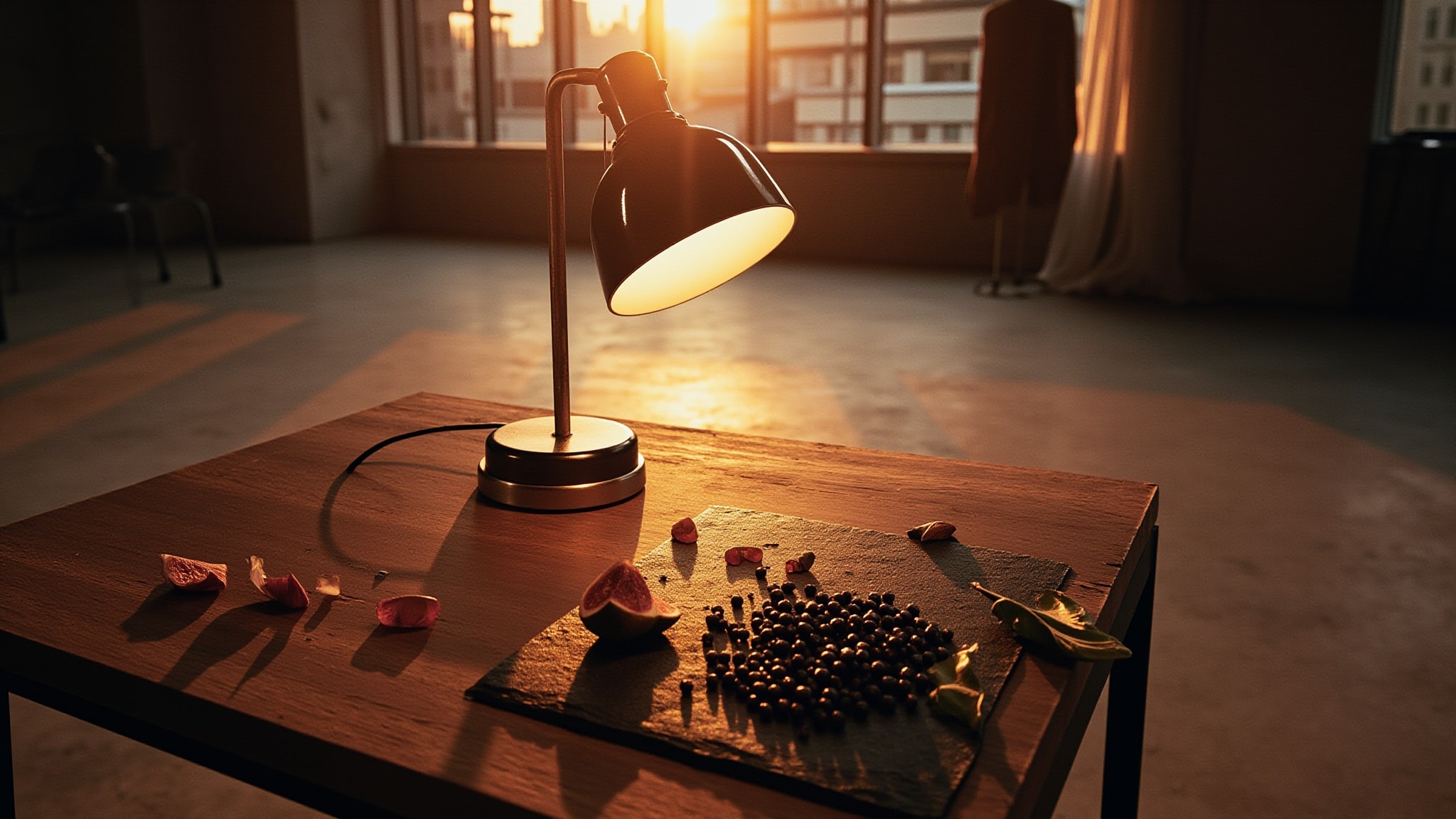
The Process is part of Mango's Craft Line, a collection that asks something different of the materials than a simple fruit accord. The brief is structural: build a composition around craft, process, the idea that something becomes more itself when you apply real technique. Bay leaf and black pepper open with intent, bergamot adds lift without softness. The rose and fig in the heart are deliberate choices. Both are fleshy, both have green edges that read as fresh rather than candied. The perfume treats fruit as architecture, not decoration, layering it into a composition where technique does as much work as the raw materials. There's a deliberate tension here between sweetness and dryness, between the lushness of rose and fig and the grounding dryness of black tea and tobacco.
What makes this composition worth attention is the negotiation happening in the heart. Rose and fig are both lush materials, both prone to collapsing into sweetness when they meet warmth. Here they share space with black tea, which acts as a kind of astringent structural beam, pulling tannin and dryness into the center so the fruit never tips into jam. The bay leaf at the top is the smart gamble. Bay brings an herbal, almost culinary quality that previews the tobacco in the base without announcing it.
The evolution
The opening belongs to bay leaf and black pepper, and they make a specific promise. This is going to be sharp, green, a little savory. Bergamot lifts the top so the opening reads bright rather than aggressive. Then the rose arrives, and the whole structure pivots. It's a warm, jammy rose, not a clean one, and it finds the fig almost immediately. The fig here is closer to the fruit than to a dessert, with that vegetal sweetness that comes from skin and leaf rather than pulp. Black tea threads through the middle, dry and slightly smoky, like the memory of a cup left on a windowsill. As the hours move on, the composition shifts into its base phase. The tobacco comes in quiet, not acrid, more like the inside of a leather journal than a lit cigarette. Patchouli grounds it with a dark, earthy hum, and vetiver keeps the whole thing from sinking too deep.
Cultural impact
The Process occupies an interesting place in the current fragrance conversation. It's the kind of composition that gets passed around in enthusiast circles and compared to other well-built rose-and-tobacco numbers from both niche and accessible houses. A single user comment places it in the company of Zara's Ebony Wood and Rose Gourmand, which tells you something about where it sits on the accessibility spectrum. The Craft Line as a whole feels like an effort to show what the house can do when the brief is structural rather than playful, and it's a strong case for the brand's range.