
The Story
Why it exists.
The beginning
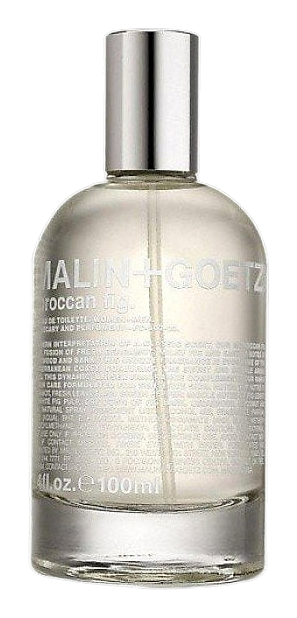
Moroccan Fig arrived in 2014 from Malin+Goetz, a brand built on the idea that less is more, and that simplicity takes more work than complexity. The fragrance opens with green pepper and leaves, an unusually honest entry that smells more like a garden path than a perfume counter. There's nothing dressed up here, no exoticism performed for effect, no fig-leaf theater. Just the raw material: the tree itself, rendered with care. The brand's whole philosophy lives in this choice. Take one thing, study it, and let it speak in its own voice. No syrup, no unnecessary sweetness, no crowd-pleasing shortcuts. The fig tree stands on its own terms, green and woody and slightly bitter, closer to nature than to anything bottled.
What makes this composition interesting is how it handles the fig from multiple angles. The top adds green pepper, not fruit, which sets a vegetal, almost raw tone that most fig fragrances skip entirely. The heart layers fig leaf with white fig, bringing the leafy sharpness against the milky quality of the pulp. Then the base does something most woody-green compositions don't bother with. It brings in fig tree bark alongside coconut and cedarwood, grounding the fruit with the tree itself. That full-spectrum approach, from leaf to pulp to bark, gives the scent depth and coherence.
The evolution
The first ten minutes are sharp. Green pepper and bergamot cut in with a leafy, almost raw edge, the kind of green-pepper bite you get from tearing into a fresh stem. Then the fig arrives, not the jammy dessert version but something closer to the milky smell of fruit still attached to its branch. The coconut eases in gradually, softening the green edges into something creamier and warmer. The pepper recedes as the composition settles, and the fig leaf takes over, dry and slightly bitter, with cedarwood showing up underneath. The fig tree bark holds the whole thing down, woody and grounding, stopping it from floating off into something too sweet. The base settles into a quiet cedarwood-and-musk trace, with coconut still detectable as a faint warmth, like the memory of a tree rather than the thing itself.
Cultural impact
Moroccan Fig occupies a distinctive position in the fig-fragrance category. It offers the tree rather than the dessert, the plant rather than the perfumed fantasy. That distinction sets it apart from the many fig compositions that lean sweet, gourmand, or overtly Mediterranean. The focus here is on green, vegetal, and woody elements: fig leaf, fig tree bark, cedarwood, and coconut used in restraint. The composition draws its character from the full structure of the tree, not just the fruit. This approach gives it a grounded, almost botanical quality that contrasts with the candied fig accords common elsewhere.