





Heritage
A house, in its own words
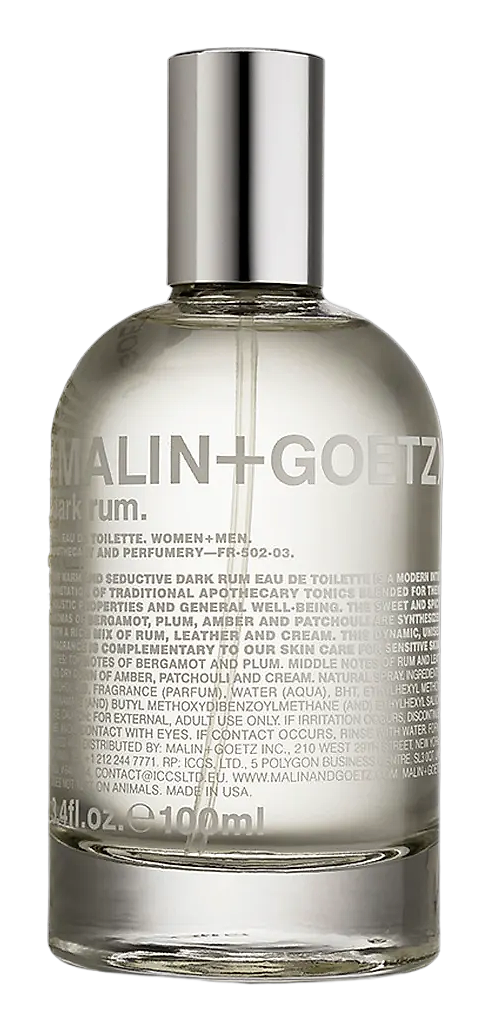
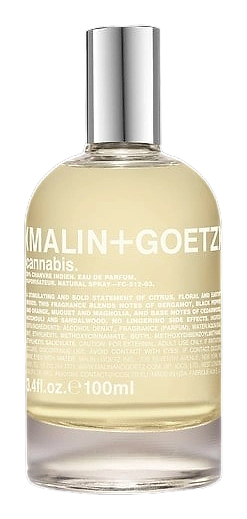
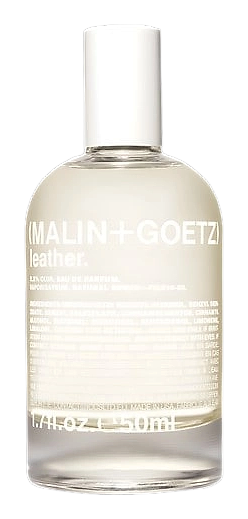
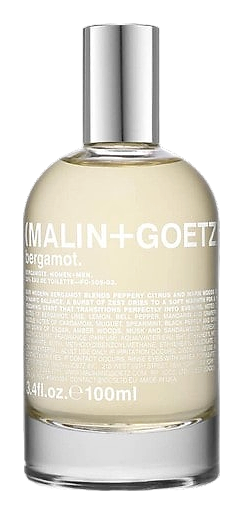
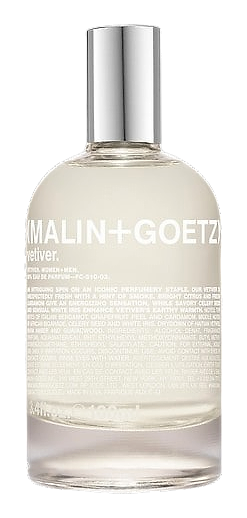
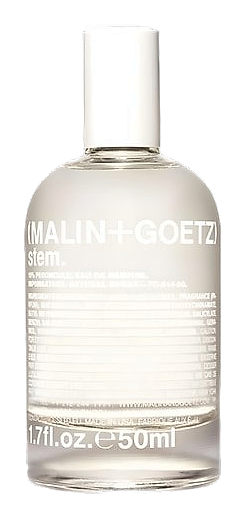
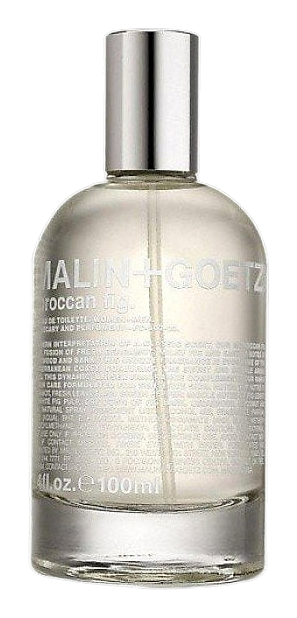
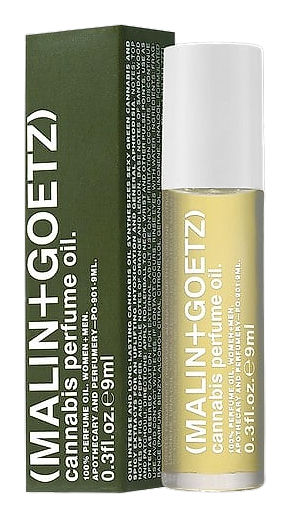
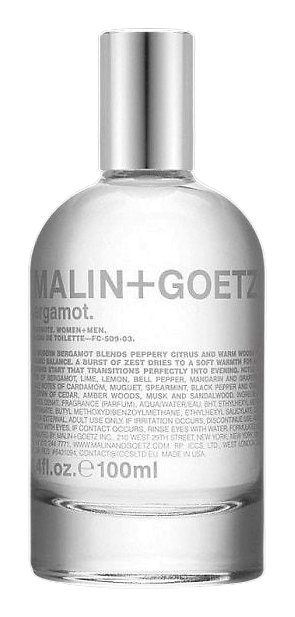
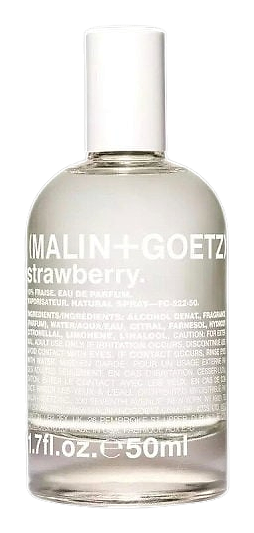
MALIN+GOETZ began in 2004 in New York's Chelsea neighborhood, founded by Matthew Malin and Andrew Goetz with a mission to uncomplicate skincare. What started as six essential products soon grew into a full apothecary-style brand built on pared-back elegance and sensorial simplicity. The founders, one trained in product development and the other rooted in business and brand building, combined a chemist's precision with a designer's restraint. Fragrance entered the picture as a natural extension of that ethos, drawing on traditional apothecary ingredients and personal recollections rather than chasing trends. Early launches like Rum Tonic in 2000 and later staples including Vetiver (2016), Bergamot (2016), and Dark Rum (2017) established a recognizable house style: single-note clarity with a modern edge. More recent additions such as Strawberry (2021) and Leather (2019) show a willingness to explore unfamiliar territory while keeping the formulations disciplined. The brand has cultivated a loyal following among those who appreciate grooming products and scents that feel honest, balanced, and easy to wear across genders and skin types. MALIN+GOETZ approaches fragrance the same way it approaches skincare: with a belief that complexity does not equal luxury. Each scent is built around a single hero ingredient, supported by a careful supporting cast, so that the wearer can understand what they smell from the first spritz. The founders describe the collection as inspired by apothecary ingredients and favorite memories, grounding each composition in something tangible rather than abstract. A core commitment runs through the line: trusted natural ingredients paired with advanced technology, designed to be inclusive and unfussy. MALIN+GOETZ formulas aim for skin compatibility, making them approachable for sensitive complexions and versatile across identities. There is no theatrical branding here, no exaggerated narrative. Instead the creative vision rests on clarity of intent. A cannabis perfume oil smells recognizably green and herbal. A vetiver reads cleanly as root and earth. The brand trusts its audience to appreciate restraint, offering fragrances that feel like modern essentials rather than ornate statements.