The Story
Why it exists.
The beginning
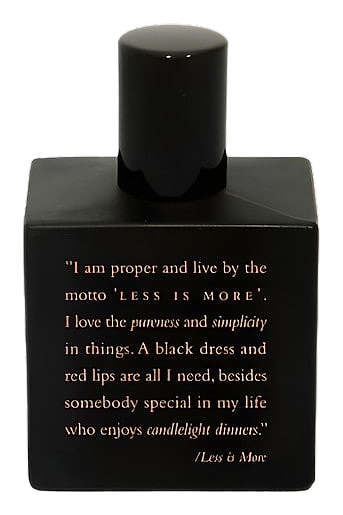
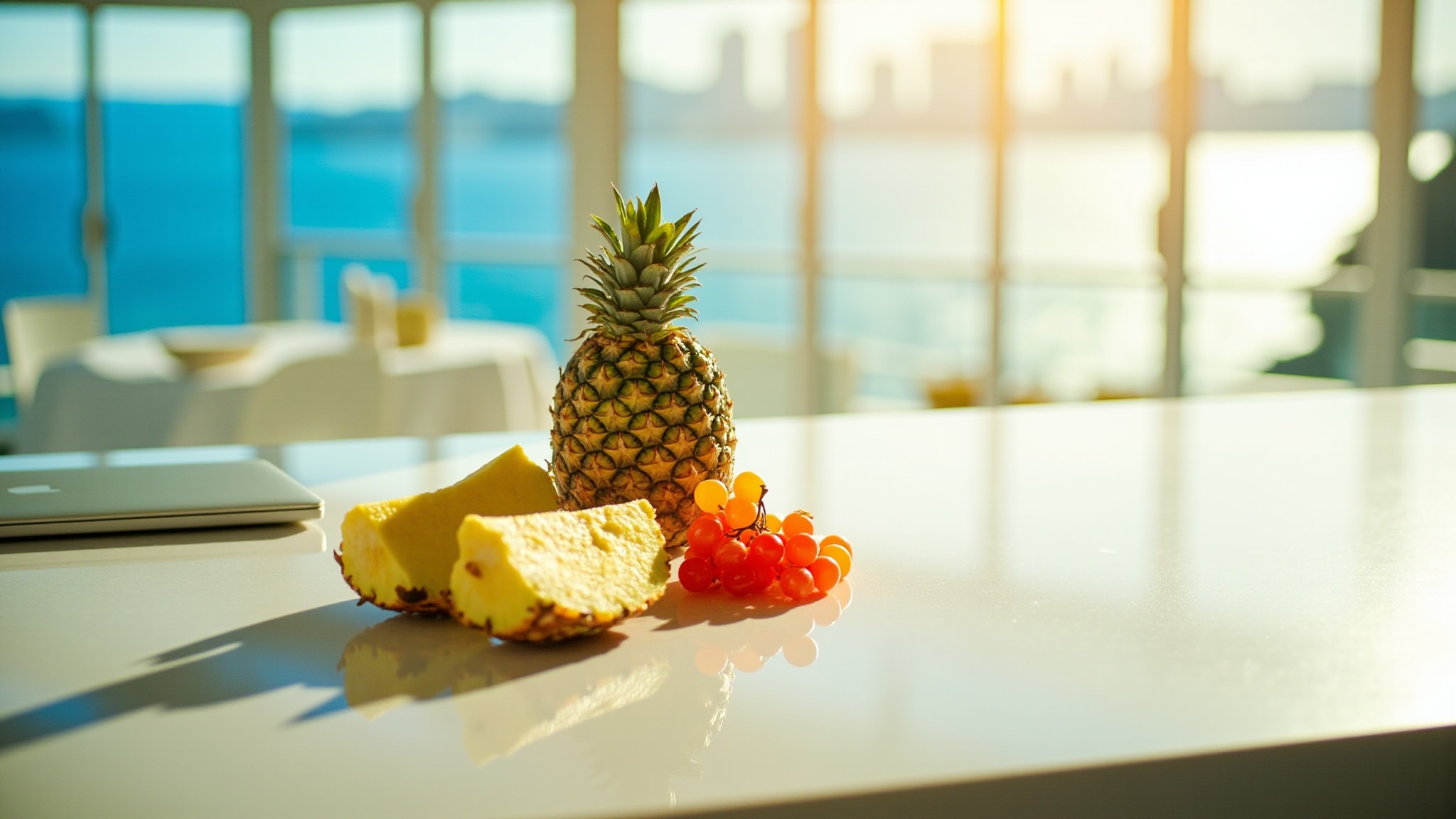
Less is More appears to be built around a simple idea: tropical fruit does not need to shout. Mandarin orange, pineapple, and red currant bring the opening into sharp focus, with citrus brightness beside juicy fruit and a lightly tart edge. The heart introduces mango, lily of the valley, and cyclamen, turning that brightness toward something softer and more floral. Nothing about the composition is shy, but its appeal lies in balance rather than excess. The name, Less is More, fits that restraint. The fragrance opens with a concentrated burst of fruit, then gradually gives way to a pale floral center. Mandarin orange gives the first impression a clean citrus edge, while pineapple and red currant add sweetness and tartness in equal measure.
The composition's interest comes from the handoff between fruit and water. Pineapple, red currant, and mandarin orange bring sparkle and tartness first, while mango keeps the center generous rather than sharp. Lily of the valley and cyclamen add a pale floral register, making the tropical side feel airy instead of syrupy. The base changes the temperature again with aquatic notes, then anchors everything with musk and plum. That structure gives Less is More several distinct layers without requiring a complicated backstory.
The evolution
At first, Less is More is all quick fruit and light: mandarin orange, pineapple, and red currant give the opening a crisp, almost fizzy lift. Then mango, lily of the valley, and cyclamen take over, making the center feel rounder and more floral. The tropical side remains, but it loses some of its raw brightness. As the fragrance settles, aquatic notes bring a cool undertone beneath the fruit. Plum follows, adding a darker, juicier shade that keeps the composition from becoming a simple sweet accord. Musk contributes a soft, subtle finish, completing the gradual shift from sparkling fruit to floral warmth, aquatic coolness, and a gently musky drydown. The arc unfolds in layers, with each note changing the balance of the fragrance while preserving the contrast between juicy fruit, pale florals, water, and musk.
Cultural impact
Less is More uses familiar fragrance materials in a layered composition: mandarin orange, pineapple, red currant, mango, lily of the valley, cyclamen, aquatic notes, plum, and musk. Its appeal comes from the way these notes change in emphasis, moving from sharp citrus and tart fruit toward softer floral, watery, and musky impressions. The result offers several ways to experience one fragrance while remaining centered on a clear fruit-and-water theme.