The Story
Why it exists.
The beginning
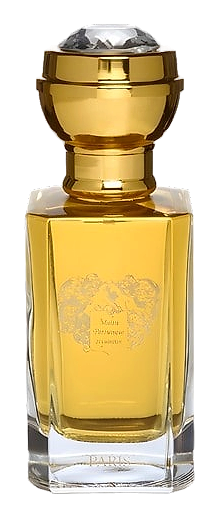
Maître Parfumeur et Gantier launched Jasmin in 1988 as part of the Les Fleurs Divines collection, a series devoted to singular floral compositions. The house drew inspiration from the jasmine plantations surrounding Fez in Morocco, a region known for producing intensely aromatic blossoms under harsh sun. Rather than recreating a polite garden impression, Laporte wanted to capture jasmine as it exists in nature: voluptuous, slightly animalic, threaded with green and earth. The result was a fragrance that didn't apologize for what jasmine actually smells like.
The choice of Moroccan jasmine over the more commonly used Grasse or Indian varieties gives this composition a specific character, deeper, warmer, with an almost resinous quality that reads as indolic on certain skin types. The inclusion of castoreum and civet in the base is unusual for a floral-focused fragrance; these animalic materials don't compete with the jasmine but rather anchor it, adding a skin-close quality that elevates the entire structure. The rose note is subtle, more whisper than statement, keeping the focus firmly on the jasmine throughout the wear.
The evolution
The opening hits immediately, a surge of green that feels like crushed stems and dew-covered petals. The jasmine arrives fast, large and unapologetic, filling the space where the greenness was. There's a brief moment where the rose surfaces, soft and fleeting, before the jasmine dominates again. Around the second hour, the animalic base begins to emerge, the castoreum and civet lending a warm, skin-like quality that makes the jasmine feel less like a bouquet and more like a presence. The drydown is where this fragrance earns its reputation: musk and oakmoss settling into something powdery and deep, with the jasmine still faintly audible underneath, like a memory of the opening. On fabric, it lingers for days. On skin, expect six to eight hours of evolution, ending quiet but unmistakable.
Cultural impact
Jasmin sits at an interesting crossroads in the house's history, launched early in Laporte's career with MPG, it represents the brand's willingness to commit to challenging materials. While not as famous as some of the house's amber compositions, it has maintained a dedicated following among collectors who appreciate jasmine in its most uncompromising form. The 1988 launch date places it squarely in the era of bold, statement florals, yet its animalic character feels more aligned with the experimental niche spirit than the commercial florals of its decade.