The Story
Why it exists.
The beginning
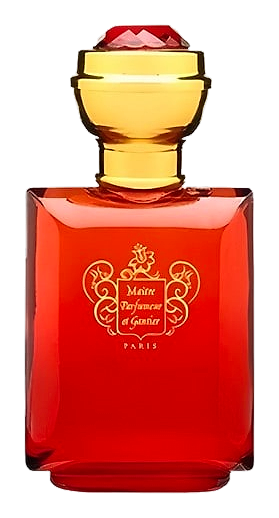
Jean Laporte designed Baime in 2000 as a statement about restraint. While other niche houses of that era chased amber and oud, this was something different: a fragrance built on the idea that herbs are not a supporting cast. Tropical fruits open the composition with bright, almost playful sweetness, a deliberate choice. The contrast between that tropical beginning and the herbal heart is the whole point. Laporte wanted wearers to feel the shift, to wonder what happened to the fruits. They went somewhere quieter. That's the idea.
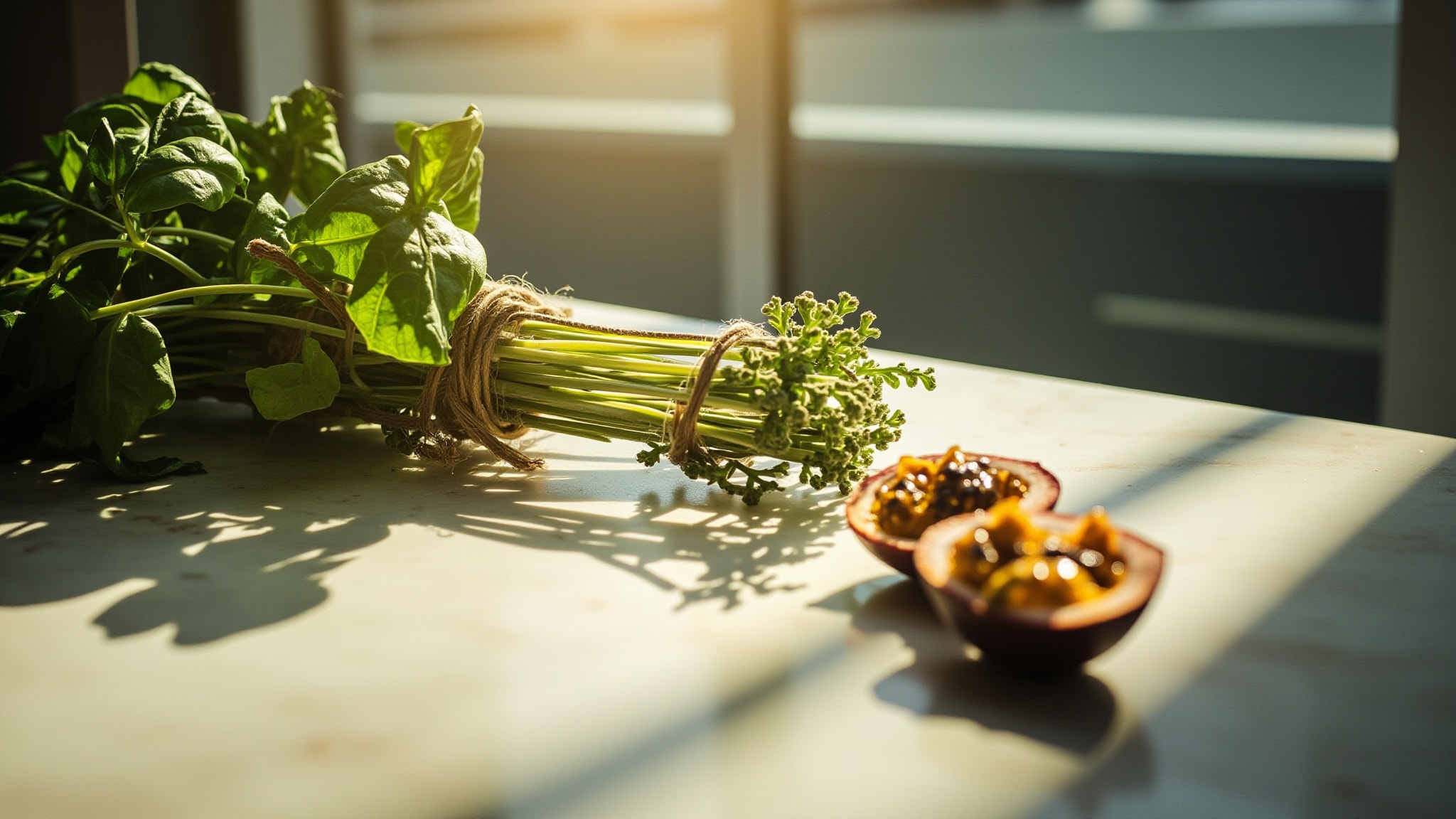
What makes Baime interesting is its structure, most aromatic fragrances lead with lavender or citrus and build around it. Here, the herbal heart of thyme and basil arrives firmly in the middle stage, taking over from the tropical opening without apology. Jasmine appears at just the right moment to prevent the herbs from becoming medicinal, adding a floral softness that threads the composition together. The combination of green leaves (as the community notes) and the herb garden is what gives Baime its unusual character: not quite cologne, not quite countryside, but somewhere between the two.
The evolution
The opening is immediate: tropical fruits hit bright and sweet, almost juicy. Lemon adds a sharp edge that keeps it from becoming syrupy. Within minutes, the shift begins, basil and thyme arrive with herbal certainty, pushing the fruits aside like someone who knows they arrived late but isn't apologizing. The transition is smooth but unmistakable. Jasmine shows up in the heart, not to overpower the herbs but to remind you this is still a perfume. The drydown belongs to vetiver and sandalwood, earthy, warm, intimate. Musk anchors everything. By the three-hour mark, only the vetiver remains, close to the skin, the kind of thing only you notice.
Cultural impact
Baime arrived in 2000 as a deliberate counterpoint to the heavy amber and oud scents dominating niche perfumery at the time. Maître Parfumeur et Gantier, founded on the principle of accessible artisanal fragrance, used Baime to demonstrate that herbal composition could compete with blockbuster oriental releases. The fragrance captured a moment when independent houses were establishing identities distinct from designer brands, positioning green aromatic work as a legitimate alternative rather than a lesser genre. Jean Laporte's structural choice, opening with tropical sweetness before revealing the herbal conviction underneath, reflected broader design thinking of the period, when contrast and evolution were prized over linear single-note simplicity.