The Story
Why it exists.
The beginning
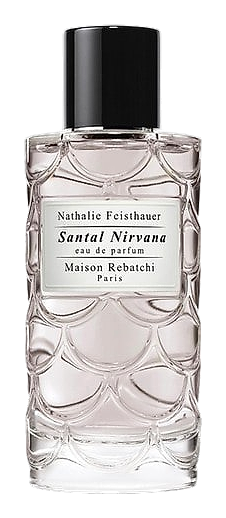
Mohamed Rebatchi wanted to do one thing with Santal Nirvana: let sandalwood be sandalwood. The rest of the brief was permission, not restriction. Bring the spice, bring the shadow, bring whatever makes the wood feel like more than itself. He handed the commission to Nathalie Feisthauer, whose work sits comfortably among the more considered end of French perfumery. Sandalwood carries its own complications. Mysore sandalwood is now sourced responsibly from Australia due to limited exports, which means the material at the heart of this composition arrives through a supply chain shaped by regulation and scarcity. Rebatchi gave Feisthauer a short list of supporting players and a long leash.
What makes the structure interesting is what's missing. There is no vanilla softening the base. No ambroxan punching the drydown into submission. No rose, no jasmine, no iris pretending to add depth. Just saffron up top, Madagascan clove in the middle, and a base built from three woods that earn their place by doing different work: sandalwood for cream, oud for gravity, patchouli for the earthy thread that keeps everything from floating off. The clove is the surprise.
The evolution
The first hour belongs to saffron, but not in the way saffron usually behaves. There's no sweetness, no curry-shop haze. What arrives is drier, almost metallic, like saffron threads toasted past their usual point. The Madagascan clove steps in within twenty minutes and tightens the composition, adding a clean burn that sits just above the skin. It's the phase that decides things. Some people never get past it. By the second hour, the woods begin to organize underneath. Sandalwood arrives first, creamy and unhurried, the way good Mysore always does. Then oud, not the barnyard kind, but something drier, more architectural, the kind that holds a structure in place rather than dominates it. Patchouli threads through both, adding the green-dirt backbone that keeps the whole thing from floating.
Cultural impact
Santal Nirvana occupies a specific lane in contemporary sandalwood perfumery. It's a composition that takes its central material seriously enough to build the entire structure around it, rather than burying the wood under louder ideas or sweeter frameworks. The saffron-and-clove opening sets a tone of intensity before the woods arrive, and once they do, they take over without needing to shout. What emerges is something that reads as a meditation on a single ingredient, supported by spice and earth rather than diluted by them.