The Story
Why it exists.
The beginning
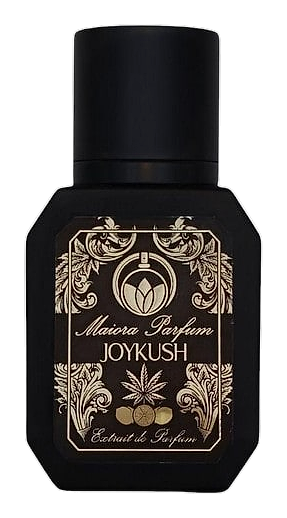
Joykush began as a question Antonio Gigli wanted to answer: what happens when you don't hedge the green note? Cannabis as an accord has become almost a genre trick, present but restrained, there to be detected rather than announced. Gigli wanted the opposite. He built Joykush around a bold, almost confrontational green quality that arrives in the opening and never fully disappears, shifting through the heart before settling into the drydown as something warmer and more intimate. The name itself, Joykush, carries that intention: joy without apology, kush without caution. It is an extrait de parfum, which means concentration is not an afterthought. This is a fragrance that was meant to last.
What makes Joykush structurally unusual is the way its heart refuses to be overshadowed by the opening. Most fragrances with a strong citrus top lose that energy within twenty minutes. Here, the cannabis accord acts as a bridge, it absorbs the citrus brightness and converts it into something deeper, so the heart doesn't arrive as a contrast but as a continuation. The saffron in the top notes plays a similar role: it introduces warmth early, so the shift from fresh to spicy feels organic rather than abrupt. Then the clove and cardamom arrive in the heart and the composition turns unexpectedly savory, a move that few modern niche houses attempt without irony.
The evolution
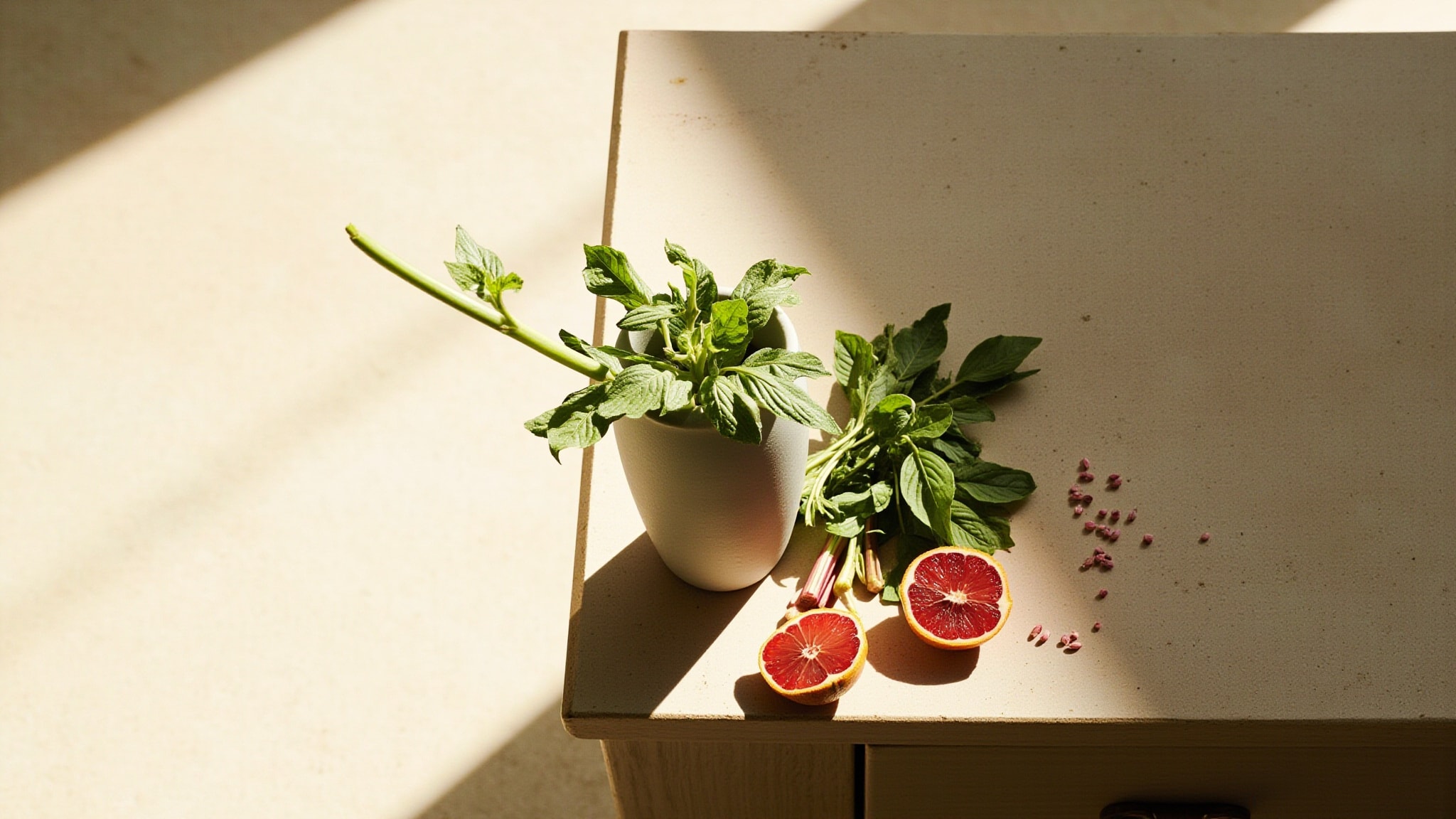
Joykush opens on skin with an immediate tartness, rhubarb and citrus arriving together, almost shocking in their brightness. For the first twenty minutes this is a very different fragrance from what arrives later. The cannabis note emerges as the citrus begins to settle, giving the composition a green, slightly narcotic quality that shifts the entire character. Around the thirty-minute mark the heart arrives fully: jasmine and peach blossom weave through the cannabis accord, softening what could have been harsh into something lush and slightly sweet. This phase lasts for hours. The drydown is where Joykush earns its quiet reputation. Sandalwood and cedarwood emerge slowly from the base, creating a creamy, woody foundation that lingers close to the skin through an entire evening. On paper the citrus reads sharper and more concentrated. On skin it softens into something more intimate, holding for a full workday before fading to a quiet whisper by evening.
Cultural impact
Joykush represents a confident move for a house that built its early reputation on single-note explorations. Placing cannabis accord at the structural center, not as a supporting note but as a load-bearing element, is a statement of intent in a fragrance market where restraint is often mistaken for sophistication. The composition sits at an interesting intersection: aromatic enough to appeal to the lavender-and-clary-sage crowd, complex enough to hold the attention of collectors who have worked through the standard niche canon. That it performs as an extrait de parfum, meaning higher concentration than most eau de parfum releases, adds a practical dimension that matches its conceptual ambition.