The Story
Why it exists.
The beginning
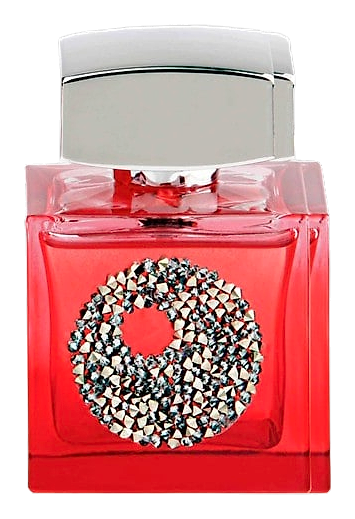
Rouge No2 by M. Micallef arrived in 2013. The perfumer Jean-Claude Astier had been working with the brand, and understood what the house wanted from its compositions. The name is the brief, rouge, the color of red, of berries crushed at their peak, of something bold and unapologetic. The brief was simple. The execution was not. What arrived was a floral-fruity oriental that refused to fold into either category cleanly. Blackcurrant and citrus opened bright, tart and vibrant. The heart layered orchid against jasmine and violet, a florist's arrangement in a bottle with distinct character. The base, though, that's where the conversation starts.
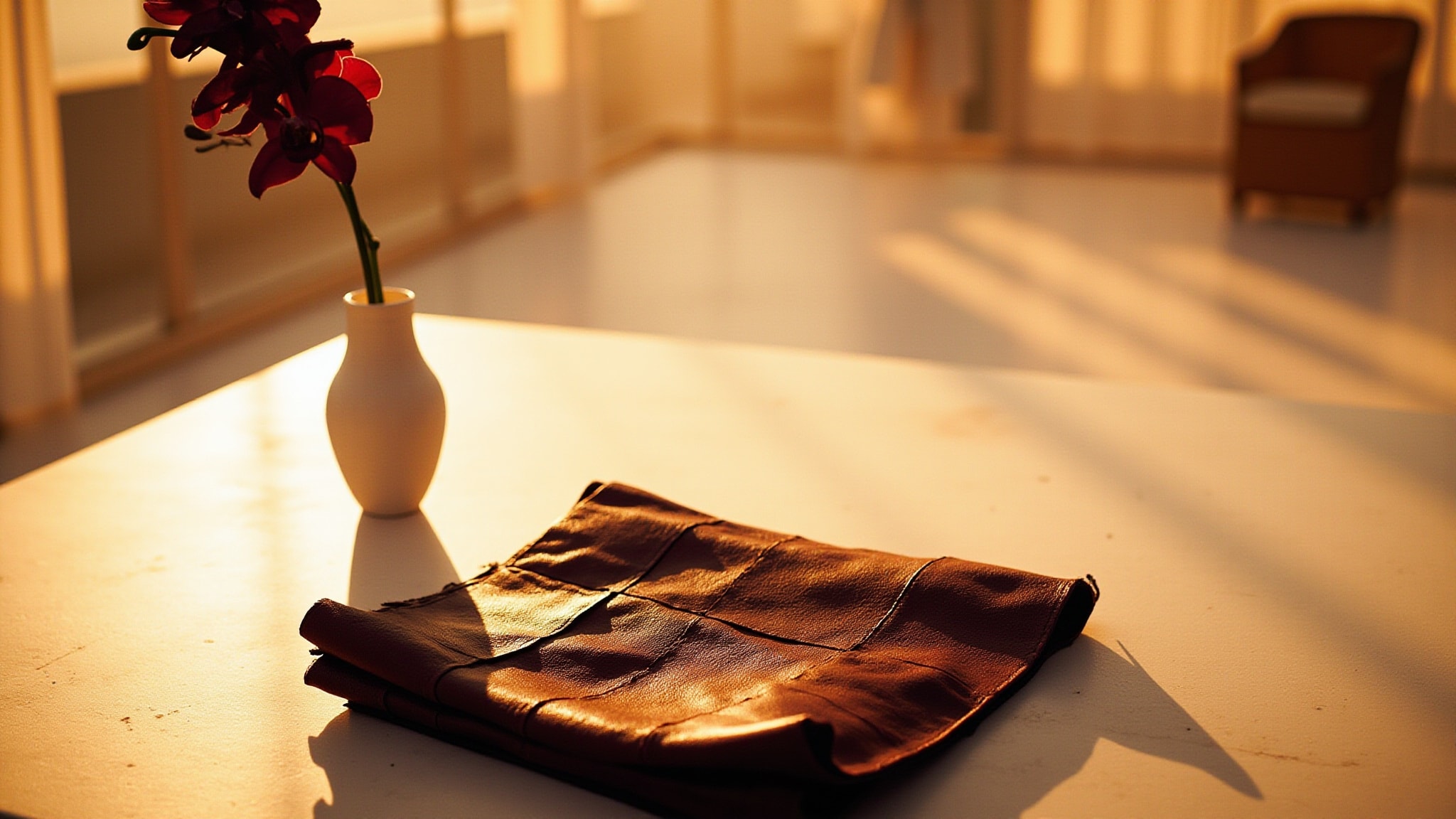
The castoreum is the point. Not the notes list, not the pyramid, not the family designation, castoreum. It's a material harvested from beavers, technically, though the M. Micallef interpretation processes it into something that reads less animalic and more abstract: warm skin, old leather, the kind of smell that clings to a room you've just left. Paired with vanilla and amber and labdanum, it transforms from challenging to tenacious. The orchid keeps the top honest. The violet keeps the heart soft. The nutmeg keeps everything just off-balance enough to stay interesting. This is not a fragrance that announces itself in the first five minutes. It earns attention over hours.
The evolution
The opening arrives crisp, the blackcurrant is tart, almost sharp, tempered only slightly by nutmeg's warmth and whatever citrus is floating beneath. For the first part of the wear, this smells like someone who walked in with purpose. Then the florals arrive, and they don't announce themselves so much as settle in. Orchid first, then jasmine, then a quiet violet that smells like something from a childhood memory you can't quite place. The base arrives differently on everyone. On most skin, the amber and vanilla create warmth without sweetness, the castoreum threads through like a suggestion rather than a statement. On dry skin, it reads more animalic, more present. The labdanum holds everything together for the long haul. The drydown on fabric after extended wear smells like warm powder and memory.
Cultural impact
Rouge No2 occupies a distinct position among floral-fruity orientals. The castoreum note creates a particular effect in the composition, present but restrained. Wearers who connect with it describe it as a fragrance that stays in memory, the one that people ask about hours after they've left the room. Those who don't connect with it sometimes describe it as too much, too animalic, too present. The varying responses create a signature effect.