The Story
Why it exists.
The beginning
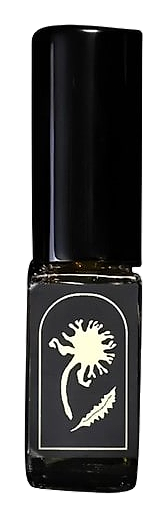
Dandelion joins Lvnea's Language of Flowers Vol. I collection in 2025, a series that translates botanical symbolism into wearable form. April Engloner composed this entry as an ode to a flower that grows wherever it can take root, in disturbed soil, in neglected corners, in any forgotten strip of ground that catches enough light to bloom. The composition turns away from the expected floral vocabulary, building its character from yellow blooms like marigold, goldenrod, and chamomile, from beeswax, honey, and the green snap of rose leaf, from the earthy gravity of patchouli and ambrette.
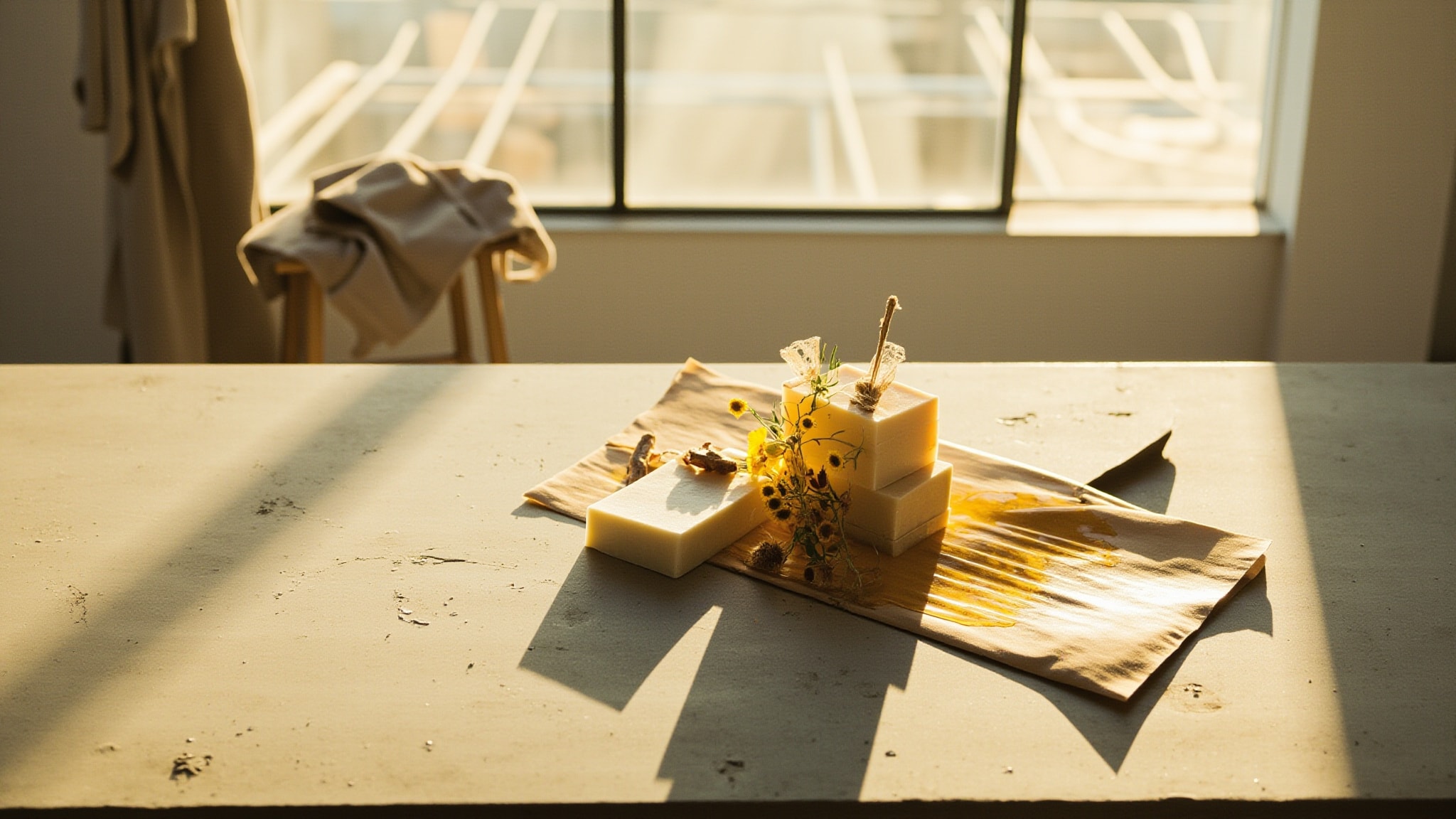
The note list reads as an unfiltered meadow rather than a curated arrangement. Marigold and goldenrod arrive together, two of the most underrated yellow blooms in perfumery, backed by chamomile's herbal quiet and the green bitterness of rose leaf. Beeswax and unfiltered honey replace the usual white musk base, lending a raw, waxy warmth that feels closer to a hive than a bottle. The ambrette adds the animalic lift that keeps this from reading as a confection. Nothing here is precious. Nothing is trying to impress.
The evolution
The opening belongs to bergamot, sharp and clean, almost a palate-cleanser, a bright citrus entry that gives the composition somewhere to begin. Then the yellow flowers arrive as a wave rather than a procession: marigold's oily glow, goldenrod's peppery sweetness, chamomile's tea-soap calm, all braided together with the green bite of rose leaf. The honeyed facet of goldenrod threads through everything, softening the brighter citrus into something fuller and rounder, while chamomile pulls the bouquet toward a low, calm herbal register. The heart holds before beeswax and honey take over, and this is where the composition finds its real gravity. The wax doesn't sit on top of the skin, it settles into it, slightly tacky, slightly animal, dense and warming in a way that feels like the fragrance is embedding itself rather than sitting on the surface.
Cultural impact
Dandelion sits within Language of Flowers Vol. I, a collection that engages with botanical symbolism through a lens that feels contemporary rather than decorative. The yellow-field composition, anchored by marigold, goldenrod, and chamomile, reads as something grounded in the actual character of its source flower rather than borrowed sentiment, an attempt to translate a living plant into scent with the rough edges intact. The dandelion is not the most glamorous of flowers, and the composition seems aware of that, building its character from the weed's stubborn presence rather than trying to elevate it past recognition.