Goldenrod
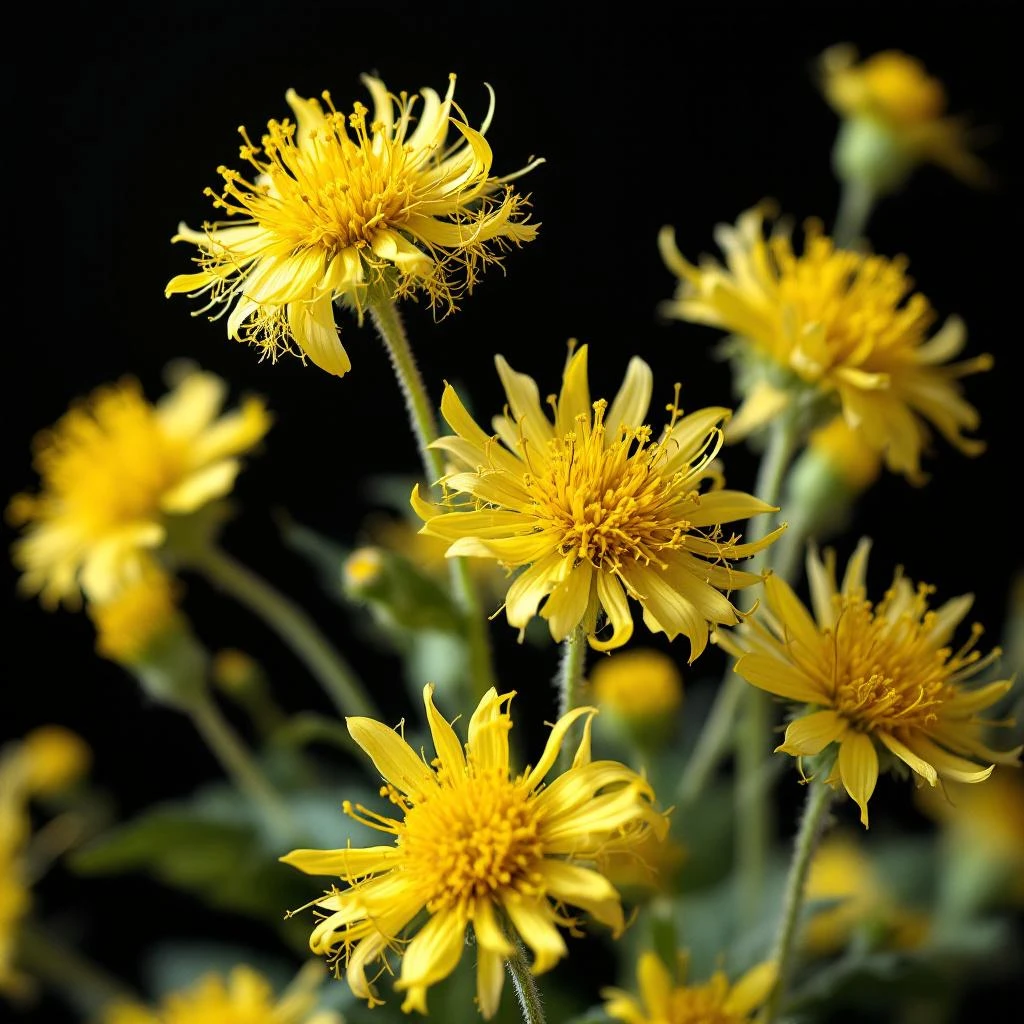
Goldenrod delivers a fresh, herbaceous-floral character with an unexpected coolness that bridges green and aromatic dimensions in perfumery. This North American botanical adds complexity to masculine and nature-inspired compositions.
Character
How it smells
Wild North American herb with cool, fresh floral character.
Goldenrod belongs to the Asteraceae family alongside chamomile and arnica, yet it remains one of the least documented perfumery ingredients from that plant family.





Origin
Canada
Goldenrod carries an unusual legacy in perfumery: it appears extensively in folk medicine and native American traditions yet barely registers in formal fragrance literature. Indigenous peoples across North America used Solidago species for wound care, sore throat, and digestive complaints, knowledge that Euro-American settlers adopted into early medical practice. The plant earned its common name from the Old English "gildrudu," combining "gold" with "rod" for a straight wand, reflecting its tall, graceful habit.
European explorers encountered goldenrod abundance during colonization but showed little interest in developing it as a commercial fragrance material. Unlike rose, jasmine, or lavender, goldenrod never underwent the systematic cultivation and extraction refinement that characterized European perfumery development from the 18th century onward. This North American native essentially missed the window when new fragrance ingredients were being evaluated, standardized, and incorporated into the Western perfumer's palette.
Contemporary interest in goldenrod reflects a broader movement toward North American botanicals and unique aromatic profiles not already dominated by established materials. The ingredient remains genuinely niche, appearing in less than 1% of commercially available fragrances while attracting a small but devoted following among natural-perfume makers and artisanal houses seeking differentiation.
Wears it best
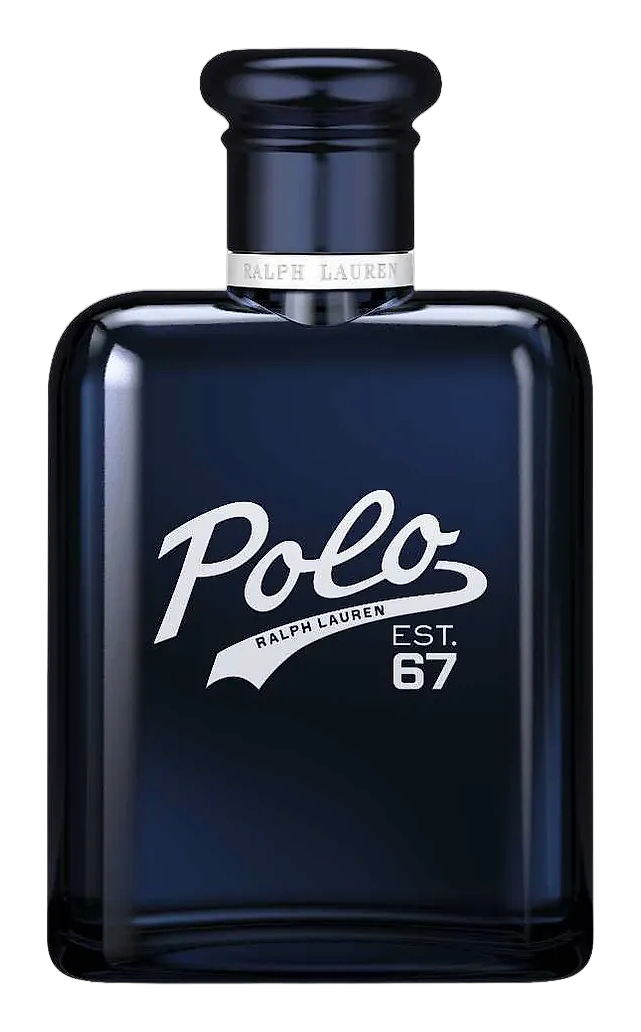
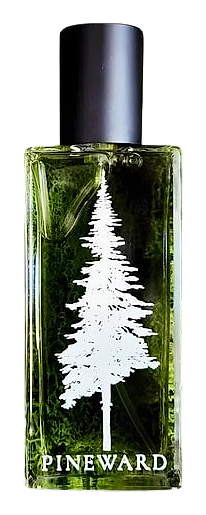
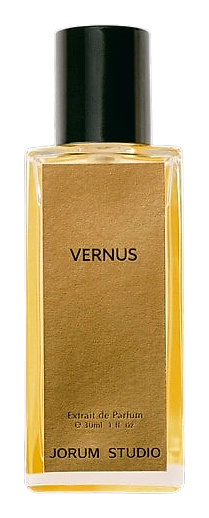
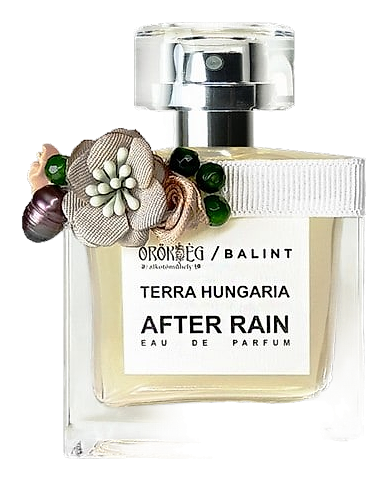
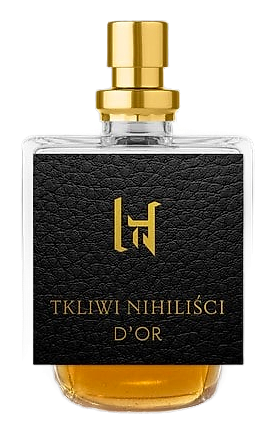
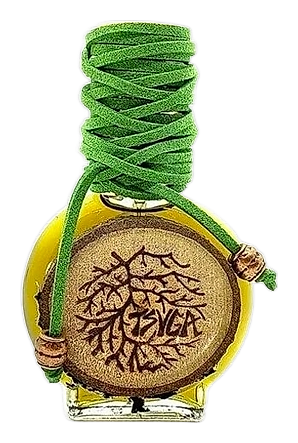
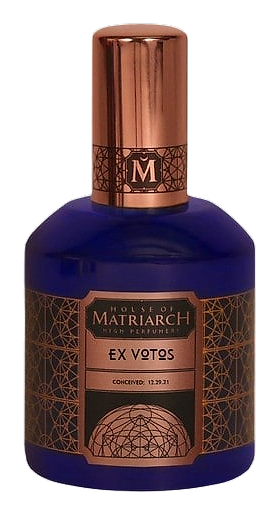
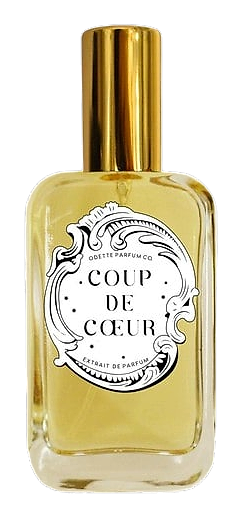
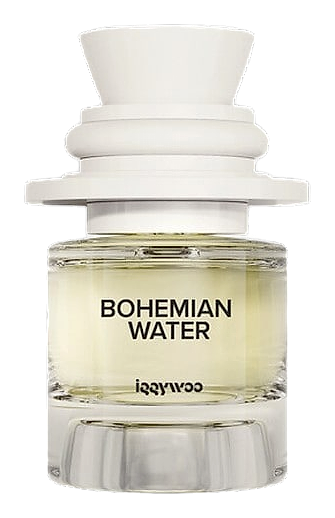
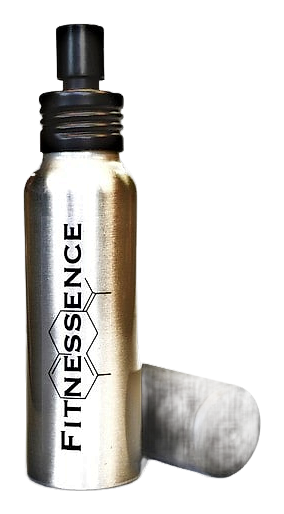
Fragrances featuring Goldenrod

Brands
Brands known for Goldenrod
Good to know
Questions, answered
The essentials on Goldenrod in perfumery: how it smells, where it comes from, and how it behaves on skin.
What does goldenrod smell like?
Goldenrod smells herbaceous and fresh with an unexpected cool, almost incensed quality. The overall impression is greener than sweet, with a clean floral dimension that reads as natural rather than perfumed.
Is goldenrod a natural or synthetic ingredient?
Goldenrod is a natural ingredient sourced primarily from Solidago canadensis in Canada. Steam distillation of the aerial flowering parts produces the essential oil used in fragrance formulas.
What dominates goldenrod's chemistry?
Germacrene D typically makes up the largest fraction of goldenrod oil, with alpha-Pinene, Myrcene, and Limonene following. This monoterpene and sesquiterpene profile explains its fresh-herbaceous character.
Does goldenrod present any safety concerns?
Tisserand and Young report no special precautions, but some chemotypes may contain estragole. Occasional skin sensitivity has been noted in aromatherapy literature, so patch testing remains advisable for topical applications.
What oils blend well with goldenrod?
Goldenrod combines particularly well with coniferous oils like pine and spruce, citrus materials including bergamot, and other herbaceous partners such as basil or sage. Its fresh-floral quality also supports green accords.
Which fragrances feature goldenrod?
Goldenrod appears mainly in artisanal and natural-perfumery lines rather than mainstream commercial releases. Its rarity makes it a signature ingredient for houses emphasizing North American botanicals.
Why is goldenrod uncommon in perfumery?
Goldenrod never underwent the systematic cultivation and standardization that European perfumery demanded during the 18th and 19th centuries when new ingredients were being evaluated. It remained outside formal fragrance development while competing botanicals became established.
Where does goldenrod grow?
Solidago canadensis grows abundantly across Canadian and American prairies, meadows, and open woodlands. Canada supplies most of the world's goldenrod essential oil from wild-harvested stands.