The Story
Why it exists.
The beginning
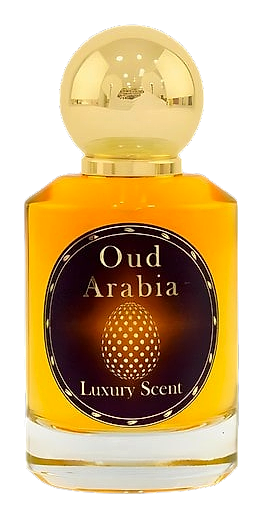
Oud Arabia sits at the intersection of two fragrance traditions: the refined floral-oud compositions of the Gulf and the heavier leather-driven styles that trace back to European tanning towns. The name borrows from Arabian perfume culture, but the composition takes a different path. Lavender and orange open with deceptive politeness, the kind of top notes that make you lean closer before the material arrives. Then leather lands, and the conversation shifts. Rose threads through the oud not as ornament but as counterweight, softening the structure without gentrifying it. The result is a fragrance that negotiates between cultures, trading gilded excess for something worn-in and direct.
The interplay between lavender and leather is the composition's most distinctive move. Lavender carries associations of sobar grooming products, cologne counters, fougère traditions. Leather carries the opposite energy: workshop, saddle, smoke, second skins. Pairing them in the same composition creates a deliberate friction, the scent equivalent of wearing a tailored jacket with worn boots. The rose added to the top complicates the accord further, introducing a floral sweetness that has to negotiate with both elements. In the heart, oud arrives as a binding agent rather than a soloist, holding the leather and amber together without dominating the frame.
The evolution
The first ten minutes are almost disarmingly fresh. Lavender reads sharp and soapy, cut by orange zest and a whisper of rose that hasn't yet committed to its direction. The sweetness stays restrained, more citrus skin than confection. Then the transition begins, and it happens faster than you'd expect. Leather arrives with the force of a door closing, dense and slightly animal, undercut by amber's warm resinous glow. Oud surfaces next, but not in any Hollywood way. It's smoky, almost tarry, the kind of oud that smells like it's been somewhere and came back changed. This is the phase that defines the fragrance, the hour where everything else becomes backdrop. After about three hours the composition starts to settle. The leather softens, losing its edge and gaining roundness. Patchouli emerges from underneath, earthy and slightly sweet, grounding the oud into something more contemplative. Sandalwood adds a creamy finish that feels almost intimate after the intensity of the middle phase. Musk takes over the last stretch, lending skin-warmth without dominating.
Cultural impact
Oud Arabia leans into leather and oud as its anchors, building a profile that reads distinct from more conventional pairings. The lavender-leather tension creates a contrast that rewards attention, pulling the wearer back to the wrist throughout the wear. Its appeal sits with those who prefer their fragrances to make an entrance rather than request attention, and the composition delivers on that front without tipping into excess. The rose that persists from opening through drydown adds a layer of softness that keeps the heavier materials from overwhelming the structure.