
The Story
Why it exists.
The beginning
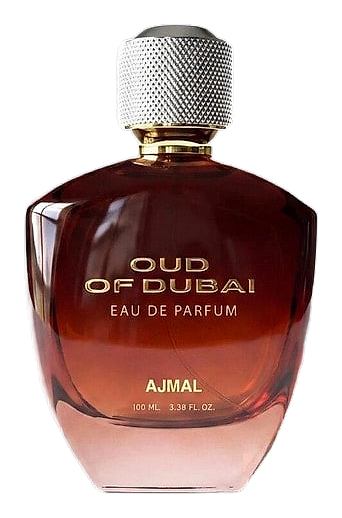
Oud of Dubai is a portrait dressed in its own city's name. Not a postcard, not a skyline. The smell of a place where oud has been traded, burned, and worn close to the skin for longer than most modern cities have existed. The name says where. The fragrance says why. There's weight to it from the first spray, a golden amber haze that fills a room before you've taken three steps, threaded with sparks of spice rather than blunt heat. No sharp citrus edge to cut through, no green lift at the top to lighten the load. Just warmth, full and immediate, the kind that settles into fabric and stays there. The oud that surfaces isn't a whisper or a shout. It accumulates the way a good memory accumulates, quietly, until you realize it's been there the whole time.
The structure is uncommonly tight. Amber and spices open not as separate layers but as a single warm current. The heart folds jasmine and neroli around sugar, a combination that could skew syrupy in less disciplined hands. Instead it reads as confection made by someone who knows restraint. Then the base drops oud and musk together, and the whole composition slides into something animalic and grounded. The oud does the heavy lifting. The musk makes sure you don't forget the skin underneath it.
The evolution
The opening is warm before it's anything else. Amber hits first, a broad golden haze, with the spices threading through like sparks rather than heat. There's no sharp citrus edge to cut it, no green lift. Just warmth, full and immediate, the kind that wraps around you rather than announces itself. As the composition settles, the sugar arrives, not as sweetness but as a softening. The jasmine gives it lift, neroli gives it light. The whole thing breathes differently here, less dense, more luminous, the way a room looks at the hour the sun starts to leave and the shadows get a little longer. The oud comes forward gradually, accumulating rather than crashing in. It reads warm and resinous, not smoky or medicinal, the kind of oud that feels lived in rather than declared.
Cultural impact
Oud of Dubai carries its name like a flag. The composition reads as a direct statement about place, about where this material comes from and what it means to wear it. Oud has been traded, burned, and worn close to the skin in the Gulf for centuries, and a fragrance that names itself after the city at the center of that trade isn't subtle about its intentions. The fragrance sits comfortably in the space between everyday wear and occasion, substantial enough to register across a room but smooth enough to wear without ceremony. It doesn't feel like an event fragrance or a quiet skin scent.