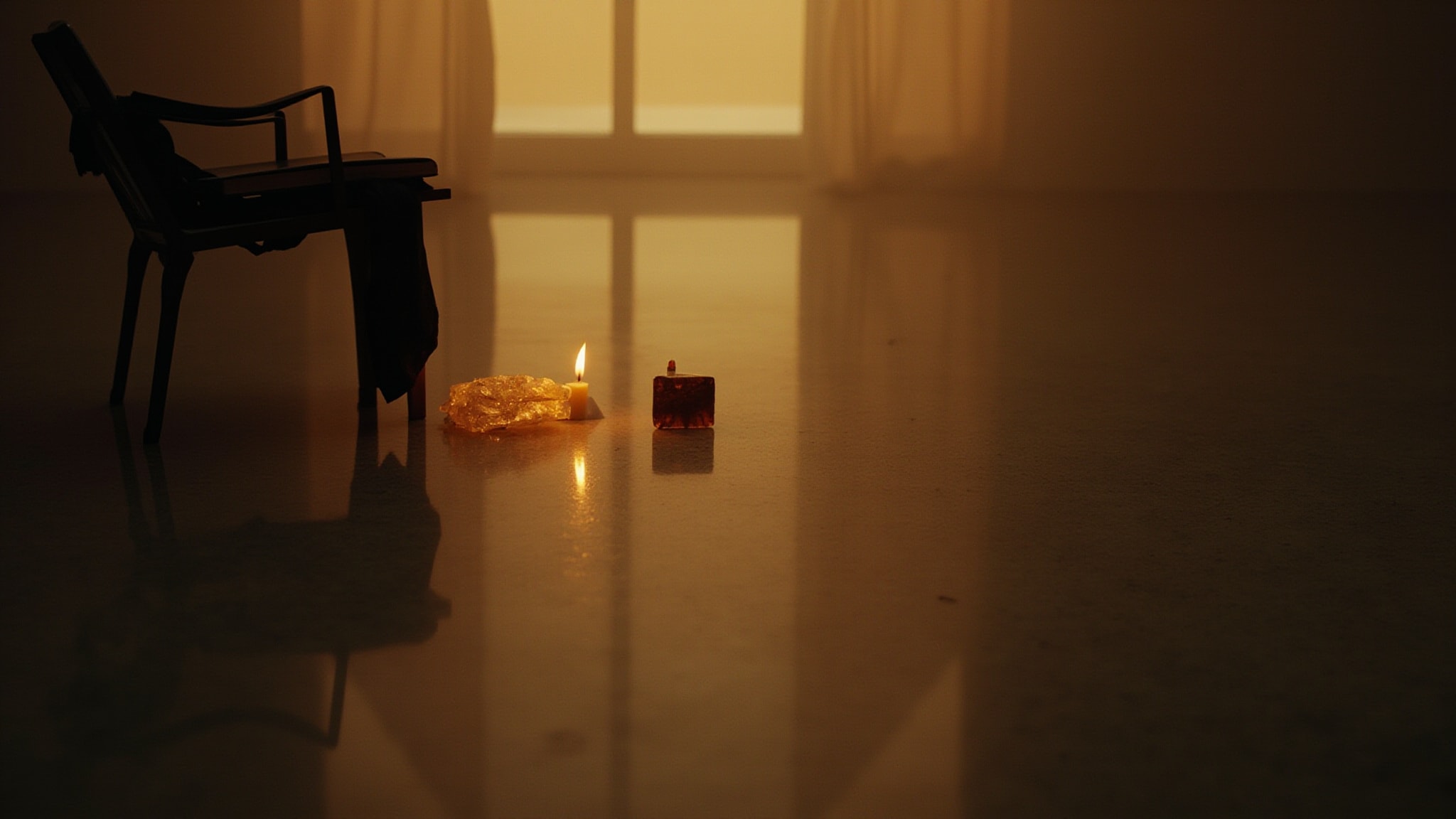
The Story
Why it exists.
The beginning
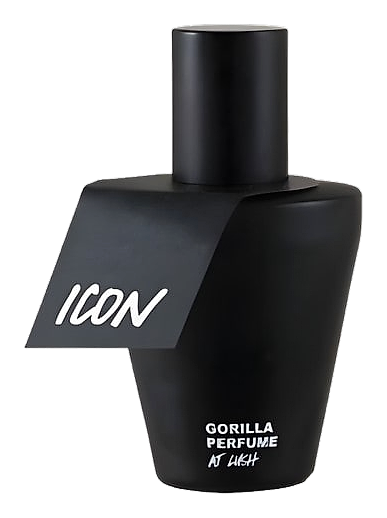
Mark Constantine created Icon in 1999, early in Lush's fragrance history, when the brand was still finding its footing in fine perfumery. The brief was clear: something dark, something that accumulates. Citrus that opens bright, resinous myrrh that grounds the whole composition, and a name that implies significance. Icon was built to be noticed by those who know how to look, not the fragrance that fills a room, but the one that stays in it long after you've left.
What makes Icon work is the way it refuses to separate light and dark. The citrus and white florals arrive first, bergamot, tangerine, orange blossom, bright and almost delicate. Then the myrrh settles in, not overpowering but insistent, like smoke that refuses to clear. Sandalwood adds a creamy woody warmth underneath, preventing the myrrh from becoming too medicinal. It's this push and pull, the sparkle against the depth, the warmth against the mystery, that makes the composition feel more like a narrative than a formula.
The evolution
The first twenty minutes belong to the citrus. Bergamot and tangerine open sharp and clean, almost soapy in their brightness, before orange blossom appears and softens the trajectory. Then the myrrh takes over, not dramatically, but completely. It starts as a warmth behind the citrus, then gradually becomes the whole story. The sandalwood appears around the two-hour mark, rounding the edges, making the smoke feel less like incense and more like skin-warm resin. By hour four, the sillage has settled to something intimate. You catch it when you move, when you lean in. The drydown lasts another four to six hours: warm, slightly sweet, resinous without being heavy. On fabric, it lingers into the next day, faint myrrh in a shirt you've forgotten to wash.
Cultural impact
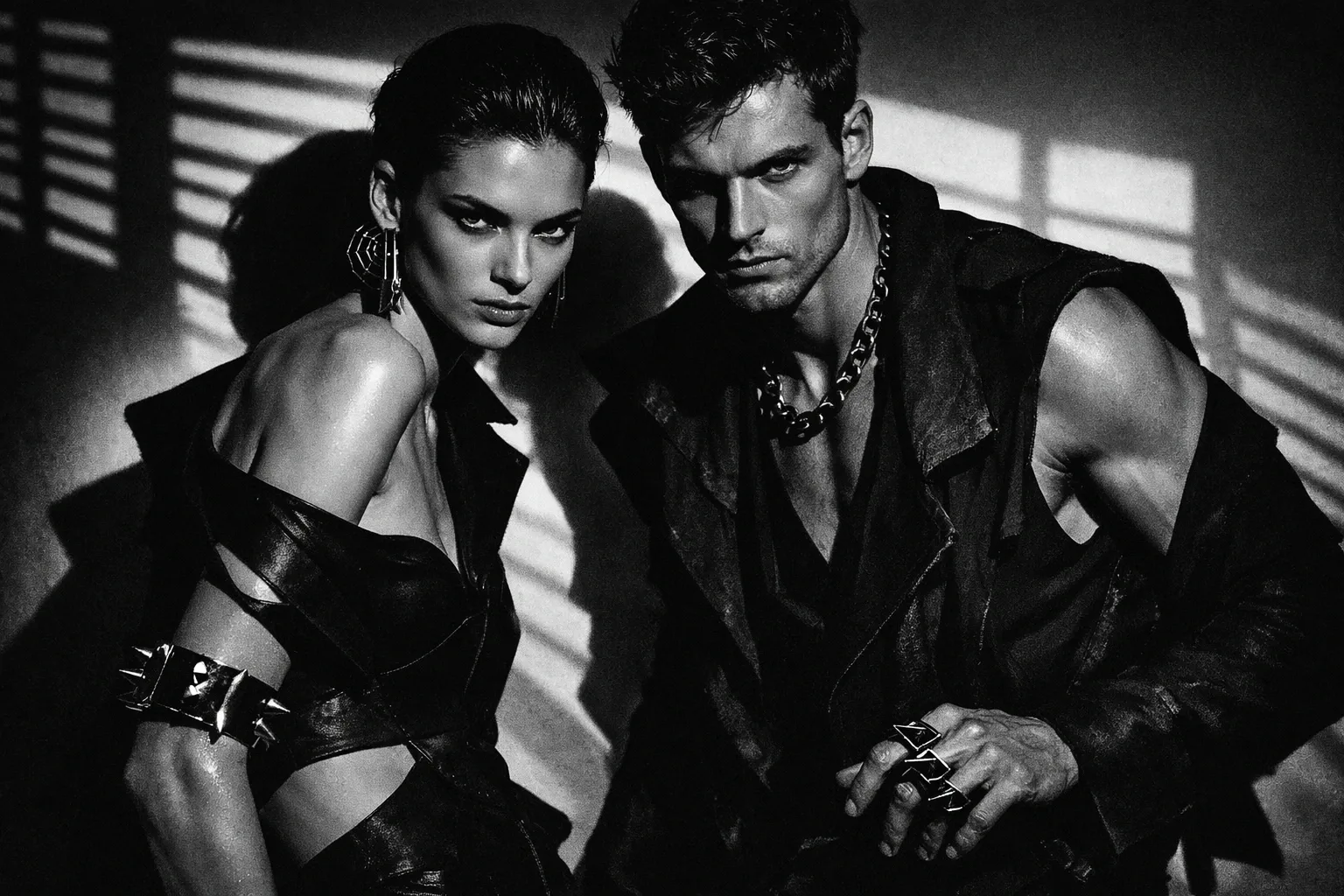
Icon occupies an unusual space in the Lush catalog, it's sophisticated where much of the line leans playful, dark where others are bright. The Byronesque positioning that Lush itself uses is apt: this is a fragrance for someone who stays up late, who works by candlelight, who cares about the aesthetic of things without needing to announce it. It doesn't fit neatly into Lush's bath-bomb identity, which is probably why it's endured. Among niche fragrance collectors, Icon is recognized as an outlier, resinous, confident, and more complex than its high-street origins might suggest. The 1999 launch date places it firmly in the era of full-bodied orientals, and it holds its own against that generation of fragrances without apology.
The House
LushLush is a British cosmetics company founded in Poole, England, in 1994 by trichologist Mark Constantine, his wife Mo Constantine, and five additional co-founders. The brand gained international recognition for its hand-pressed bath bombs, which Mo Constantine invented in her garden shed in 1989. Now operating in 49 countries, Lush has evolved from a single High Street shop into a global retailer while maintaining its commitment to ethical manufacturing and cruelty-free products. In-house perfumers Mark Constantine OBE, Emma Vincent, and Alina Gliwinska create the brand's fine fragrances, which are presented through the Perfume Library concept stores in Liverpool, Florence, and London. The fragrance collection spans over 230 perfumes dating back to 1989, organized into thematic volumes that serve as milestones in the brand's perfumery history.
The Creator
Mark ConstantineConstantine's style resists easy categorization because he never formally trained within the classical French system. Instead, he developed what industry observers call a raw materials approach, favoring strong concentrations of recognizable ingredients over sophisticated mole…