The Story
Why it exists.
The beginning
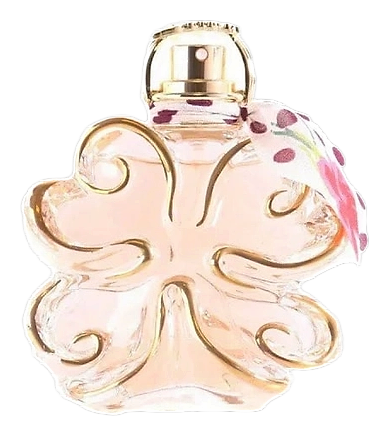
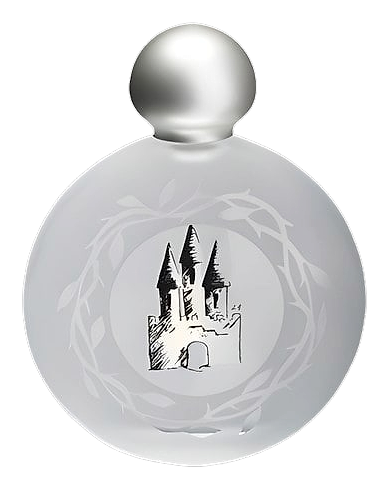
In 2003, the Lulu Guinness team approached Rodrigo Flores-Roux with a brief that defied expectation. The name suggested abundance, a bed of roses, thick with petals, but the idea was actually restraint. A rose that doesn't announce itself. One that lives close to skin, revealed rather than declared. Flores-Roux built the composition around a single conceit: what if the rose arrived on a breath of ozonic air, already halfway to memory? The result was a fragrance that honored the brand's tongue-in-cheek confidence while subverting every assumption the name made.
The choice of Malmaison rose as the heart is the quiet key to everything. Named for the French palace where Josephine grew her roses, this variety carries a refined, powdery elegance rather than heavy sweetness. Paired with May rose for its green-floral lift and Turkish rose for intensity, the heart avoids the syrupy density of traditional rose scents. Instead, it floats, supported by violet leaf and sweet pea in the opening, held aloft by ozonic accords that give the entire composition its characteristic freshness. The base of vetiver and heliotrope provides the contrast that makes the whole thing memorable: warm, close, and lingering long after the petals have gone.
The evolution
The opening hits green and ozonic, violet leaf first, crisp as a snapped stem, then sweet pea's gentle sweetness threading through. The litchi arrives cool and aqueous, pushing the whole thing toward something that smells like air after rain rather than flowers in a vase. Within twenty minutes the roses begin their takeover. Not all at once, the Malmaison rose introduces itself quietly, powdery and refined, while May rose adds a fresher note above. Turkish rose lingers longest in the heart, giving the middle stage a subtle intensity. The drydown is where the fragrance makes its case for wearing again: heliotrope's almond softness meeting orris root's powdery violet and vetiver's earthy grip. The vetiver lasts longest, a warm, slightly rooty note that settles into skin like a second layer. On most skin types, expect four to six hours. The sillage stays moderate throughout. It never shouts.
Cultural impact
Life's a Bed of Roses arrived in 2003 as part of a brief fragrance collection from a brand better known for handbags and bold accessories. The timing placed it alongside a wave of aquatic-floral fragrances that defined the early 2000s, but its powdery rose character and intimate sillage set it apart from louder contemporaries. The name became its own statement, a wink at expectation, a promise the fragrance quietly declined to keep. For wearers who found it, the appeal was precisely that refusal: a rose that didn't perform, that stayed close, that felt discovered rather than announced.