The Story
Why it exists.
The beginning
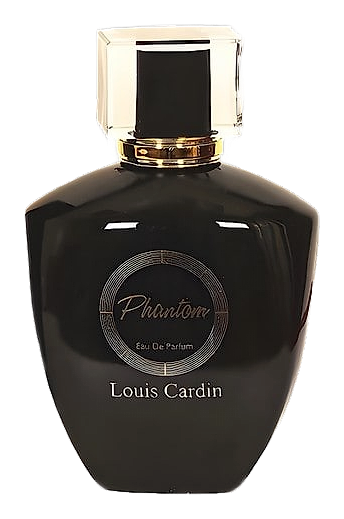
Phantom arrived in 2019 from Louis Cardin, a house that started building watches in the United Arab Emirates before adding fragrance to its catalogue in 2011. The brand treats perfume the way a watchmaker treats a movement, measured, balanced, and built to run consistently batch after batch. Phantom fits that brief. It is a composition designed with the same kind of structural discipline the company brings to its timepieces. A scent engineered to perform rather than to surprise.
The opening leans into sharp, aromatic herbs rather than the sweet citrus most masculine orientals reach for first. Oregano and allspice sit alongside bergamot, giving the first thirty minutes a warm-spicy lift that feels closer to a kitchen in winter than a cologne counter. That choice sets up the heart, where labdanum and opoponax build a dense amber resin layer. The base adds oud, leather, and sandalwood, grounding the composition in the kind of smoky, balsamic territory where Louis Cardin has carved space in the regional market.
The evolution
The first fifteen minutes belong to oregano and bergamot. Bright, slightly herbal, with a peppery edge from allspice that keeps it from reading as a standard citrus opening. By the thirty-minute mark the citrus recedes and labdanum takes over, pulling the scent into a sticky, resinous warmth. Opoponax adds a sweet-smoky undertone that bridges into the heart. From hour two onward, the base takes command. Leather arrives first, dry and cured, then oud surfaces underneath it, not sharp or animalic but smooth and slightly medicinal. Patchouli and sandalwood settle into the final hours, giving the drydown a woody, almost creamy backbone. The scent holds steady for around 6 hours, staying moderate in projection, present on skin the next morning as a faint amber-leather trace.
Cultural impact
Phantom by Louis Cardin entered the market in 2019 as part of a wider Gulf fragrance wave that pushed regional oud-amber houses into the global conversation. Its oregano-led opening reads as a deliberate counter-signal to the more familiar citrus openings of European designer releases, giving the scent a regional fingerprint that wearers outside the UAE often clock within minutes. In online collector circles it functions as an accessible bridge between traditional Arabic perfumery and the bottle-on-the-shelf format sold through mainstream retail, and the 100 ml presentation keeps it within reach of buyers who cannot stretch to niche pricing.