
The Story
Why it exists.
The beginning
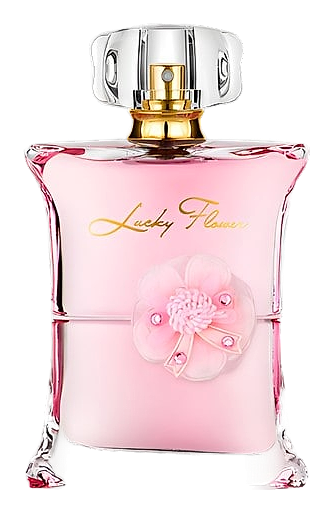
Lucky Flower arrived in 2015, entering a Lonkoom catalog already building a quiet reputation for accessible, clear-eyed compositions. The brief was simple on paper: create a floral that didn't announce itself. Something that felt inevitable rather than constructed. The name came first, 'lucky' as a state of mind, 'flower' as the raw material. Not a specific bloom, but the idea of blooming: the moment petals open and the air changes. The perfumer worked with the citrus florals as a foundation, letting mandarin and bergamot set a tone of morning clarity before the powdery florals took over.
What makes Lucky Flower stand apart is the powdery quality threading through every layer. Violet and rose absolute give it that vintage softness, but gardenia and jasmine keep it modern, preventing it from tipping into nostalgia. The tonka bean in the base is the quiet workhorse here: sweet without being gourmand, warm without being heavy. Sandalwood grounds it, musk softens everything, and the result is a fragrance that feels worn rather than applied. It's the olfactory equivalent of cashmere that's been washed a hundred times.
The evolution
The opening lasts about ten minutes, bright, awake, almost sharp. Mandarin orange and bergamot arrive together, Sicilian lemon adding a zest that catches the light. Then the citrus recedes and the florals take over. Violet is the first to bloom, powdery and immediate. Rose absolute follows, adding depth without heaviness. Gardenia and jasmine lift the composition, while lily adds a green undertone that keeps everything from flattening. By the second hour, the base notes arrive. Powdery Notes and tonka bean settle into the skin, warm and intimate. Sandalwood and musk create a quiet foundation that holds for another four to five hours. The drydown is skin-close, soft, and lingers until the next shower.
Cultural impact
Citrus-forward fragrances like Lucky Flower sit at the crossroads of fresh and approachable. These scents have roots in Mediterranean traditions where citrus groves symbolized purity and good fortune. In modern fragrance culture, bright citrus openings have become shorthand for accessibility, making bold scents feel wearable for everyday moments rather than special occasions. Lonkoom taps into this with a formula that reads as neither too casual nor overly precious, landing in that sweet spot where college students and office workers reach for the same bottle. The 'lucky' branding also echoes a broader cultural trend toward fragrance names that promise positive energy rather than exotic mystery.