
The Story
Why it exists.
The beginning
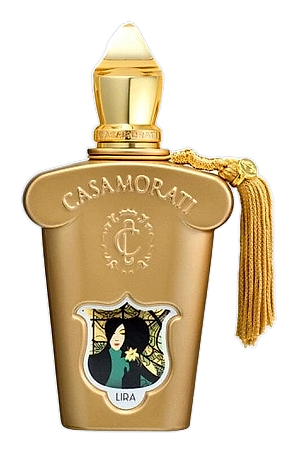
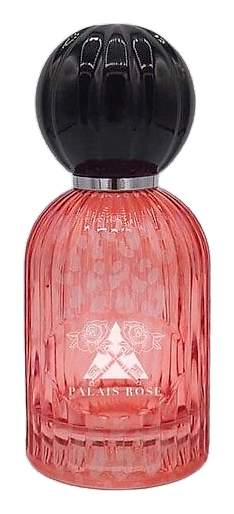
The fragrance is inspired by the Belle Époque and the legendary patronage of Marchesa Casati Stampa. Her Palais was the stage for excess and eccentricity, where the artistic and social elite came to be seen and to see. The scent captures that spirit: a rose that commands attention, bold and theatrical, but with an edge that keeps it from slipping into simple sweetness. It's a fragrance that wants to be noticed, that refuses to disappear into the background, that carries the weight of artistic ambition in every note.
The structure is deliberately paradoxical, sharp and sweet, bright and deep. The rhubarb opens tart and assertive, cutting through the softness of lychee and pear. It's an unusual choice for a rose-centered fragrance, but it earns its place: the tartness keeps the peony honest, prevents it from sliding into the merely pretty. Ambergris appears twice in the pyramid, bridging top and base, a reminder that beauty and the beast are often the same sentence. Musk provides a subtle warmth underneath, while the plant sap adds an unexpected green complexity that ties everything together.
The evolution
It announces itself. Rhubarb, litchi, and a burst of citrus hit first, bright and tart, sharp in its clarity. As the composition develops, the peony arrives and softens the initial edge. The sweetness deepens as sugar and freesia layer in, but there's always something pulling back, a slight bitterness from petitgrain that keeps it interesting. Over time, ambergris and oakmoss settle into something warm and lasting. The fragrance stays close to the skin for hours after that, lingering in a way that rewards attention, a presence that someone standing beside you will gradually discover rather than one that dominates the room from across it.
Cultural impact
Palais Rose arrived as part of a new wave of maximalist niche compositions. The combination of rhubarb, peony, and ambergris places it in conversation with contemporary floral fragrances, though the oakmoss drydown sets it apart from more straightforward entries in the genre. It's a fragrance that takes risks, that refuses easy categorization, that demands something from both the wearer and the observer. In a landscape of safe, mass-pleasing releases, it stands as an argument for ambition.