
The Story
Why it exists.
The beginning
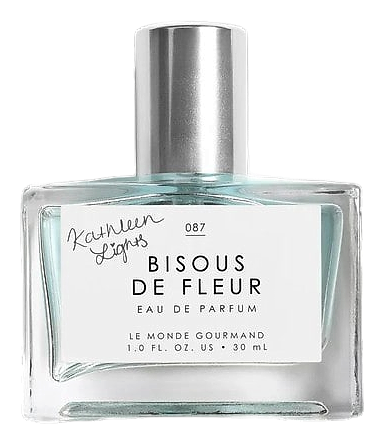
Bisous de Fleur arrived in 2025 as a statement of intent from Le Monde Gourmand. Tender, romantic, a little old-fashioned in the best way. The fragrance was built around the idea that softness isn't the opposite of presence. Softness, here, is what makes people lean in.
What makes the structure work is the way the opening resists expectation. Salt usually anchors heavier compositions, but here it amplifies the citrus instead, pushing the bergamot and lemon into something brighter than they should be alone. The pear keeps it from sharpening. Then orris enters the conversation, bringing its powdery iris character to bridge the gap between the sparkling top and the cashmere-warm base. It's a composition that knows when to speak and when to let the notes breathe.
The evolution
The first minutes belong to citrus and salt, a combination that reads like morning air near the coast. Bergamot takes the lead, lemon follows, and the pear sweetens the edges just enough. As the salt recedes, the orris steps forward, softer now, almost powdery. The white tea adds a clean astringency that keeps the heart from getting heavy. Cashmere wood arrives slowly, wrapping everything in warmth without sweetness. Amber and musk settle close to the skin, vetiver grounding them with something earthier. This is the phase that lasts: a substantial, lingering presence that rewards attention rather than demanding it. The drydown is where Bisous de Fleur earns its name. Warm, enveloping, the kind of fragrance that remains present long after application.
Cultural impact
Bisous de Fleur offers a counterpoint to the loud, performative fragrances that dominate modern releases. It suggests that sophistication might live in restraint. The launch reflects a broader interest in compositions that reward attention rather than demand it. Le Monde Gourmand has built an audience on thoughtful pricing and relatable themes. This fragrance extends that philosophy into a more refined register.