The Story
Why it exists.
The beginning
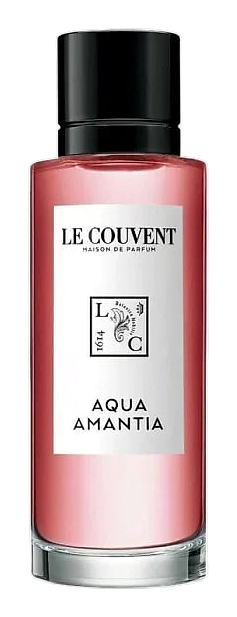
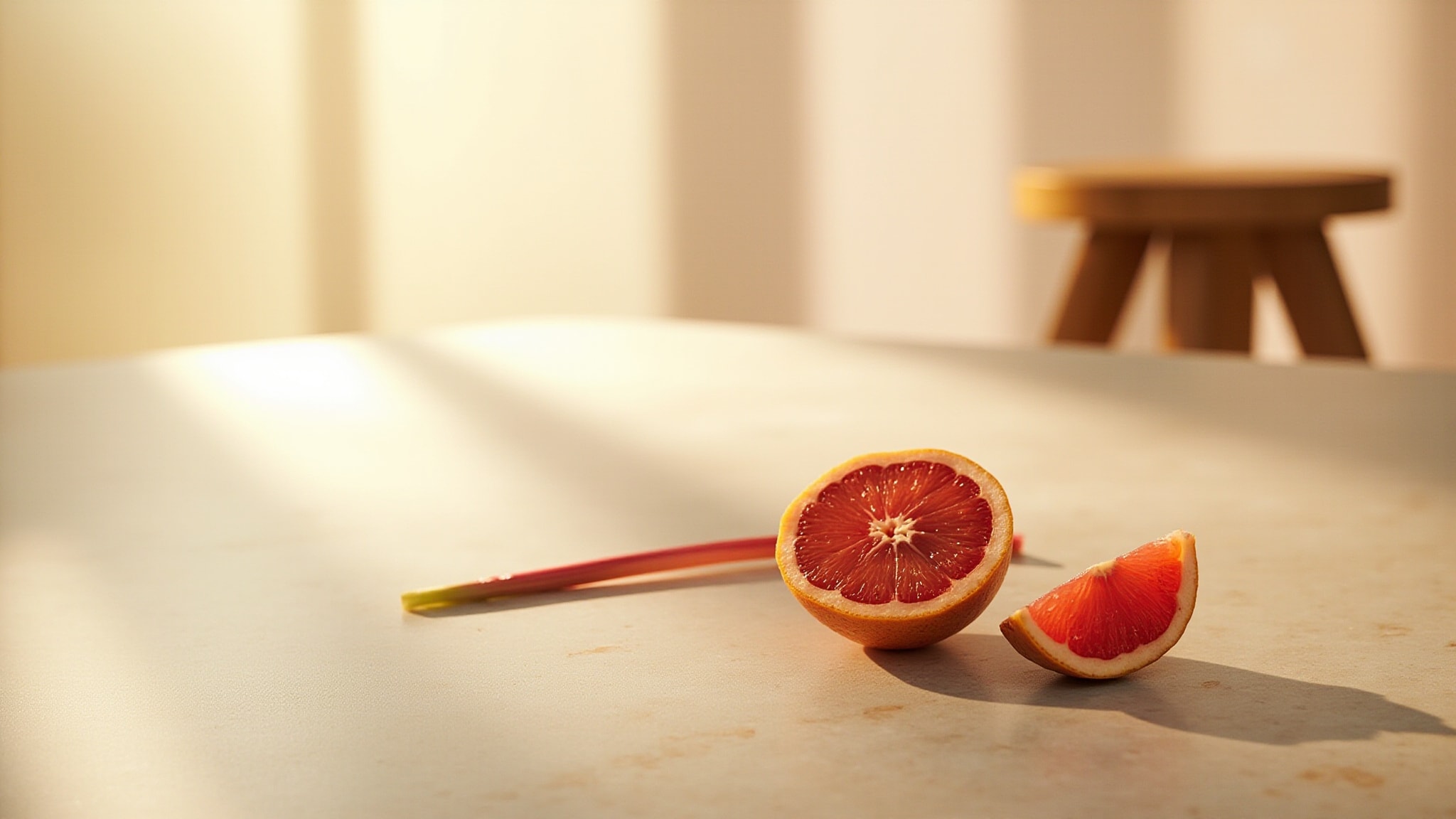
Aqua Amantia arrived in 2020 as part of Le Couvent's lighter, fresher conversation. This one slips outside into the garden itself, a study in clarity rather than ornament. Amélie Bourgeois composed it as an exercise in restraint: one bright citrus, one tart stem, one warm seed, one dry wood. The kind of formulation that trusts the materials to carry it without embellishment, letting each ingredient speak in its own register. Grapefruit opens with a clean, almost sunlit sharpness that feels immediate and unforced, the way citrus smells when it's pressed fresh rather than stripped for effect. Rhubarb folds in quickly, lending a vegetal tartness that recalls the green snap of a cut stem, slightly bitter, slightly sweet, and deeply alive.
Four notes is a bold bet. Aqua Amantia doesn't pad its composition to justify the bottle. Grapefruit does the brightening, rhubarb supplies a vegetal tartness that reads almost like the green stem of a cut flower, ambrette seed absolute brings a musky, slightly pear-skin warmth that keeps the citrus from feeling clinical, and cedar grounds the whole thing in something dry and architectural. The combination works because each material pulls its weight and none of them are fighting for attention.
The evolution
The first ten minutes are pure grapefruit, but the real kind, the kind with the pith bitterness showing through the juice. No candy sweetness, no candy-bright aromachemical lift. It's a slightly sour, slightly sharp citrus that registers more like biting into the fruit than like a room spray. Around the fifteen-minute mark the rhubarb arrives, and this is where things get interesting. It pushes the grapefruit from bright into tart, adds a vegetal greenness that sits like a stem held between your teeth. The combination reads clean but not soapy, fresh but not synthetic. By the thirty-minute point the ambrette seed has settled into the composition like a second skin, and this is what separates Aqua Amantia from a hundred other grapefruit openings. That ambrette brings a warm, slightly musky, almost-skinlike quality that rounds the citrus into something that smells like a person rather than a fruit. The cedar shows up quietly in the background around the two-hour mark, adding a dry, clean woodiness that keeps everything from collapsing into sweetness.
Cultural impact
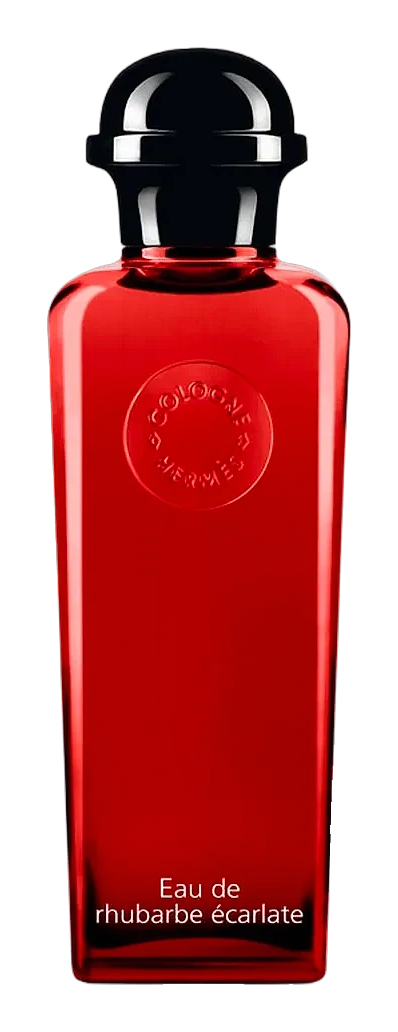
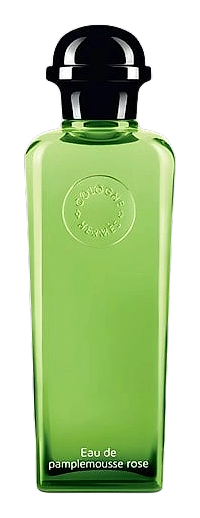
Aqua Amantia sits in the lighter, more accessible corner of Le Couvent's lineup, a composition that reads as both modern and quietly nostalgic. Compared to something like Hermès' Eau de Rhubarbe Écarlate, it shares the tart-stem sensibility but pulls warmer and less green, trading some of that fragrance's crystalline clarity for a softer, more fleshed-out drydown. For anyone burned out on sharp, aquatic citrus fragrances, this one offers the same brightness with a softer landing.