
The Story
Why it exists.
The beginning
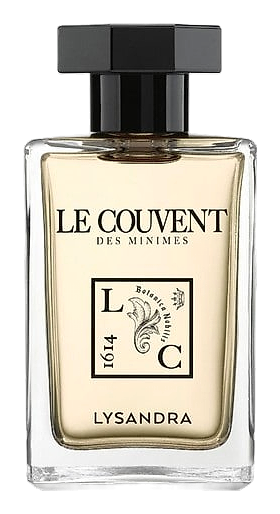
Lysandra was conceived by Jean-Claude Ellena, working alongside Jérôme Di Marino, as a study in controlled lightness: the olfactory equivalent of wings opening in a garden clearing. The intent was to create something that floats without disappearing, graceful without being precious. What emerged is a white floral that refuses to announce itself. Just jasmine, vetiver, and labdanum arranged around a single idea: the moment a butterfly lands and you forget to breathe so you don't scare it away. The jasmine brings a soft, indolic presence that some read as vintage and others read as timeless, a quality that anchors the whole composition. Vetiver provides an earthy smokiness that roots the scent to skin rather than floating away.
Jasmine Grandiflorum absolute is the engine here, and its quality matters. This particular variety carries a natural powdery signature, creating a white floral that whispers and somehow fills the room. The labdanum doesn't compete; it deepens. Combined with vetiver's earthy smokiness, you get a base that prevents the whole composition from feeling like a greeting card. The mandarin top is bright, yes, but brief, a few minutes of citrus sparkle before the jasmine takes the stage and doesn't leave it. This is restraint deployed as a weapon. Most fragrances add notes to seem more complex.
The evolution
The opening arrives like light through a window, mandarin, clean and immediate, lasting long enough to catch your attention before stepping aside. Then the jasmine asserts itself. Not with drama. With weight. A soft, indolic presence that some noses read as vintage and others read as timeless, depending on what they grew up smelling. The vetiver turns the composition earthward, suddenly there's something beneath the petals, something that roots the whole thing to skin. The labdanum appears here too, adding a faint resinous warmth that keeps the drydown from going dry entirely. By hour two, you're left with powder, woodsmoke, and the ghost of flowers. It doesn't throw. It lingers, close, intimate, the kind of presence you notice when someone leans in.
Cultural impact
Le Couvent emerged with a mission to translate monastic restraint into contemporary perfumery. The brand draws from centuries of sensory practice where scent was used as a tool for focus, contemplation, and atmosphere rather than mere decoration. Lysandra, launched in 2019, exemplifies this approach by centering on quietude rather than spectacle. In an industry where niche fragrances often compete for attention through complexity and loudness, Lysandra's measured composition represents a counterpoint. The fragrance's quiet confidence mirrors broader cultural shifts toward intentional consumption and rejection of overstimulation.