
The Story
Why it exists.
The beginning
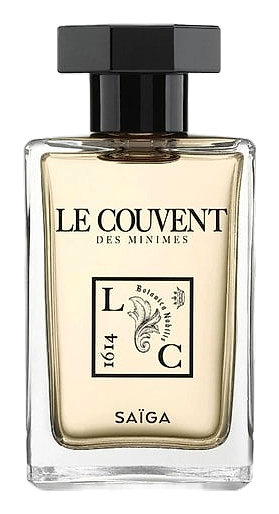
The Saiga antelope moves across Eurasian steppes with a grace that belies its odd, translucent snout. In 2019, Jean-Claude Ellena and Céline Ripert looked to that animal, swift, slight, unexpected, as the namesake for this composition. The idea wasn't power. It was agility. A fragrance that arrives, makes its impression, and moves on before you can pin it down. Ellena himself described it as having "subtle elegance", which tells you exactly where his attention was. Not the sillage, not the throw. The restraint.
Blackcurrant bud absolute is a demanding material. It carries a green, tangy, almost puckering quality that can read as harsh if not handled carefully. In Saiga, that sharpness is the point, it's the brief flash of the Saiga's silhouette before it settles into stillness. The Rosa centifolia that follows doesn't soften it so much as redirect it: the tart becomes a foil for something richer, fuller, more natural than a synthetic rose accord. Cedarwood then grounds everything without overwhelming. The three notes aren't trying to do too much, which is, perhaps, the most Le Couvent thing about them.
The evolution
The opening hits with blackcurrant bud's characteristic sour-green bite, the kind that makes your mouth pucker slightly before it resolves. Within minutes, Rosa centifolia appears: full, heady, but without the syrupy sweetness of mass-market rose. There's something natural about it, even slightly dusty, as if you're smelling the stems along with the petals. The cedar arrives in the drydown, dry and pencil-shaving, keeping the sillage moderate and the projection close. What lingers closest to the skin is the rose itself, still present, still quiet, softened by cedar into something intimate and personal.
Cultural impact
Saiga occupies a quiet corner of the niche world, not a statement fragrance, not a crowd-pleaser, but something for the wearer who notices the quality of a single rose in a room. The blackcurrant bud note is distinctive enough to draw conversation from those who know what they're smelling, while the overall restraint keeps it from overwhelming. In a market where complexity often reads as value, Saiga's three-note simplicity is a quiet argument for clarity.