The Story
Why it exists.
The beginning
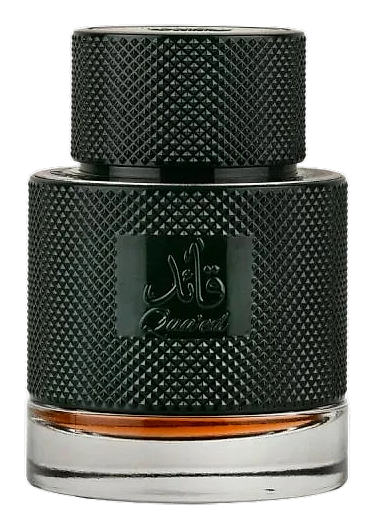
Qaa'ed Al Shabaab arrived in 2021 with a specific mission: challenge the assumption that leather fragrances must punish. The word 'shabaab' means youth, and there's something youthful in the fragrance's refusal to stay heavy. The perfumer built upward from a deep leather base, threading ylang-ylang and osmanthus through the structure not as decoration but as structural support, keeping the oud and amber from becoming syrupy, giving the cedar room to breathe. This is leather with a pulse, not just leather with presence.
The unusual pairing of ylang-ylang and osmanthus in the top is what separates this from the pack. Both are yellow florals, golden, fruity, with a plum-like sweetness that reads almost like ripe fruit rather than traditional floral. In most Western perfumery, leather dominates and everything else serves it. Here, the florals push back. They don't soften the leather, they complicate it. The result is a fragrance that announces itself but rewards attention. The osmanthus especially adds a apricot-tea quality that evolves as the leather deepens, giving the wearer something new to notice hours into the drydown.
The evolution
The opening is the test. That rubbery, almost kerosene-adjacent note hits immediately, no apology, no warmup. This is the fragrance demanding your attention before you've asked for it. Give it twenty minutes. The ylang-ylang and osmanthus arrive like a draft through an open window, pushing back against the aggression with their golden sweetness. By the second hour, the leather owns the stage, warm, photorealistic, the kind that makes people think of worn saddles and leather steering wheels. Cedar keeps it from cloying. Into the base, oud and amber pool close to the skin. On fabric, it lingers into the next day. The floral doesn't disappear, it becomes a memory woven through the leather, a faint sweetness that reminds you this isn't just brute force.
Cultural impact
Qaa'ed Al Shabaab has developed a following among fragrance enthusiasts who appreciate beast-mode performance without niche pricing. Community reviews consistently compare it favorably to fragrances costing several times more, particularly those in the leather-oud category. The polarizing opening (that rubbery, almost kerosene-like first impression) has become part of its reputation: wearers either love the assertiveness or learn to wait it out. What keeps people coming back is the drydown, a photorealistic leather that evolves into warm oud and amber, lasting well into the next day on fabric. For those exploring Middle Eastern fragrances, it represents accessible entry into the leather-oud genre without the blind-buy risk of paying hundreds for a niche bottle.