
The Story
Why it exists.
The beginning
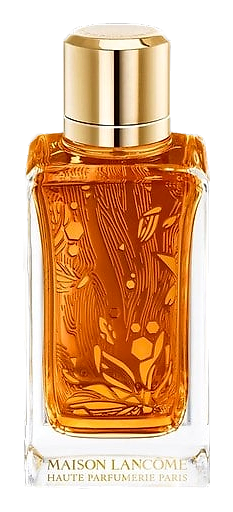
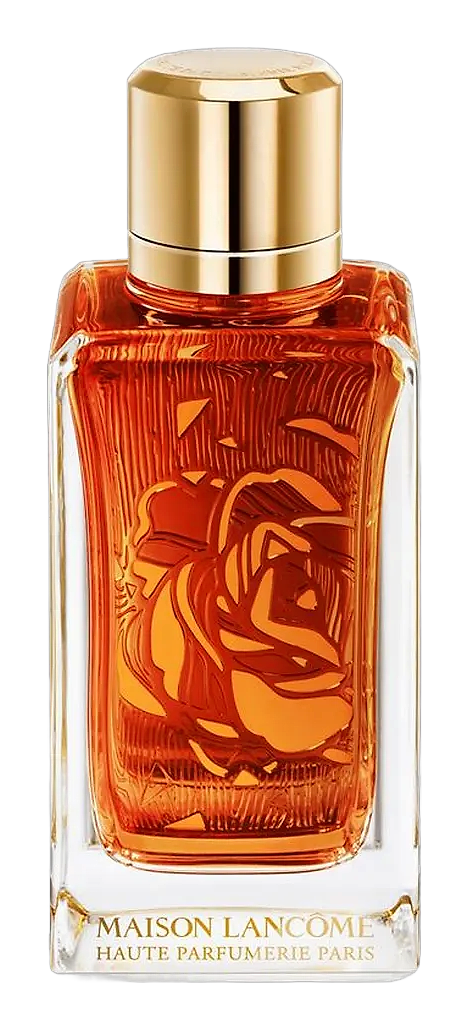
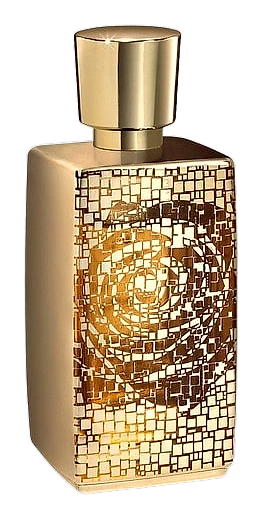
L'Autre Oud belongs to Maison Lancôme's collection of Grands Crus, the house's answer to the question of what French perfumery can still say when it reaches for something honest. This is not a polite fragrance. The name means 'the other oud,' and the intention is right there: oud, yes, but not the version you've already smelled. The perfumer built it around a tension, the clean and the dark, the rose and the resin, the French refinement and the raw material that refuses to behave. There's an austere quality to the opening, a mineral sharpness that catches you off guard before the rose arrives to soften what came before. The oud itself is present without being overwhelming, a note that anchors the composition without dominating it.
What makes this structure interesting is the cypriol and labdanum opening, not typical oud entry points. They create a cool, almost smoky top that reads almost mineral before the rose appears. Bulgarian rose in the heart is dewy and sharp at once, not the jammy kind. Then the base layers guaiac wood, patchouli, myrrh, and moss over oud, a warm, resinous foundation that takes its time. The result is a fragrance that smells expensive without smelling safe.
The evolution
The first minutes are the test. Saffron and cypriol arrive sharp, almost astringent, a brief medicinal edge that some wearers report as numbing before it softens. Then the Bulgarian rose enters. Not sweet. Not soft. Cool and present, like the moment before a door opens. The base is where oud finally arrives: warm, resinous, slightly smoky, with moss and vetiver keeping things grounded. That's the payoff, the oud that earns its name.
Cultural impact
L'Autre Oud presents a rose-oud pairing with a difference. The mineral opening, the cool heart, the mossy drydown set it apart from more predictable iterations of this combination. It's a fragrance that doesn't announce itself loudly, instead asking you to lean in and notice what it's doing. The restraint is part of the appeal, the refusal to sweeten or soften what oud actually is. For those who connect with it, the connection tends to run deep, built on the fact that this particular interpretation rewards patience and repeated wearing.
The House
LancômeLancôme stands as one of France's most enduring luxury beauty houses, a name synonymous with elegant femininity and the art of French perfumery. Founded in 1935 by Armand Petitjean, the house emerged during economic uncertainty with a clear mission: to bring prestige back to beauty after witnessing the mass-market drift of his former employer. Today, operating under L'Oréal's luxury division, Lancôme balances heritage with modernity, crafting fragrances like La Vie Est Belle and Trésor that have become global icons while maintaining the golden rose emblem that has marked its bottles for nearly ninety years.
The Creator
Christophe RaynaudWhile it's difficult to pinpoint a single defining characteristic across all of Raynaud's creations, there's often a sense of balance and sophistication. He's not necessarily known for overly avant-garde or challenging compositions; instead, he seems to favor well-structured f…