The Story
Why it exists.
The beginning
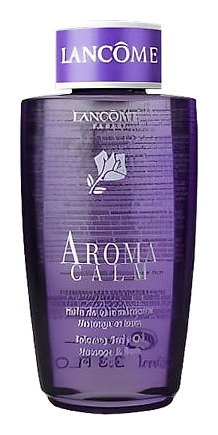
Aroma Calm arrived in 2000 from perfumer Alain Astori, joining Lancôme's Aroma collection that included body-focused compositions designed for specific moods and moments. The name says everything: this was meant to calm, to soften, to create a bubble of tranquility around the wearer. Astori worked within the woody-floral family, building around iris as the quiet anchor while letting cedar and rose support without overwhelming. It was never meant to shout. The 2000 launch placed it alongside a growing wellness fragrance movement, though Aroma Calm never chased trends, it simply existed for someone who wanted scent without performance.
What makes Aroma Calm interesting is its restraint. The iris-cedar-rose combination sounds simple, almost obvious, but Astori balanced them with a powdery quality that lifts the whole composition. The sandalwood and frankincense in the base add warmth without heaviness, making this feel intimate rather than projecting. Nutmeg appears as a whisper of spice, keeping the sweetness from becoming cloying. It's a study in what happens when a perfumer chooses to do less, and does it well. The result is a fragrance that feels personal, like something you'd find in a grandmother's vanity that somehow still works.
The evolution
The opening announces itself softly. Iris and cedar arrive together, neither leading, both settling into the skin like a held hand. Within minutes, rose joins, not the bright declarative rose of spring fragrances but something deeper, quieter, wrapped in powder. The drydown is where Aroma Calm earns its name. Three to four hours on most skin, close enough that only someone standing very near will notice. Cedar remains longest, warmed by sandalwood and that whisper of frankincense. On fabric, it lasts through an evening. On skin, it becomes something private, a scent you wear for yourself as much as anyone else.
Cultural impact
Aroma Calm never achieved the mainstream recognition of Lancôme's blockbuster releases, but among those who knew it, the sentiment runs strong. Described by fans as preferable to Hypnôse (released five years later), Aroma Calm occupies a particular niche: the discontinued fragrance people regret not buying more of. Its powdery-woody character places it in the company of quiet, skin-close compositions that prioritize comfort over performance. In the years since its apparent discontinuation, it has become a quiet grail for those who value softness over projection.