The Story
Why it exists.
The beginning
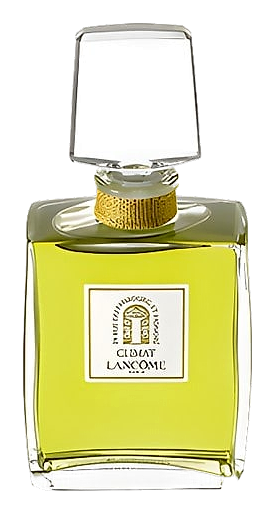
Climat arrived in 1967, created by perfumer Gerard Goupy for Lancôme. The name itself is the concept, a 'climat' evokes atmosphere, mood, the particular quality of light and air in a place. Goupy was building a fragrance around the idea of spring itself: green, fresh, alive with possibility. It wasn't about capturing a flower. It was about capturing the moment the garden wakes up.
What makes Climat unusual is the way the aldehydes thread through the entire composition rather than just opening it. In most fragrances, aldehydes are a first-act element, they lift the opening and then fade. Here, they persist, binding the green lily of the valley and cool narcissus to the warm, almost animalic base. The result is a fragrance that feels coherent from first spray to final drydown, each phase connected to the last by that aldehydic backbone. The civet doesn't arrive suddenly at the base, it's been waiting there all along, patient and present.
The evolution
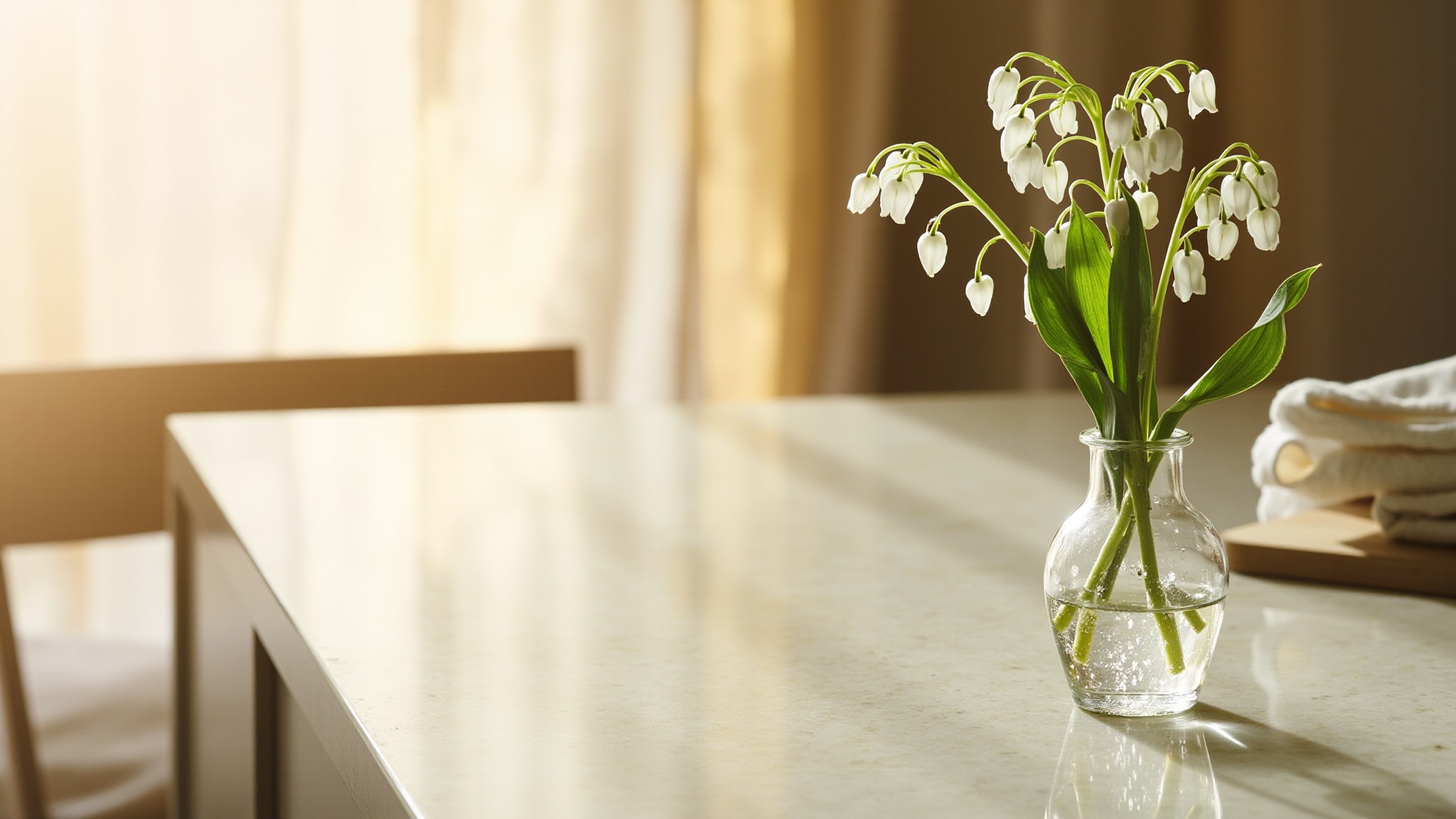
The opening is immediate: aldehydes bright and sparkling, like light through sheer curtains. Lily of the valley and bergamot arrive together, green, cool, with a crispness that feels like morning air. The Narcissus adds a slight indolic sweetness that keeps it from being too austere. Within twenty minutes, the heart begins to shift. Rosemary introduces an herbal, slightly camphorated edge that deepens the green character. The tuberose doesn't arrive as a solo act, it's woven into the composition, creamy but restrained, never heady. By the third hour, the drydown takes over. Civet and musk emerge as a warm, skin-close presence. Sandalwood and vetiver add a woody depth that feels both clean and animalic. The lily of the valley that opened the fragrance returns in the base, faint, ghostly, like a memory of the top notes. This one lasts. Eight to ten hours on most skin, with a sillage that starts strong and settles into something intimate and personal.
Cultural impact
Climat stands as a defining example of 1960s feminine perfumery, an aldehydic green floral that captured the era's spirit of renewal and optimism. It remains part of La Collection Fragrances, Lancôme's heritage line dedicated to preserving its most significant compositions. The fragrance continues to attract collectors drawn to its complex aldehydic character.