
The Story
Why it exists.
The beginning
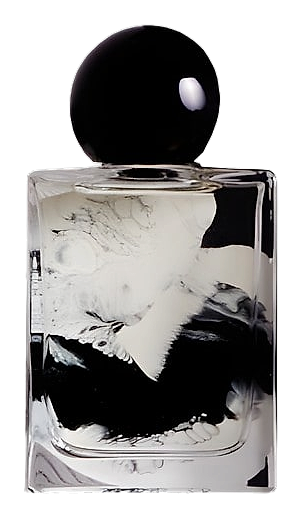
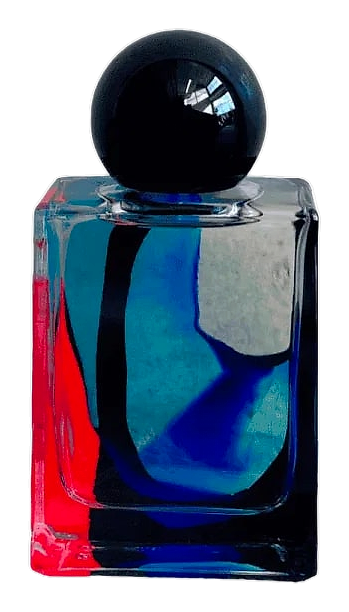
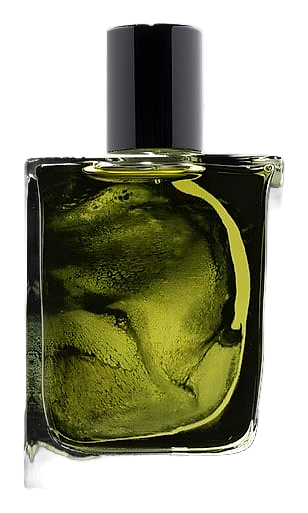
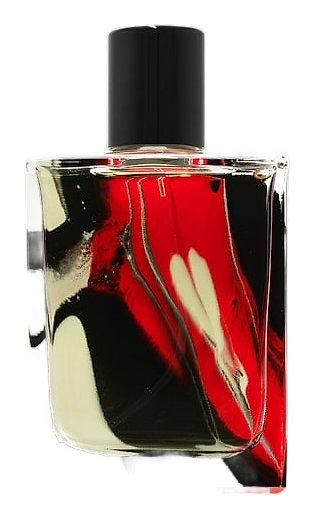
For Electra began with a track, translated into olfactory form by Mark Buxton in 2020. The fragrance shares its name with a figure from Greek tragedy, a name associated with complex emotional territory. The composition carries that weight, opening with a sharpness that announces its presence. It holds attention rather than asking for it quietly. The intensity builds through the middle notes, with green herbs and floral elements creating layers that shift as the wearer moves through the day. What emerges is a fragrance that refuses to be background noise, a statement piece in olfactory form that rewards those who engage with its full range.
What makes For Electra unusual is the way it holds two opposing states in tension without resolving them. The top is all cool herbs, basil and clary sage cutting through pink grapefruit, a freshness that commands attention. Underneath that green precision sits something warmer, a subtle musk that shifts the composition toward intimacy. The heart is rose, held up by galbanum and geranium, by a green presence that anchors the floral element firmly in place. Cashmere wood and vetiver in the base support the overall structure, giving it presence without becoming heavy.
The evolution
The opening begins with basil and pink grapefruit as the dominant notes, establishing the initial character before anything else surfaces. That initial sharpness softens as clary sage emerges, and the wildflowers begin to read as more than a simple garden. The rose announces itself as a presence within the composition, but it is not the rose of a straightforward floral fragrance. It sits alongside geranium leaves, supported by green elements that give it a sense of structure and permanence. In the base, vetiver and moss hold the whole composition close to skin, providing an earthy quality that stays intimate for the hours that follow. On fabric, the drydown extends through the day, cashmere wood providing a soft foundation, with subtle complexity that reveals itself gradually.
Cultural impact
For Electra occupies a specific space in contemporary fragrance culture, among the small cohort of art-world adjacent scents that treat composition as conceptual practice rather than commercial calculation. Wearers describe it as having an internal tension between sharp exterior and warm, intimate core. The community has associated it with late-night atmospheres, electropop energy, the particular charge of a space before it empties. It speaks to those who see fragrance as another medium for artistic expression, a way of carrying a particular sensibility into the world without announcement or explanation.
The House
La Folie a PlusieursLa Folie a Plusieurs is a fragrance house that treats scent as an artistic medium, creating perfumes in dialogue with works by visual artists, filmmakers, and writers. Founded in 2014 by Kaya Sorhaindo, the brand operates across Berlin and Paris, translating creative concepts into olfactory form rather than following traditional fragrance families or conventional brief structures. Each fragrance begins with an artist's work, which Sorhaindo then interprets through materials chosen in collaboration with independent perfumers. The result extends the original creative act into a new sensory dimension, inviting wearers to experience presence rather than recall the past. Museum boutiques across Europe and beyond serve as primary retail spaces, positioning these fragrances as cultural objects rather than conventional luxury goods. Notable works include Norwegian Wood (inspired by Haruki Murakami's novel), Kafka On The Shore (drawing from Murakami's companion text), and a perfume interpreting Yorgos Lanthimos' film The Lobster, developed with perfumer Mark Buxton. The brand's fragmented naming conventions, visible in titles like Me·Cha·No, Da·Cry, and As·Phyx·Io, reinforce the conceptual framework of dissolution and reinterpretation that underlies the entire project.
The Creator
Mark BuxtonMark favors a structural approach that starts with a strong base, often built from rare woods, ambergris substitutes, or aged resins. He layers these foundations with carefully selected heart notes—spices, florals or herbs—that add depth without overwhelming the base.