The Story
Why it exists.
The beginning
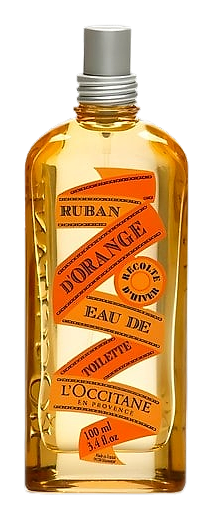
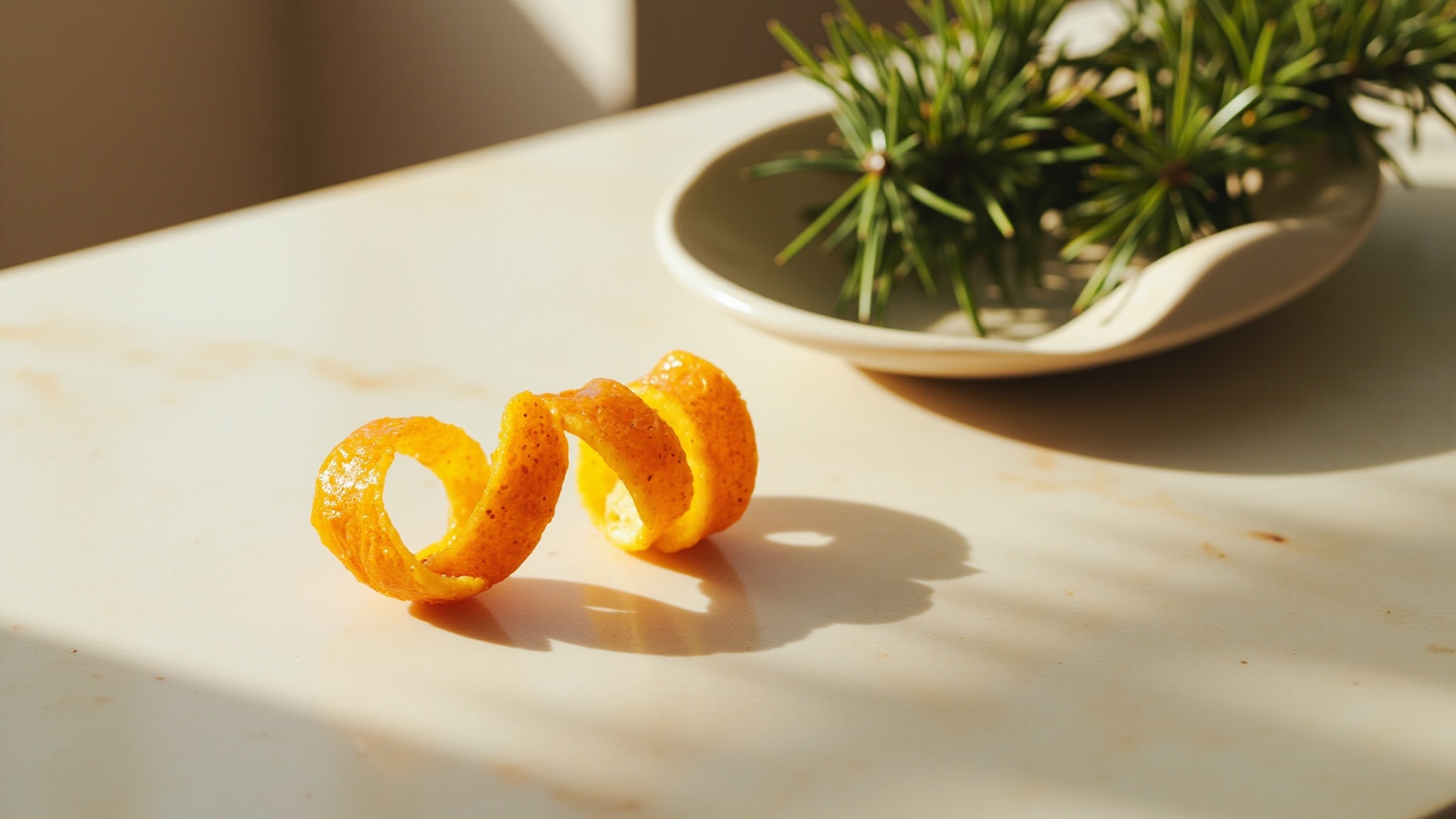
Ruban d'Orange arrived in 2006 as L'Occitane's answer to something specific: the citrus category was dominated by sharp, ephemeral fragrances that announced themselves loudly and disappeared faster. The name itself, Ruban d'Orange, ribbon of orange, suggests something winding and continuous, not a single note but a thread. The perfumer's intent, visible in the note structure, was to build a citrus that could hold warmth without losing its brightness. Every choice from the Sicilian orange to the fir and tonka bean speaks to a desire for something that could carry through a cold day without becoming a summer scent pretending to be something else.
What makes Ruban d'Orange structurally unusual is the way the sweet and bitter oranges sit side by side rather than layering into a single accord. Bitter orange (bigarade) brings a slightly floral, green edge that prevents the composition from becoming candied. The fir note, uncommon in citrus fragrances, functions as a cooling agent, a botanical counterpoint that reads almost minty against the orange. Tonka bean appears late but anchors everything before it, preventing the drydown from going thin. Cedar and vetiver are the quiet infrastructure: they don't announce themselves, but they keep the fragrance from disappearing when the citrus fades.
The evolution
The opening hits immediately with a dual citrus assault: bright mandarin oil and the zest of Sicilian orange, the kind that smells like you scraped the peel with your thumbnail. Thirty minutes in, the fir becomes apparent, a cool, almost mentholated green that keeps the sweetness honest. The bitter orange emerges as a slightly floral bridge, preventing the whole thing from sliding into candy territory. By the second hour, the citrus begins to recede, but tonka bean takes over before it disappears entirely. The drydown is where this fragrance earns its reputation: warm, slightly sweet, with vetiver adding a smoky earthiness and cedar providing a woody undertone that stays close to the skin for another two to three hours. On fabric, it lasts longer. The next morning, a faint warmth of tonka and cedar remains, like sun-warmed skin in a cold room.
Cultural impact
Released in 2006 as part of L'Occitane's broader citrus collection, Ruban d'Orange occupies a specific niche: the citrus fragrance for people who find most citrus fragrances too fleeting or too sharp. Its reception has been steady rather than spectacular, the kind of fragrance that doesn't generate buzz but earns loyalty. Wearers consistently describe it as the scent of someone who doesn't need to announce themselves, a quiet confidence in a bottle. In the context of L'Occitane's broader portfolio, it stands as one of the more versatile fragrances, worn equally by men and women, suited to daytime hours and cooler seasons, resistant to the seasons-and-occasions categorizations that constrain many fragrances.