
The Story
Why it exists.
The beginning
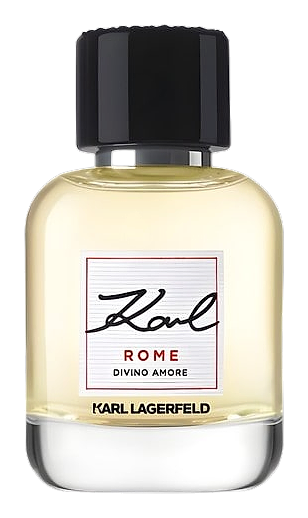
Emilie Bevierre-Coppermann designed Karl Rome Divino Amore for the Places by Karl collection, a line that translates real locations into scent. Rome, with its particular quality of late-afternoon light and the warmth that rises from stone in summer, became the brief. Not the postcard Rome. The one that belongs to the people who actually live there. The challenge was capturing a city's atmosphere in a bottle: the way light hits differently there, the specific warmth of a place that has been beautiful for centuries and knows it.
The white floral heart, orange blossom, orchid, jasmine, is not decoration here. It is structure. Those materials hold the citrus opening and carry it into the drydown, preventing the whole thing from evaporating too fast. Crystal amber bridges the gap between the floral warmth and the sandalwood base, giving the composition somewhere to land. Sandalwood from certified sources in India, worked into the formula to add cream without sweetness. The result is a fragrance that reads as cohesive rather than layered, one story, not a collection of notes fighting for attention.
The evolution
The opening lands crisp and clean: bitter orange, petitgrain, a hint of neroli that cools what could be sharp. Thirty minutes in, the orange blossom asserts itself, the bitter edge recedes, and what remains feels sun-warmed rather than synthetic. The heart holds for several hours. Orchid and jasmine trade the lead, jasmine bringing a natural sweetness that keeps the composition from feeling precious. Around hour three, the base begins to announce itself. Crystal amber arrives first, adding a faint warmth that prepares the skin for sandalwood and musk. The drydown is where this fragrance earns its reputation. Musk acts as a skin-amplifier here, it doesn't project outward so much as it makes the scent feel like it belongs to you. Sandalwood adds cream, amber adds warmth, and the whole thing settles into something intimate. Not the scent you smell across the room. The one someone notices when they lean in.
Cultural impact
The fragrance occupies a quiet corner of the market, not a statement fragrance, not a crowd-pleaser designed to perform at launch events. It is, instead, the kind of scent someone discovers when they are done chasing novelty and want something that works. Wearers describe it as the fragrance of someone who has moved past the idea that fragrance needs to announce itself. The orange blossom note draws particular praise, clean without being sterile, present without being loud. For those drawn to white florals but wary of the sweet, heady interpretations that dominate the category, this reads as a quieter, more confident option.