The Story
Why it exists.
The beginning
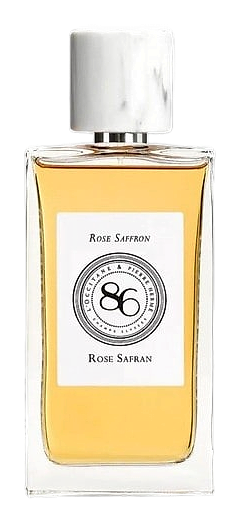
Rose Safran arrived in 2018 as part of L'Occitane's ongoing dialogue between Provençal botanicals and broader olfactory territory. The name says everything: two ingredients that rarely share a bottle, here held in quiet tension. Where rose demands softness, saffron insists on spice. Where rose flirts, saffron grounds. The house didn't try to resolve the contradiction, it leaned into it.
What makes this pairing work is the support structure underneath. May rose is drier and more complex than its Damask cousin, less petal-sweet, more botanical. The saffron doesn't sweeten it, it sharpens it, gives it an almost mineral edge that reads as warmth rather than softness. Then the cypress arrives to remind you this is still a Mediterranean fragrance at heart, green and aromatic beneath the spice. The base of myrrh and styrax does what L'Occitane does best: it turns the whole composition inward, intimate and skin-close, never loud.
The evolution
The citrus opening is gone within minutes, a quick flash of bergamot and bitter orange, there and retreating like someone who knows they don't need to stay. Then the saffron comes forward with its particular metallic warmth, almost dusty, threading through the citrus that hasn't fully left. The May rose arrives around the 15-minute mark, but it's not a traditional rose. It's dry, powdery even, softened by the cypress that keeps the composition from leaning too heavy. By the second hour, the drydown settles. The myrrh and styrax wrap close, the Akigalawood lending a woody warmth that doesn't announce itself. This is where it lives now, warm amber, close to the skin, moderate sillage that stays within arm's reach rather than filling the room. The rose-saffron core eventually fades into something cleaner, almost skin-like, in the final hours. That late-hour shift is the tell: the fragrance that started golden and spiced ends quiet, almost like wearing nothing at all.
Cultural impact
L'Occitane occupies a specific lane in fragrance: botanical authenticity without the exclusivity tax. Rose Safran sits comfortably within that identity, unisex in spirit, warm in execution, unapologetically close-wearing. It doesn't compete for attention. It rewards the wearer who chooses presence over performance, the kind of fragrance that someone notices only when they lean in.