The Story
Why it exists.
The beginning
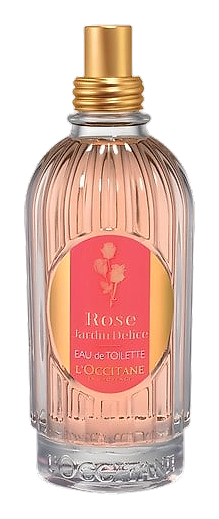
Rose Jardin Délice arrived in 2011 as part of L'Occitane's conversation with Provençal flora, translating the botanicals of southern France into something you can wear. The garden has always been central to the brand's identity, but this particular interpretation approaches rose differently. The fruit came first. Blackcurrant and litchi arrive before the petals, giving the rose something to respond to rather than simply amplify. The name, Jardin Délice, points to pleasure, abundance, the sensory richness of a garden in full bloom rather than a single perfect stem. It's a composition built around contrast and counterpoint, the tart against the soft, the fruit against the flower, all moving together toward a finish that feels both grounded and alive.
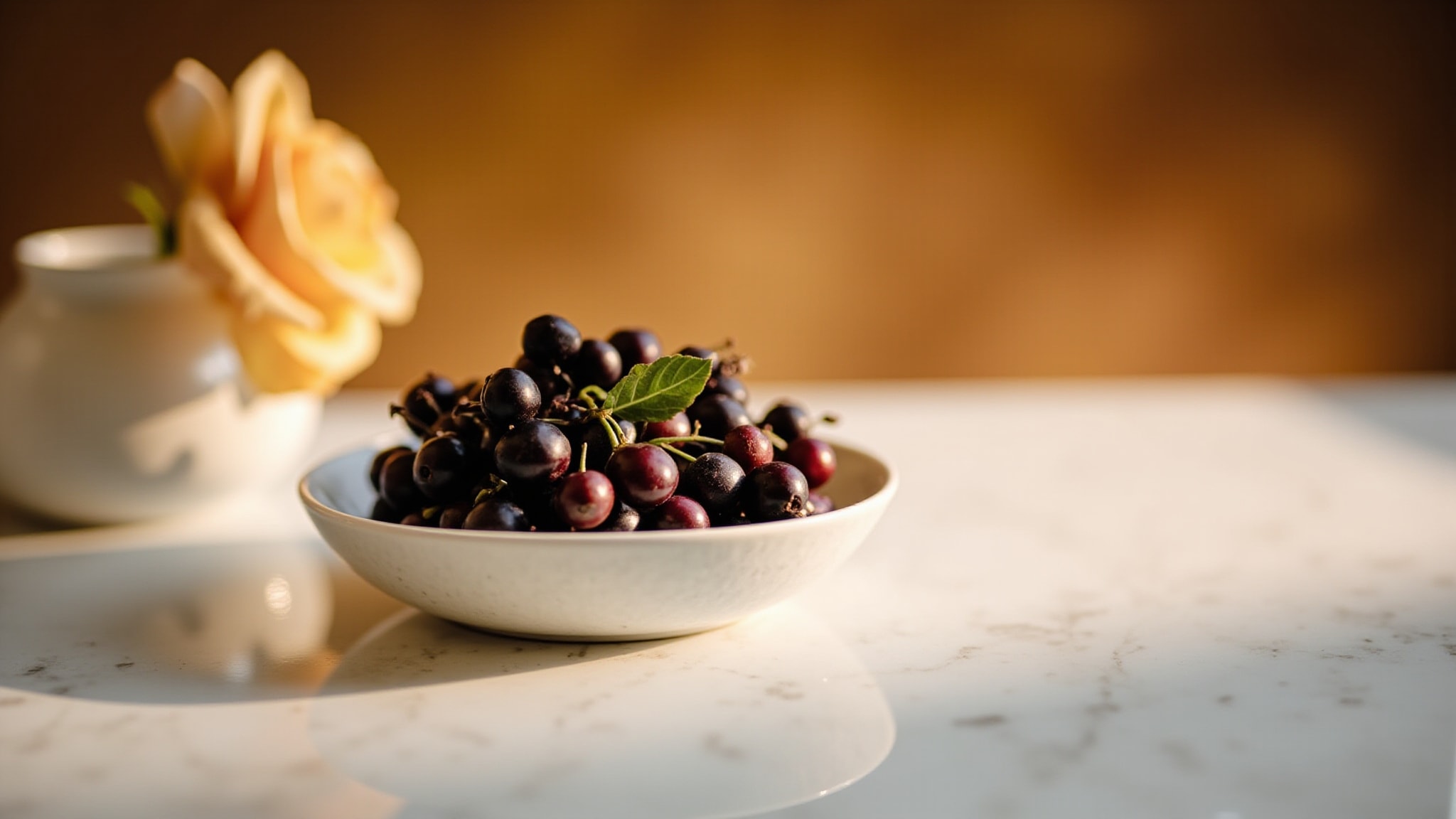
The note structure places rose between two fruity accords, tart blackcurrant and lychee in the opening, cranberry and raspberry supporting the heart. That architecture keeps the rose from becoming honeyed or heavy. Instead, the floral heart stays bright, almost crisp, because the surrounding notes won't let it settle. Cedar and sandalwood in the base prevent the whole composition from floating away entirely, grounding it with a warmth that arrives late and lingers quietly.
The evolution
The opening hits sharp and tart, blackcurrant leads, lychee follows with a translucent sweetness, bergamot keeps everything lifted. Within the first phase, the rose begins to assert itself, but the surrounding berry notes haven't fully retreated. They coexist, creating a phase that feels both floral and fruity, not one after the other, but layered and simultaneous. The cranberry and raspberry become more apparent as the bergamot fades, adding a deeper tartness to the heart. The rose has fully arrived and the fruity elements are retreating, leaving the petals to carry the composition. Cedar emerges from the base, warming the drydown in a way that feels grounded rather than heavy. Sandalwood follows, adding creaminess without sweetness. Musk stays close, intimate, skin-adjacent. The drydown, that cedar-sandalwood-musk foundation, lingers quietly on fabric.
Cultural impact
Rose Jardin Délice occupies a specific space in the floral-fruity category, less confectionery than many mainstream rose fragrances, more assertive than the quiet Provençal florals the house is known for. Within L'Occitane's own lineup, it sits alongside Rose and Fleurs De Cerisier, part of a range of floral explorations. The launch brought a different approach to rose, one built around fruit and contrast rather than the straightforward floral route, offering something that stands apart from both the house's quieter florals and the broader category of rose fragrances on the market.