The Story
Why it exists.
The beginning
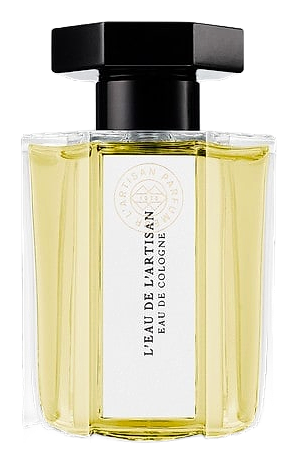
This is a reformulation of a Giacobetti original from 1993. When L'Artisan discontinued the original Eau de Toilette, the house asked Giacobetti to recreate it, not copy it. The 2018 Eau de Cologne is her answer. She kept what made the first one worth returning to: the meadow, the herbs, the sense of morning. What changed is the structure, she built it tighter, gave it more room to breathe as it unfolds. The name says it all. L'Eau de L'Artisan: the water of the artisan. This is what the house smells like when it's being itself.
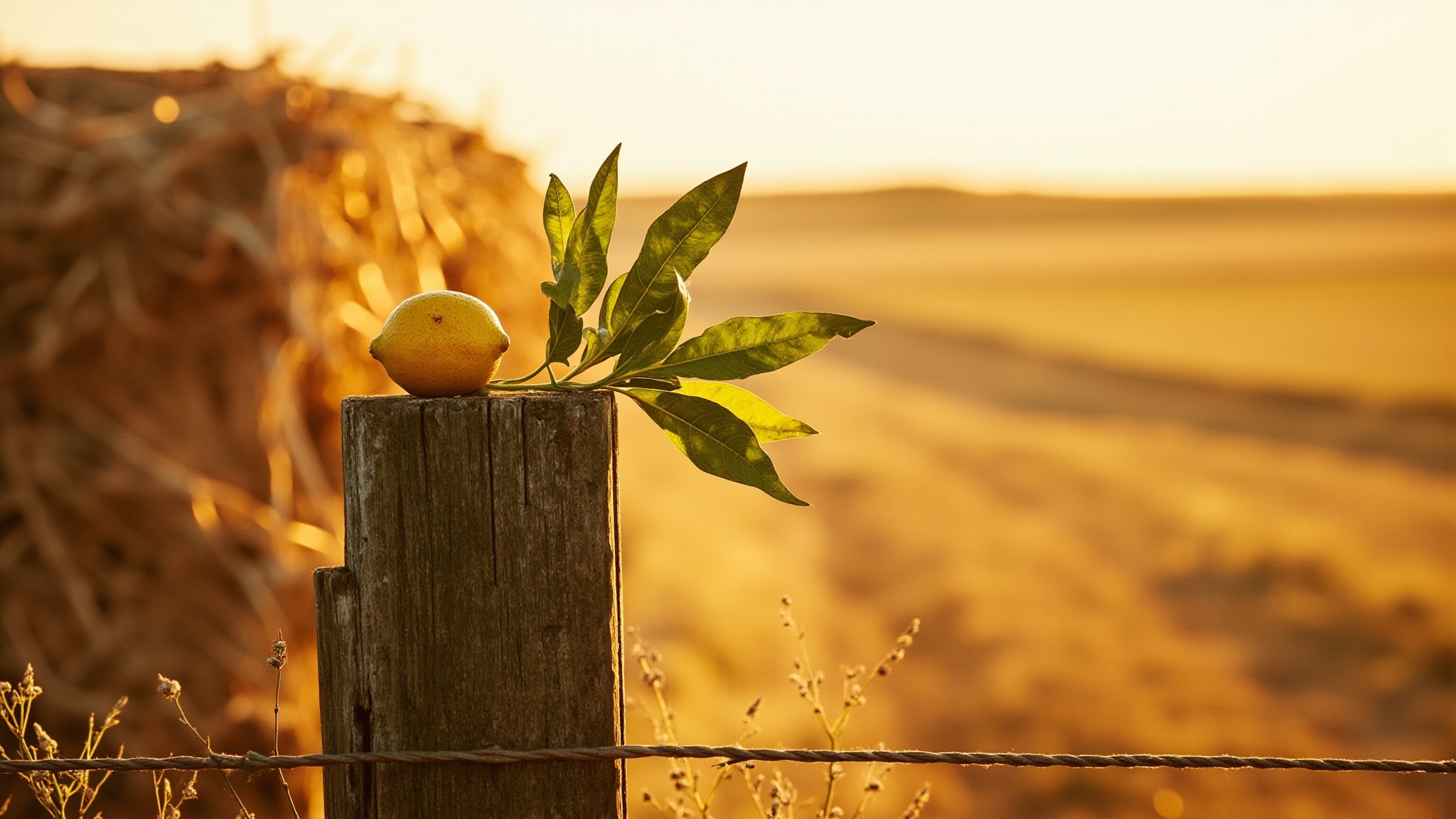
Most colognes lead with citrus and leave quickly. This one doesn't. The hay is the tell, it's not a common material in modern perfumery, and Giacobetti uses it to ground what could've been fleeting. Combined with lemon verbena and basil, the composition stays herbal and green without becoming sharp or medicinal. Oakmoss in the base adds that earthy, slightly mossy quality that connects the citrus opening to something warmer and more grounded. It's the kind of structure that rewards wearing, not just sniffing.
The evolution
The opening announces itself clearly: lemon and verbena, bright and immediate. Thirty minutes in, the basil and mint arrive, the green gets sharper, almost botanical-garden fresh. Then the jasmine and hay start to surface, blending the sharp with the warm. By hour two, the oakmoss takes over. That mossy, earthy quality becomes the dominant impression, clean but deep, like the smell of a garden after rain. The drydown lasts another two to three hours, fading slowly and leaving a quiet herbal trace on the skin.
Cultural impact
This fragrance occupies a particular corner of the niche world: the person who finds standard colognes too predictable but wants to smell refined, not avant-garde. It's not a statement scent. It's a conversation-starter in a different register, the scent of someone who knows there's more to citrus than bergamot and lemon. Giacobetti's reformulation has built a loyal following among enthusiasts who consistently cite its unusual hay and herbal character as what makes it worth wearing.