
The Story
Why it exists.
The beginning
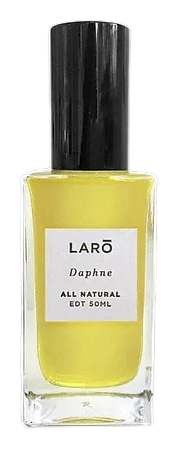
Loreto Remsing found herself drawn to the daphne shrub during late winter, observing how its delicate cluster-blooms push through freezing temperatures to deliver beauty at a season when few other flowers dare. Where most perfumers might reach for established absolutes or aromatic chemicals, Remsing elected to build a fragrance around daphne's lived experience rather than its extract. This became a study in absence and presence: what does it mean to center a flower with no standard perfumery material? The answer involved interpretation through complementary notes, layering citruses for brightness, resins for warmth, and woody elements for structure.
The note philosophy behind Daphne rests on interpretation over extraction. Daphne bloom yields no standard perfumery absolute, which forced Remsing to construct its presence through correlated materials. Resinous notes anchor the composition, providing the waxy, slightly honeyed depth that mirrors daphne's natural character. Citruses amplify the frosty brightness inherent to the flower's late-winter bloom. Woody notes serve as the structural metaphor, evoking the shrub's woodiness even as they provide wearability. This is perfume-making as botanical empathy.
The evolution
The wearer's experience of Daphne begins without ceremony, as if rousing from sleep into a cold morning already in progress. Citruses flash briefly before resinous notes reveal themselves, wrapping the nose in a warm, slightly balsamic embrace. The daphne heart materializes gradually, its green-floral character demanding attention without insisting on it. Woody notes provide the grounding narrative throughout, a quiet constant. By the time three hours have passed, the citrus has softened, resins have settled into a warm baseline, and what remains is the essential daphne-woody conversation, intimate and subdued.
Cultural impact
Since its debut, Daphne has subtly influenced contemporary fragrance trends by reinforcing the appeal of bright citrus‑forward compositions that remain approachable for everyday wear. Its clean, uplifting profile has inspired several indie houses to experiment with similar top‑note structures, while larger brands have noted a consumer shift toward lighter, season‑spanning scents. The perfume’s modest yet confident presence in boutique collections has also encouraged a dialogue about sustainability, as its formulation relies on responsibly sourced citrus extracts, prompting discussions in both marketing circles and consumer forums about eco‑friendly sourcing practices.