
The Story
Why it exists.
The beginning
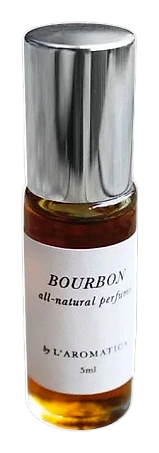
L'Aromatica launched Bourbon (Eau de Toilette) in 2013 under the direction of perfumer Loreto Remsing, creating a fragrance that captures the sensory richness of barrel-aged spirits. The house envisioned a scent that evoked the warmth of sipping bourbon beside a fire, translating that comfort into a wearable form. By omitting a traditional top note, the composition begins with full honesty, letting clove and cedarwood speak immediately rather than hiding behind citrus or bergamot. The result is a fragrance that does not apologize for what it is.
L'Aromatica designed Bourbon (Eau de Toilette) around a philosophy of sensory authenticity. The house selected notes that communicate their character without apology, allowing clove, tobacco, and bourbon vanilla to assert their presence fully. The decision to begin with the heart notes rather than a traditional opening reflects a desire to present the fragrance as an honest experience from the first spray. Pairing tobacco with bourbon vanilla and cognac draws from the natural language of spirit appreciation, where these elements coexist in the glass.
The evolution
The scent opens immediately with clove and cedarwood, their spiciness and warmth arriving fully formed without preamble. Tobacco and bourbon vanilla layer in quickly, adding sweetness and an aromatic edge that deepens the experience. Cognac brings a vinous richness that supports the barrel-aged character, while resinous notes amplify the smoky, warm foundation. As the first hours unfold, the woody and tobacco notes deepen, creating a consistent narrative rather than a series of distinct phases. The fragrance maintains its bold, warm character throughout, evolving gradually but never dramatically. By the end, the heart notes persist without a pronounced drydown transition, leaving a lingering warmth that reflects the original vision of a crackling fire and a glass of bourbon.
Cultural impact
Since its 2013 debut, Bourbon Eau de Toilette has quietly influenced the niche fragrance community by reinforcing the appeal of warm, spice‑forward compositions. Its clove‑centered opening, paired with cedar, pipe tobacco, and a bourbon‑vanilla base, resonated with consumers seeking comfort in aromatic depth, encouraging other houses to explore similar gourmand‑spice hybrids. Over the years, the scent has become a reference point in discussions about gender‑neutral perfumery, illustrating how a well‑balanced blend can bridge masculine and feminine preferences without relying on overtly floral or musky clichés.