The Story
Why it exists.
The beginning
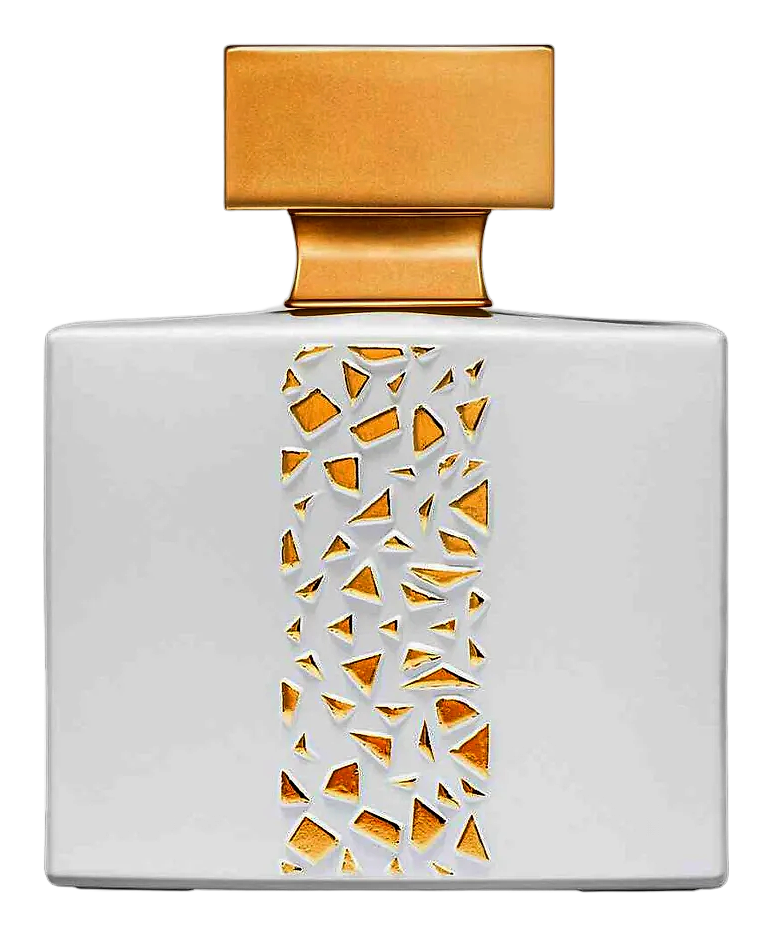
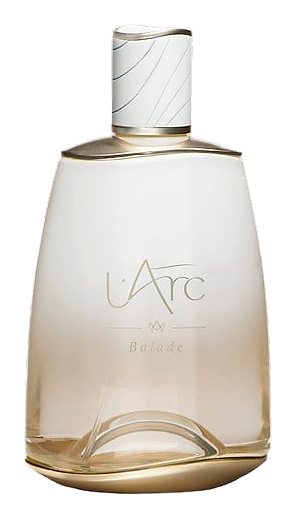
L'Arc began with an 18th-century travel journal owned by a French architect, sketches of routes, notes on regional aromas. The idea: perfumes as portable journeys. Grasse, the world's perfume capital, became home. Balade Tiare de Tahiti was the first release, launched in 2013 by perfumer Jean-Claude Astier.
The tiare flower anchors everything. It grows wild in French Polynesia, intensely sweet, heady, nothing like its cultivated cousin gardenia. Astier didn't want just the scent. He wanted the feeling of standing in a Polynesian garden at dusk, when the air turns thick with blooms. The tiare absolute, harvested by fair-trade cooperatives, brings that authenticity. Blended with gardenia, jasmine, and peony, the heart becomes a lush tropical statement, one that stays close but announces itself with conviction.
The evolution
The opening hits fast: tangerine brightness, honeysuckle sweetness, rose lifting quietly beneath. Within minutes, the florals surge. Tiare and gardenia take over, layered with peony, warm, creamy, tropical. The citrus doesn't vanish. It retreats, waiting beneath the petals. Then the base arrives: sandalwood softening the edges, musk pulling everything inward. By hour three, it's skin. By hour six, it's memory. On fabric, it lingers until the next wash.
Cultural impact
Balade Tiare de Tahiti arrived in 2013 as L'Arc's opening statement, a tropical floral that refused to play it safe. The house positioned itself as the intellectual collector's alternative: someone who reads travel journals before booking flights. The tiare absolute, sourced through fair-trade agreements in French Polynesia, gave the fragrance an ethical anchor that niche buyers noticed. While other houses chased oud or amber, L'Arc went island.