The Story
Why it exists.
The beginning
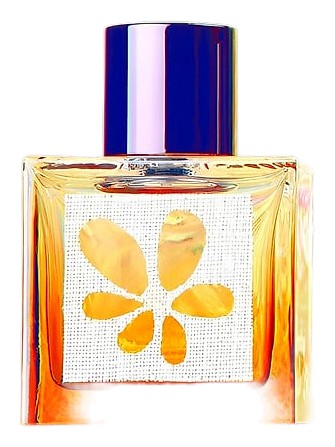
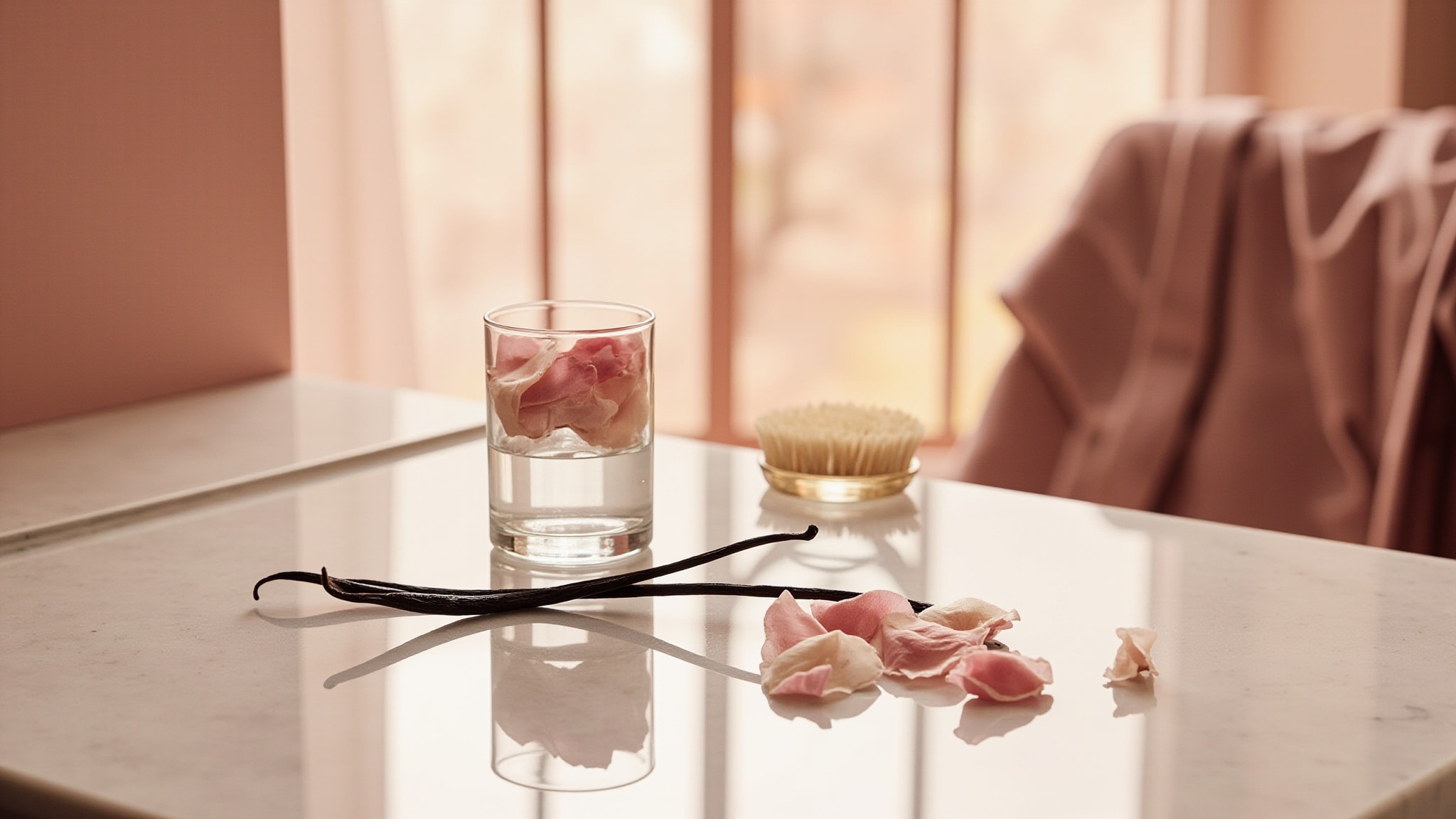
M. Micallef built the Vanille collection around a single obsession: vanilla, explored through four distinct lenses. Leather, oriental, floral, aquatic. Each fragrance takes a different angle on the same material. Vanille Fleur is the floral movement, the one that had to prove vanilla and roses could coexist without tipping into potpourri or confection. The challenge was balancing the richness of vanilla with the delicate nature of rose without allowing either to dominate. The composition needed to feel cohesive rather than fractured, each note supporting the others in a way that felt organic rather than formulaic.
The result is a fragrance that avoids the twin traps of over-complexity and underwhelming simplicity. This is a composition that actually commits to its core notes, with no unnecessary additions cluttering the structure. The interplay between sweet and floral elements creates a scent that feels intentional and focused. There's a clarity here that comes from knowing exactly what you want to say and saying it without embellishment.
The evolution
The opening presents a bright, fruity character that immediately catches attention. The peach note arrives with genuine presence, offering a sweetness that feels natural rather than calculated. This initial burst sets the stage for what follows, creating an inviting introduction that doesn't overwhelm. As the fragrance develops, the rose makes its entrance, softening the fruitiness and adding a layer of floral elegance. The vanilla, present throughout, begins to assert itself more fully as the top notes settle. By the middle stages, the three elements exist in close conversation, each influencing the others in subtle ways. The fruitiness gradually recedes, allowing the floral and creamy aspects to take center stage. The vanilla becomes increasingly prominent as the hours pass, eventually becoming the dominant character.
Cultural impact
Part of M. Micallef's Art Collection Vanille, exploring how a single material can be interpreted through different creative lenses. The floral chapter offers an approach to vanilla that incorporates floral elements, creating something that sits apart from sweeter or more orientally-influenced interpretations in the collection. This particular expression appeals to those who appreciate vanilla but seek it tempered with botanical complexity. The composition positions itself as a thoughtful alternative within the broader vanilla landscape, offering depth and nuance for those who want something beyond straightforward sweet interpretations.