
The Story
Why it exists.
The beginning
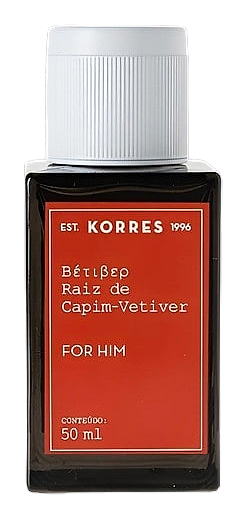
Raiz de Capim-Vetiver translates loosely as "root of vetiver grass." That phrasing matters here, because the name tells you what to expect from the bottle: a fragrance built around a single botanical thread, with very little else crowding the composition. Orange brightens the opening just long enough to establish the air around the roots before cedar steps in to frame the middle. There is no floral detour, no gourmand curveball, no aromatic sprawl. The fragrance commits to a narrow path and walks it. The structure is unusually direct, and that directness becomes the point. You smell the orange, you smell the cedar, and then the vetiver takes over and holds the floor. It's an exercise in letting one ingredient carry the weight without being propped up by a crowd of supporting notes.
The interesting choice is what got left out. Raiz de Capim-Vetiver strips the vetiver presentation down to almost nothing around it. Orange opens briefly, cedar carries the middle alone, and vetiver dominates the drydown without much support beneath it. That structural honesty creates a fragrance that reads closer to a single raw material than a constructed accord. The cedar isn't there to soften the vetiver, it's there to give the orange something to land on before it disappears.
The evolution
The opening belongs to the orange. It's not a candied orange, not a zest oil either, more like the brief sweetness of peeling one in warm air, that fleeting moment when the peel breaks and the juice hits your fingers. Then it fades and the cedar takes over with a dry, pencil-shaving character that feels architectural, almost like the scent of a freshly sharpened wood plank. The vetiver arrives underneath not long after the first spray, and it stays. What surprises is how long the cedar holds its shape, sitting visibly on the skin before it fully recedes, lingering like a wooden frame around the greener root note beneath. By the time the composition settles, it has become almost entirely vetiver: rooty, slightly smoky, earthy without going muddy. The drydown is the longest phase and the most consistent, a long slow fade of green root against warm skin.
Cultural impact
Raiz de Capim-Vetiver sits in an unusual position: a men's fragrance composed so minimally that it almost defies category expectations for vetiver-dominant releases. Where many vetiver fragrances build out a fuller accord around the root, this one stays close to the raw material itself, with cedar as a quiet frame and orange as a brief opening gesture. That stripped-down character gives the fragrance a distinct identity, one that reads closer to a single botanical than to a blended construction.