The Story
Why it exists.
The beginning
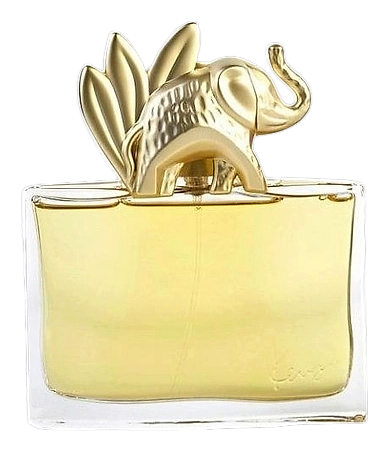
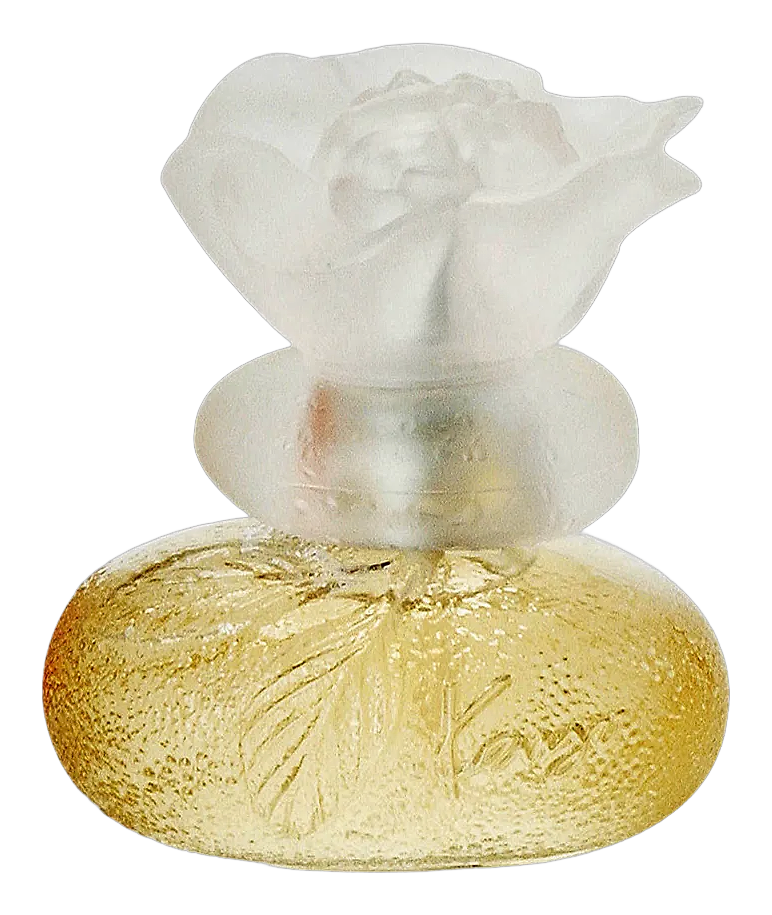
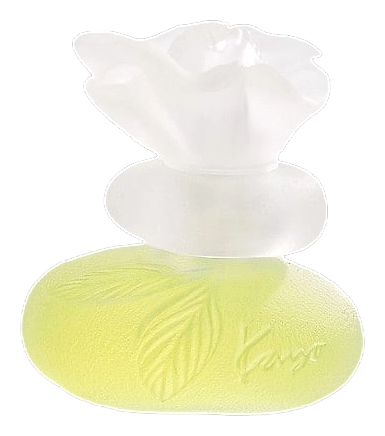
Christine Nagel and Benoist Lapouza created Once Upon a Time in 2010 to mark Kenzo's 40th anniversary. The name itself is an invitation to storytelling. The result is floral-forward but never precious, opening with a bright, translucent burst of magnolia that carries through the composition. Peony adds softness, freesia brings crispness, and rose lends warmth without heaviness. The composition honors Kenzo Takada's Japanese roots through its delicate balance of florals, creating something that feels both fresh and intimate, modern yet grounded in the house's floral obsession.
What makes this composition interesting is its structural honesty. The florals, magnolia, peony, freesia, rose, don't arrive one after another in a predictable sequence. They layer. Magnolia opens, then peony joins, then freesia adds freshness, and rose arrives to anchor everything with warmth. The woody base of sandalwood doesn't arrive at the end to save the fragrance, it was there all along, giving the florals somewhere to stand. Rose carries a slight spice that adds depth without heat.
The evolution
The opening is immediate and bright. Magnolia and peony arrive together, with freesia adding a crispness that reads almost cool. There's no delay, no sharpening period, the fragrance opens already resolved. As time passes, the peony softens and rose begins to emerge, warmer, slightly spiced. The transition is smooth, with the florals gradually shifting their balance rather than making abrupt changes. The woody notes announce themselves slowly, not replacing the florals but settling beneath them. The drydown is where sandalwood, amber, and musk take over, creamy, warm, close to the skin. This is a fragrance that stays within arm's reach rather than filling a room, intimate and composed throughout its wear.
Cultural impact
Released as a limited edition for Kenzo's 40th anniversary in 2010, Once Upon a Time exists at an interesting intersection: celebratory enough to mark an occasion, but composed with enough care to stand alone. This one fits that tradition. It offers something floral without being obvious, woody without being heavy, limited edition without being precious. The scent invites discovery for those who appreciate nuanced compositions that reward attention rather than demanding it.
The House
KenzoKenzo Parfums brings Japanese sensibility to French perfumery, creating fragrances that celebrate nature, youth, and cultural diversity. Founded by Kenzo Takada in 1970, the house blends meticulous Japanese craftsmanship with Parisian creative freedom, producing scents that feel fresh, optimistic, and unmistakably alive. Flower by Kenzo remains their iconic creation, a fragrance that literally invented the scent of a flower that has none.
The Creator
Christine NagelNagel occupies a distinctive space in contemporary perfumery, favoring sensual, textured compositions over the clean minimalism that dominated for decades. Her fragrances often feature unexpected contrasts: mineral and floral, salty and sweet, cool and warm.