The Story
Why it exists.
The beginning
Flower Tag emerged in 2011 as Olivier Cresp's answer to the house's iconic Flower by Kenzo. Rather than revisiting the poppy-forward original, Cresp built something that echoed the energy of street art. The naming itself plays on tagging, each spray a fresh mark on the olfactory wall. Kenzo's founding ethos of blending Japanese precision with Parisian freedom finds expression here in a composition that takes familiar floral elements and reframes them through a distinctly urban lens. The brand's love for youthful rebellion and cultural cross-pollination drives the entire concept.
The note philosophy here centers on contrast. Tart fruits and sweet florals should clash, yet the composition finds harmony through careful proportioning. Gardenia brings creamy warmth while rhubarb supplies green acidity. Praline in the drydown creates a bridge between the fruity opening and the sweet finish, preventing jarring transitions. Patchouli serves as the grounding element that keeps everything from floating away into pure sweetness. This deliberate layering reflects the brand's broader approach to blending disparate cultural influences into something cohesive.
The evolution
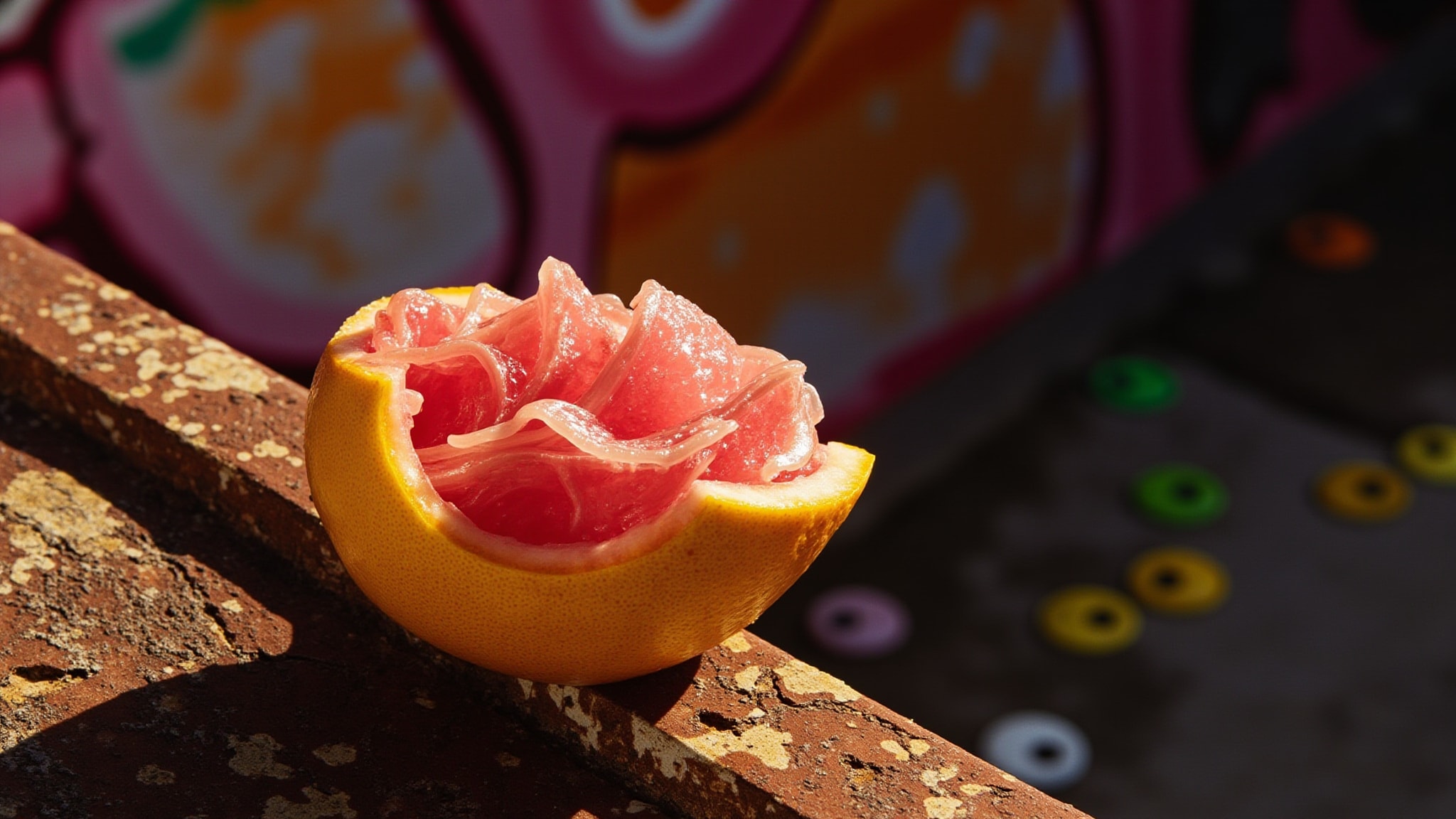
The fragrance opens with rhubarb and blackcurrant creating a tart, almost electric impression on skin. Grapefruit lifts the ensemble with clean citrus brightness that feels like a declaration. As the composition moves into its heart phase, gardenia and peony soften the tart edges into something more romantic and familiar. Jasmine adds depth with a subtle warmth that anchors the florals before they become too delicate. The drydown introduces praline and musk as the primary warmth elements, with vanilla lending sweetness and patchouli providing an earthy counterweight. The entire arc moves from energetic to romantic to comforting, each transition feeling intentional rather than accidental.
Cultural impact
Since its 2011 debut, Flower Tag has become a go‑to scent for the spontaneous, art‑loving crowd. Its graffiti‑inspired bottle and bold rhubarb opening set it apart from traditional florals, earning it a spot in street‑style playlists and casual‑day wardrobes. Wearers often cite the fragrance as a reminder that perfume can be playful rebellion, not just polished elegance.