
The Story
Why it exists.
The beginning
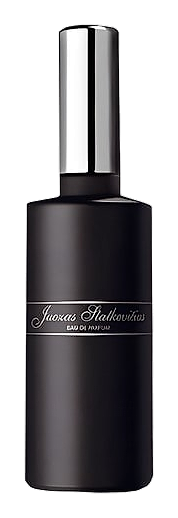
Lithuanian fashion designer Juozas Statkevičius (born Josef Statkus) commissioned his eponymous fragrance in 2004, working with French perfumer Fabrice Pellegrin. Rather than building a commercial fragrance line, Statkevičius approached scent as an extension of his fashion philosophy, singular, considered, unapologetically his own. The decision to work with Pellegrin, whose portfolio included work for Hermès and Diptyque, reflected a commitment to a single artistic statement rather than an expansive portfolio. One fragrance. One vision. One collaboration.
The structure Fabrice Pellegrin built here rewards attention. Coriander and jasmine open, clean, almost brisk. But incense arrives within the hour and doesn't ask permission. What makes the base unusual is how the sweet and resinous elements reinforce rather than compete: vanilla amplifies the benzoin, both of which lift the frankincense rather than bury it. Patchouli keeps everything honest at the drydown, grounding the warmth in something dry and slightly dirty. Cashmere wood is the quiet luxury, present without being seen, felt without being named.
The evolution
The opening is coriander and jasmine, bright, aromatic, with jasmine threading through the entire composition like a voice that never quite disappears. Then frankincense arrives. Not gradually. It takes over. The warm amber base of vanilla and benzoin builds underneath, but incense becomes the conversation for the next three to four hours. As it settles, everything compresses into something close and soft. Vanilla and cashmere. Patchouli that stays near the skin. The drydown reads as warmth itself, intimate, certain, the kind of presence that outlasts the evening and still there when you wake up.
Cultural impact
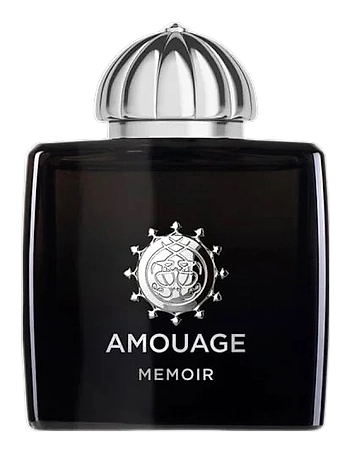
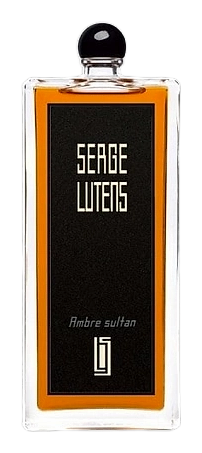
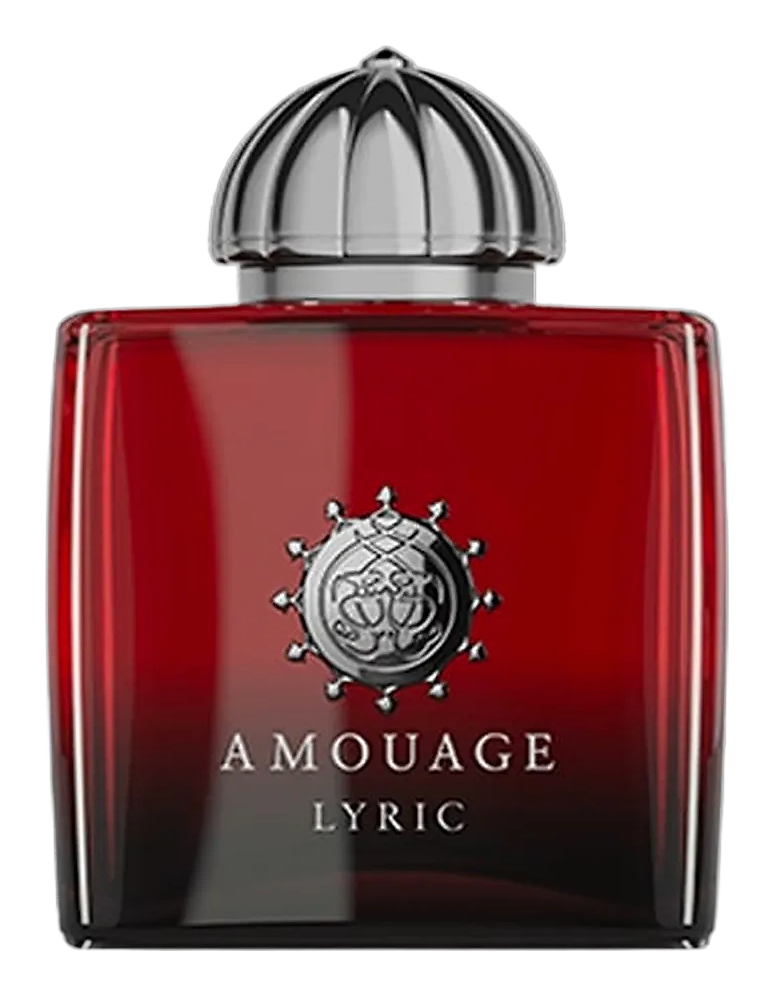
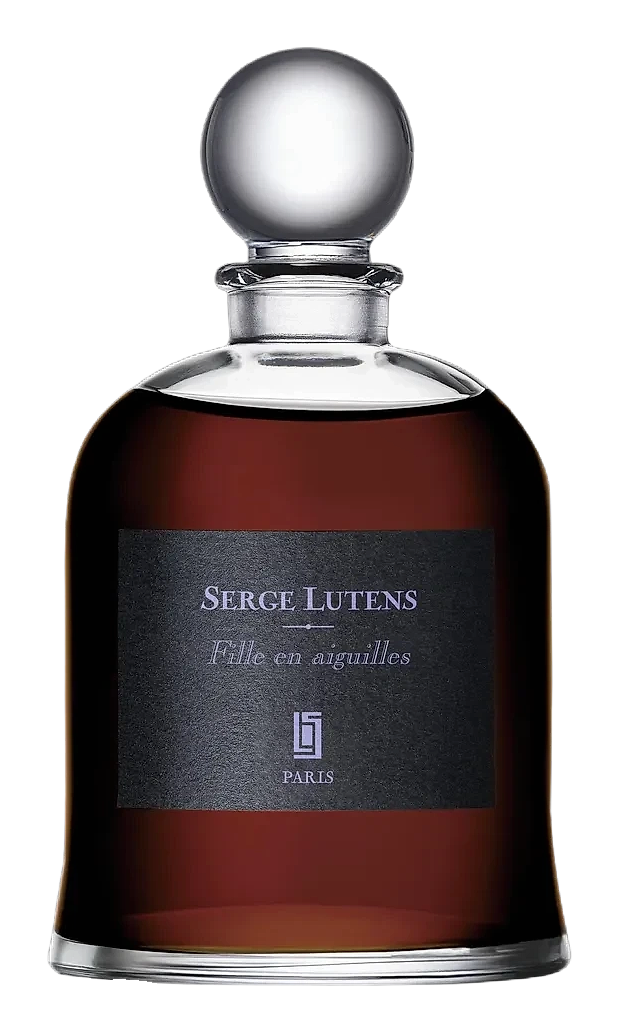
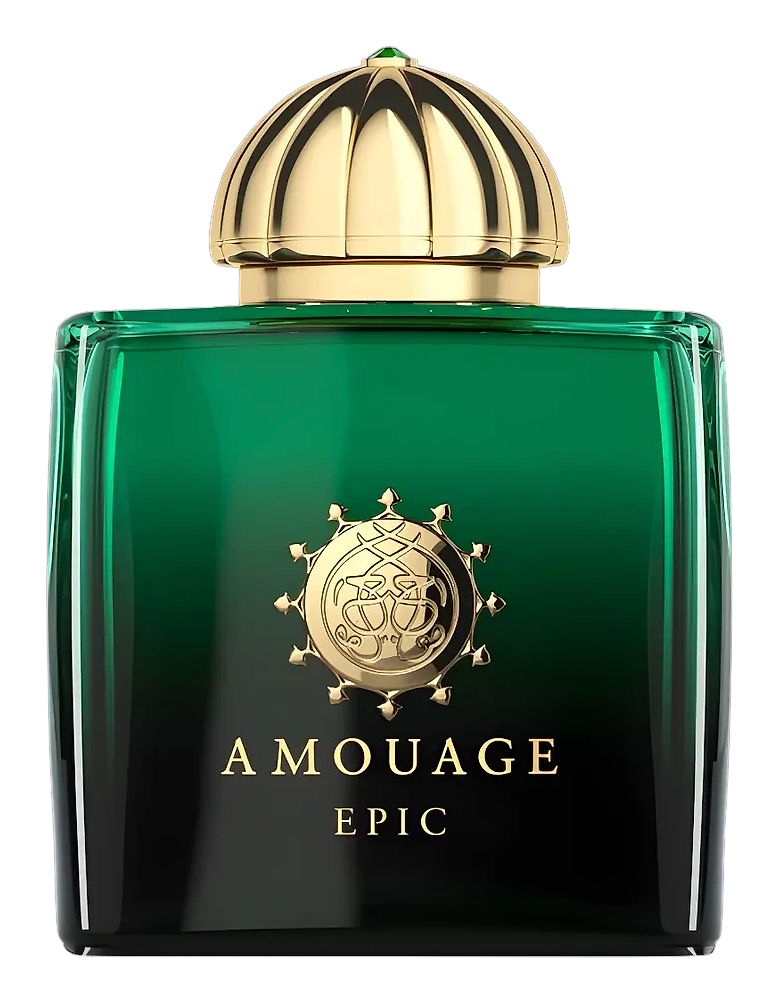
Wearers describe it as the scent of someone who walks into a room and doesn't need to announce themselves. It occupies a specific space in the niche amber-incense category, resinous and warm like Amouage Epic or Serge Lutens Ambre Sultan, but more intimate than those heavier statements. One reviewer called it 'the ultimate unisex fragrance.' Another noted it feels more organic than the CDG Incense Series, with a vanilla-pine drydown that lingers long after others have faded.
The House
Juozas Statkevicius Josef StatkusJuozas Statkevičius, born Josef Statkus, is a Lithuanian fashion designer based in Vilnius who expanded his creative practice into fragrance in 2004 with the launch of his eponymous Eau de Parfum. Commissioned by the designer and created in collaboration with acclaimed French perfumer Fabrice Pellegrin, the scent represents a singular artistic statement rather than an expansive fragrance line. The perfume is classified as a gourmand fougere, distinguished by notes of caramel and coffee anchored against green vetiver, with reviewers noting an unusual resinous quality that sets it apart from conventional fragrance families. The fragrance eventually reached international markets beyond Lithuania, introducing the designer's aesthetic to a broader audience. Despite his prominence in Lithuanian fashion, Statkevičius chose restraint in his fragrance offerings, releasing only this single signature scent, which remains the sole fragrance attributed to his name in fragrance encyclopedias.
The Creator
Fabrice PellegrinPellegrin's style often leans towards a bright, fresh feel, frequently incorporating citrus notes and clean musks. He's known for his skill in creating light and airy fragrances, yet with surprising depth and longevity.