
The Story
Why it exists.
The beginning
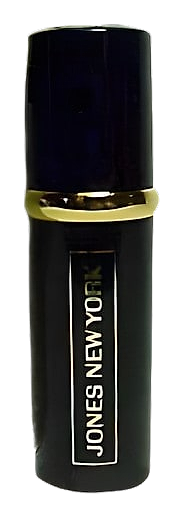
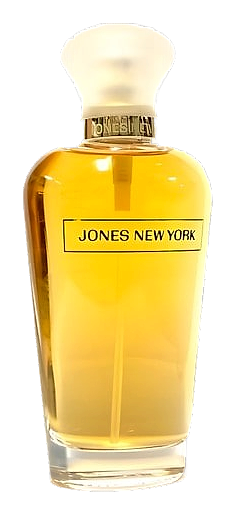
Jones New York wasn't chasing fragrance fame in 1996 when it released its debut scent. The brand had already earned recognition in fashion, and the EDP extended that presence into a new category. Givaudan composed the formula. The aim appears to have been straightforward, capturing a clean, polished sensibility in wearable form. The juice opens with a bright citrus accord where bergamot, lime, and mandarin orange set an immediately fresh tone, crisp and lightly zested rather than sharp. A floral heart follows, jasmine and rose laying down a soft petal arrangement, lifted by ylang-ylang's banana-skin sweetness and grounded by the syrupy, almost jammy quality of peach and plum.
What makes Jones New York worth a second look is its restraint. Lime and bergamot provide a clean entrance, mandarin orange adds a touch of sweetness, then white rose and jasmine settle over sandalwood and amber. There's ylang-ylang lending exotic warmth, peach and plum offering soft fruitiness, and cypress introducing just enough green to keep things grounded. It reads as a classical floral structure, but the proportions matter. The citrus stays present longer than you'd expect, and the woody base never overpowers. A fragrance that lets its components coexist rather than compete.
The evolution
The opening belongs to the citrus. Lime and bergamot arrive bright, almost sharp enough to cut through morning air, with mandarin orange softening the edges. That brightness doesn't fade fast, it just gradually warms as white jasmine and rose step forward through the middle stage. Ylang-ylang adds an almost tropical fullness while peach and plum lend a syrupy sweetness underneath. The composition settles into its middle register with sandalwood and amber carrying a creamy, slightly powdery softness, while cypress keeps a faint green thread alive throughout the drydown. Musk arrives quietly at the base, grounding everything into skin-warm closeness. The sandalwood-amber accord lingers longest, soft and close, the kind of finish that surfaces on a scarf the next morning.
Cultural impact
The 1996 release fits comfortably within the floral category that shaped the mid-90s fragrance landscape. Its citrus-floral structure and creamy sandalwood base align with a moment when American perfumery was leaning toward accessible, wearable compositions rather than heavier orientals or sharper chypres. What distinguishes this EDP is its restraint. The notes that lead, bergamot, jasmine, rose, sandalwood, amber, are all familiar, all comfortable, but the assembly gives them a quiet authority. It doesn't try to fill a room; it tries to be worth noticing up close.