



Heritage
A house, in its own words
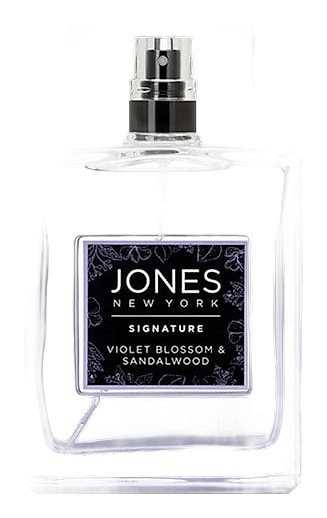
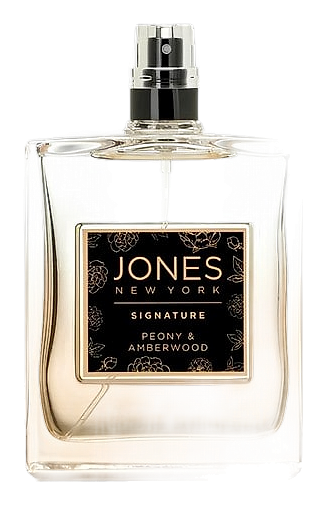
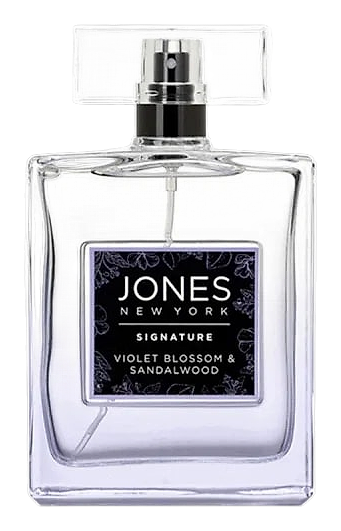
Jones New York emerged as a prominent American fashion label, building its identity around contemporary professional and casual wear targeted at women seeking polished everyday style. The brand's expansion into fragrance began in 1996 with the release of Jones New York Eau de Parfum and the richer Jones New York Parfum concentration, establishing an initial olfactory identity for the label. While the brand has been best known as a fashion house, its fragrance arm operated as a more modest component of the broader Jones New York universe, creating scents that aligned with the accessible, career-oriented image projected by the clothing line. The 1996 fragrance releases established the foundational Jones New York scent character, though the specific perfumers behind these original formulations have not been widely documented in available sources. Following the initial fragrance launches, Jones New York appears to have maintained a relatively quiet presence in the fragrance market for roughly two decades before a significant expansion effort materialized. The return to fragrance in 2020 marked a deliberate pivot toward the Signature collection strategy, releasing multiple coordinated scents simultaneously rather than as isolated launches. This approach allowed the brand to address different scent preferences within a unified creative framework, potentially broadening its appeal among fragrance consumers seeking variety within a familiar brand. The Jones New York approach to fragrance centers on offering wearable, coherent scent experiences that align with a lifestyle rather than demanding a dramatic shift in personal expression. Rather than pursuing avant-garde compositions or highly conceptual fragrance narratives, the brand has consistently favored scents that integrate smoothly into daily routines, professional environments, and social occasions. The Signature collection philosophy reflects this orientation, creating four distinct fragrance directions that share structural DNA but diverge in emotional tone. A customer drawn to the floral softness of Peony & Amberwood might explore the deeper Gardenia & Oud variant as a natural evolution, while Rose & Musk and Violet Blossom & Sandalwood provide alternative pathways through the same family of ingredients. This interconnected approach suggests a philosophy of accessibility and exploration, encouraging fragrance consumers to build a small wardrobe of Jones New York scents rather than committing to a single signature. The brand's fashion heritage informs this approach, treating fragrance as an extension of personal style that can be mixed, matched, and rotated according to mood and circumstance. Rather than positioning any single Jones New York fragrance as a definitive statement, the philosophy supports a more fluid relationship between wearer and scent.