The Story
Why it exists.
The beginning
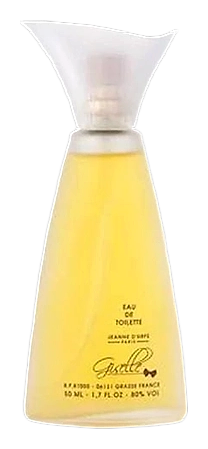
Jeanne d'Urfé arrived in 2015 with a clear point of view: fragrances as diary entries rather than commercial declarations. Giselle, released in 2017 during the house's second year, continued this narrative approach, presenting the perfume as a chapter in an ongoing story. The Paris laboratory framed it as a portrait of graceful elegance, using the opening notes of blackcurrant and bergamot to establish tone and the floral heart to develop character. The clear glass presentation reinforces the brand's commitment to transparency, both literally and thematically. This is perfume as memoir, not spectacle.
The note selection reflects careful consideration of balance and wearability. Blackcurrant and bergamot create an opening that is bright but not aggressive. Jasmine and peach form the heart with romantic softness. The base of sandalwood, vanilla, and musk provides warmth that extends the fragrance without overwhelming. This structure makes Giselle versatile across occasions, from casual daytime wear to Intimate evening settings. The combination rewards close attention rather than demanding space, fitting the brand's philosophy of quiet craftsmanship over loud performance.
The evolution
The Giselle chapter unfolds across three movements, each named for its dominant notes. The opening of blackcurrant and bergamot establishes immediate brightness, a tart-sweet spark that declares presence without aggression. The heart introduces jasmine, the classic floral, softened by peach to create something tender and approachable. Finally, the drydown brings sandalwood, vanilla, and musk tog ether, wrapping the wearer in warmth and subtle intimacy. This arc mirrors the narrative arc of its name sake: beginning with confident grace, developing into something tender, and ending in quiet presence.
Cultural impact
Wearers often describe Giselle as the bridge between day‑time freshness and evening sensuality, a scent that earns quiet compliments in both office corridors and dinner parties. Its powdery‑fruit blend has earned a modest cult following among collectors who value Jeanne d'Urfé’s narrative‑driven, low‑flash aesthetic.