






    Brand Profile

    Jeanne d'Urfé is a Paris‑based niche perfume house that positions itself as a laboratory for scent stories. Since its debut in 2015 the labe…More

    France·Est. 2015·Site

    3.5

    Rating

    13
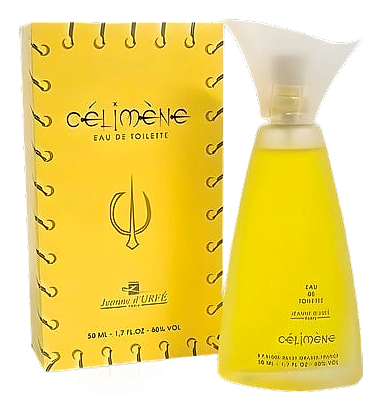
    Célimène by Jeanne d'Urfé
    Best Seller
    4.3

    Célimène

    Deep Sea by Jeanne d'Urfé
    Best Seller
    4.2

    Deep Sea

    Cassius by Jeanne d'Urfé
    Best Seller
    4.0

    Cassius

    Silver Man by Jeanne d'Urfé
    4.0

    Silver Man

    Amazing Grace by Jeanne d'Urfé
    3.5

    Amazing Grace

    Garance by Jeanne d'Urfé
    3.5

    Garance

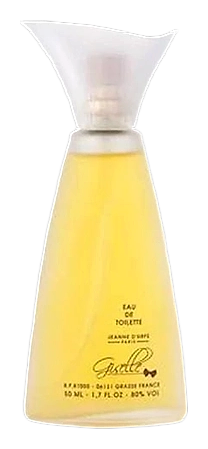
    Giselle by Jeanne d'Urfé
    3.5

    Giselle

    Sardane by Jeanne d'Urfé

    Sardane

    Balladine by Jeanne d'Urfé

    Balladine

    Tangerine Dream by Jeanne d'Urfé

    Tangerine Dream

    Juan Carlos by Jeanne d'Urfé

    Juan Carlos

    Hivana Dream by Jeanne d'Urfé

    Hivana Dream

    1 of 2

    The Heritage

    The Story of Jeanne d'Urfé

    Jeanne d'Urfé is a Paris‑based niche perfume house that positions itself as a laboratory for scent stories. Since its debut in 2015 the label has released a compact catalogue that reads like a diary of moments – from the marine clarity of Deep Sea to the sun‑kissed optimism of Tangerine Dream. Each fragrance is presented in a clear glass vial, the label a simple serif that lets the scent speak for itself. The brand appeals to collectors who value quiet craftsmanship over flash, and it has built a modest following among connoisseurs who appreciate a narrative‑driven approach to fragrance.

    Heritage

    The house takes its name from Jeanne d'Urfé, a 16th‑century French noblewoman famed for her experiments with alchemy and herbal remedies. The founders, a small collective of fragrance enthusiasts led by Catherine d'Urfé (reportedly a former chemist turned perfumer), chose the moniker to signal a blend of history and curiosity. The brand launched publicly in Paris in the spring of 2015 with a single scent, Célimène, a floral‑green composition that referenced the heroine of Molière’s play. Early press coverage in French lifestyle magazines highlighted the label’s commitment to limited‑batch production and its refusal to follow seasonal trends. By 2017 the house expanded its line to include eight new fragrances, each named after a distinct mood or narrative thread – Deep Sea, Cassius, Silver Man, Amazing Grace, Garance, Hivana Dream, Giselle, Balladine, and Tangerine Dream. The rapid growth was accompanied by a modest studio in the 9th arrondissement, where the team experiments with both natural extracts and modern aroma chemicals. In 2018 Jeanne d'Urfé partnered with a family‑run glassworks in Murano to develop a bespoke bottle shape that would become a visual signature. The following year the brand opened a small boutique on Rue du Faubourg Saint‑Honoré, offering customers a tactile experience of the scents alongside curated literature on perfume history. 2020 marked a pivot toward sustainability: the house began sourcing ambergris alternatives from certified marine farms and introduced recycled glass for its packaging. In 2022 Jeanne d'Urfé entered the United States market through a curated selection of specialty retailers in New York and Los Angeles, maintaining the same limited‑edition release schedule. Throughout its first decade the label has remained independent, avoiding acquisition offers and preserving a hands‑on approach to every stage of creation.

    Craftsmanship

    Production takes place in a modest atelier that blends traditional French perfumery techniques with contemporary lab equipment. Raw materials arrive from a network of vetted growers in Grasse, Madagascar, and the Indian subcontinent; each batch is tested for purity before entering the mixing room. The house favors a semi‑manual approach: master perfumers weigh ingredients on precision scales, then hand‑stir the mixtures in temperature‑controlled vats to ensure even integration of volatile and base notes. After maceration, which can last from two weeks to three months depending on the composition, the perfume is filtered through stainless‑steel membranes to remove particulate matter. Quality control includes blind olfactory panels composed of senior perfumers and trained scent judges who assess balance, projection, and longevity. Bottles are hand‑blown in Murano, then hand‑finished in Paris where each cap is fitted and the label applied by a single artisan. The brand sources ambergris alternatives from the sustainable marine farm in the Philippines, and it works with a French cooperative that harvests sustainably farmed sandalwood. All packaging materials are either recyclable or made from post‑consumer recycled content. The limited‑batch model means each release is capped at 2,000 units, a figure that allows the team to monitor every step from raw material receipt to final sealing.

    Design Language

    Visually, Jeanne d'Urfé embraces a restrained elegance that mirrors its olfactory philosophy. Bottles are clear, cylindrical vessels with a subtle curvature, allowing the perfume’s natural hue to become the focal point. The caps are brushed aluminum, engraved with the brand’s monogram – a stylized "J" intersected by a subtle alchemical symbol. Labels are printed on matte ivory paper, using a classic serif typeface that evokes 18th‑century French publishing. The color palette across the line is muted: soft greens for Célimène, deep blues for Deep Sea, warm amber for Garance, and bright orange for Tangerine Dream. In retail spaces the brand opts for minimal décor – reclaimed wood tables, soft ambient lighting, and shelves of raw botanical specimens that inspired the scents. Marketing imagery often features black‑and‑white portraits of historical figures or close‑up shots of the raw ingredients, reinforcing the narrative‑driven approach. The overall image is one of quiet discovery, inviting the viewer to pause and consider the story behind each scent.

    Philosophy

    Jeanne d'Urfé frames fragrance as a narrative device rather than a decorative accessory. The brand’s creative brief asks each perfumer to translate a specific story, emotion, or historical reference into olfactory form, a practice that echoes the alchemical curiosity of its namesake. The house values transparency; ingredient lists are published on the product page, and the sourcing origins of key raw materials are disclosed whenever possible. Sustainability is woven into the creative process – the team prefers renewable aroma chemicals and works with suppliers who can certify ethical harvesting of botanicals. Rather than chasing trends, Jeanne d'Urfé seeks moments that feel timeless, believing that a scent should evolve with the wearer’s memory. The brand also encourages a personal connection by offering limited‑edition refill kits, allowing collectors to keep a fragrance alive without discarding the original bottle. Community engagement takes the form of intimate scent workshops held in the Paris studio, where participants learn about the chemistry of perfume and the storytelling intent behind each launch.

    Key Milestones

    2015

    Launch of Jeanne d'Urfé in Paris with the debut fragrance Célimène

    2017

    Release of eight new fragrances, expanding the line to include Deep Sea, Cassius, Silver Man, Amazing Grace, Garance, Hivana Dream, Giselle, Balladine, and Tangerine Dream

    2018

    Collaboration with Murano glassmakers to create a signature bottle shape

    2020

    Introduction of sustainable sourcing practices, including ambergris alternatives and recycled glass packaging

    2022

    Entry into the United States market through select specialty retailers

    2024

    Opening of a permanent boutique on Rue du Faubourg Saint‑Honoré, offering workshops and refill programs

    At a Glance

    Brand profile snapshot

    Origin

    France

    Founded

    2015

    Heritage

    11

    Years active

    Collection

    1

    Fragrances released

    Avg Rating

    3.5

    Community sentiment

    jeannedurfe.com

    Did You Know?

    Interesting Facts

    Distinctive details and defining moments that shape the house personality.

    01

    The brand’s name honors a 16th‑century French noblewoman who wrote an unpublished treatise on alchemy and herbal medicine.

    02

    Each fragrance is limited to 2,000 bottles, and the remaining stock is destroyed to preserve exclusivity.

    03

    Jeanne d'Urfé uses a marine‑farmed ambergris substitute that mimics the scent profile of natural ambergris without animal impact.

    04

    The bottle design was inspired by a 19th‑century laboratory flask, reflecting the brand’s alchemical theme.