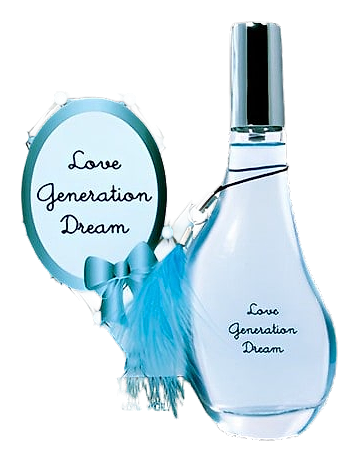

The Story
Why it exists.
The beginning
The name says everything. Dream, not the dramatic kind, not a fantasy or an escape. The small, daily kind. The version of hope that fits into a Tuesday morning. Jeanne Arthes built Love Generation Dream around that idea: a fragrance that smells like the possibility of a good day, before the day has done anything to earn it. The house has never chased complexity for its own sake. What it chases is feeling, and Love Generation Dream captures something about optimism that feels uncomplicated and warm. The sweetness here isn't heavy or insistent. The powdery florals that make up its heart arrive gently, settling into the skin rather than announcing themselves. They are warm. They are good.
What makes this composition interesting isn't any single material, it's the conversation between the top and the heart. The opening is fruity and bright: blood orange gives it a sharp, citrus bite while pear adds something clean and slightly green. The surprise is what happens next. Instead of the sweetness deepening into something heavier, orange blossom and honey arrive and stay on the right side of warm. Mock orange, often called philadelphus, is the quiet ingredient.
The evolution
The opening arrives quickly, blood orange and pear together, a bright citrus-fruit burst that feels clean and immediate. There's no slow build here; the top notes announce themselves and then quietly step aside. The jasmine starts to surface, adding a green undertone that stops the sweetness from feeling frivolous. The heart is where Love Generation Dream earns its name. Orange blossom and honey arrive together, creamy, warm, almost soft, and mock orange threads through, giving the floral layer a vintage quality that contrasts with the modern fruit opening. This phase lasts a long time, holding steady at something powdery and gentle before the handoff begins. The florals recede gradually, and what's left is the base. Woody notes and vanilla settle close to the skin, warm without weight.
Cultural impact
Love Generation Dream doesn't compete with the bold statement fragrances of its era. It's not trying to fill a room or start a conversation across it. Instead, it occupies a quieter space. It wears close to the skin, stays present without being intrusive, and avoids anything that might require explanation. The fragrance arrives beside you rather than ahead of you. There's something confident about that restraint, about a scent that doesn't feel the need to prove itself. It exists for the person wearing it as much as for anyone who might catch a trace in passing.